María Camila Potosí Case Exposes Gender Violence in Cali
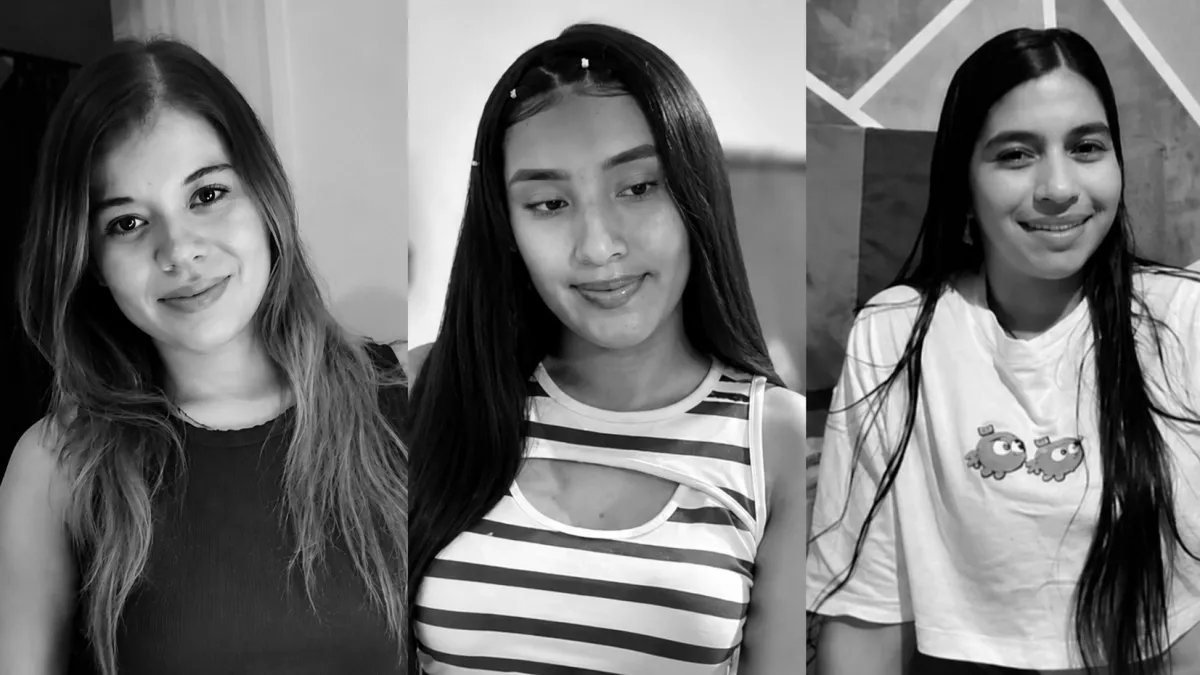
The case of María Camila Potosí, eight months in the making, has become a significant wound in Cali society, highlighting the pervasive issue of gender violence. Renowned psychologist and writer Gloria Hurtado spoke with EL TIEMPO about the broader landscape of gender-based violence within the city. Her insights shed light on the systemic issues and societal factors contributing to this ongoing problem. The prolonged nature of the Potosí case underscores the deep-seated challenges in addressing violence against women. Hurtado's commentary aims to foster a deeper understanding of the complexities involved. The discussion emphasizes the need for societal introspection and action to combat gender-based violence effectively. This situation serves as a stark reminder of the urgent need for change and improved support systems for victims.
The case of María Camila Potosí serves as a critical juncture for examining the efficacy of societal structures and legal frameworks designed to protect women from gender-based violence. The prolonged nature of this case suggests potential systemic delays or inadequacies in intervention and resolution processes. Analyzing the underlying incentive structures for perpetrators and the support mechanisms available to victims is crucial. Moving forward, a focus on preventative education, robust legal recourse, and community-based support networks will be essential to foster a safer environment. The next decade's advancements in AI could offer new avenues for data analysis to identify patterns of violence and improve response times, while also raising ethical considerations regarding surveillance and privacy.
AI-generated to prompt reflection — not editorial opinion, not advice, not a statement of fact. How this works.
