Marília, Brazil: The City Where the Scent of Biscuits Defines Its Identity
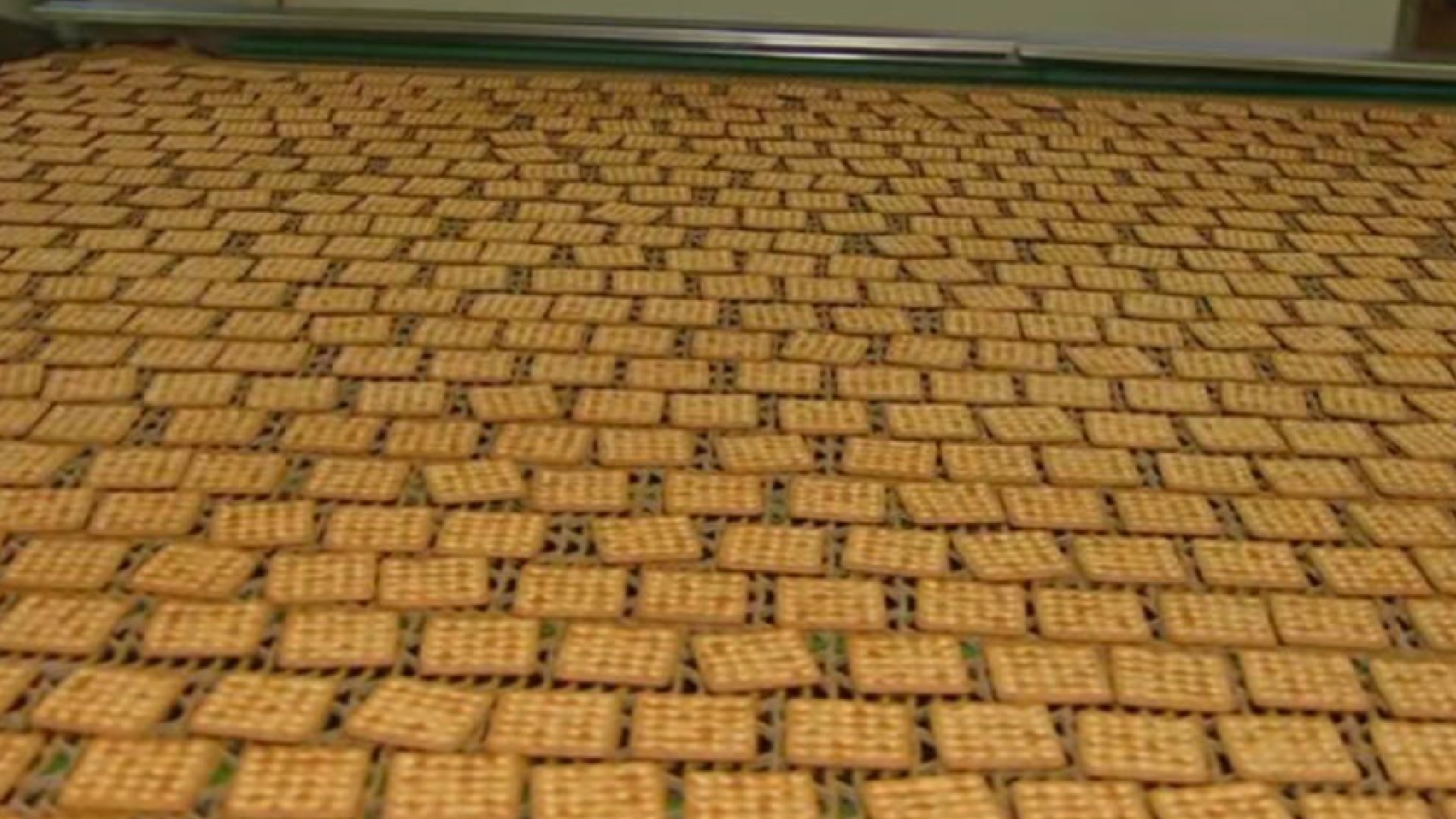
The Brazilian city of Marília, located in São Paulo state, is famously known as the 'National Food Capital' partly due to a pervasive sweet and buttery aroma emanating from its numerous biscuit factories. This distinctive scent has become a signature of the city, deeply ingrained in the daily lives of its residents and visitors. One major factory alone produces over 1 million packages of biscuits daily, totaling approximately 432 million units annually. The production process, from dough preparation to baking in industrial ovens, releases the characteristic aroma through factory chimneys, blanketing the city streets. This olfactory experience triggers nostalgic memories of childhood and family gatherings for many.
Residents report being able to discern different biscuit flavors based on the scent, noting sweeter notes in the morning and more savory, buttery ones in the afternoon. The city's food industry, particularly biscuit manufacturing, has a significant reach, supplying products across Brazil and exporting to over 30 countries, including Mozambique. To cater to diverse international markets, manufacturers like Rodrigo Garla, director-president of a major industry, adjust recipes to meet local tastes and regulatory requirements. The term 'biscoito' itself originates from the Latin 'bis coctus,' meaning 'twice cooked,' reflecting an ancient baking method believed to have roots in early civilizations and ancient Egypt and Persia, where such baked goods were used as offerings.
The pervasive aroma of biscuit production in Marília highlights the powerful symbiosis between industrial activity and urban identity. This olfactory signature not only serves as a unique marketing asset, fostering local pride and a distinctive sense of place, but also demonstrates how a region can leverage a specific industry to achieve national and international recognition. The economic implications are substantial, with production volumes reaching hundreds of millions of units annually and export markets extending globally. The analysis of recipe adaptation for different countries underscores the complexities of globalized food production, balancing tradition with market demands and regulatory compliance. This case offers a model for other regions to explore how specialized industries can shape cultural identity and drive economic development, while also prompting consideration of the long-term environmental and public health implications of large-scale food manufacturing within urban centers.
AI-generated to prompt reflection — not editorial opinion, not advice, not a statement of fact. How this works.