Marília Mendonça Biopic: Songwriter Juliano Tchula Refuses Image Use
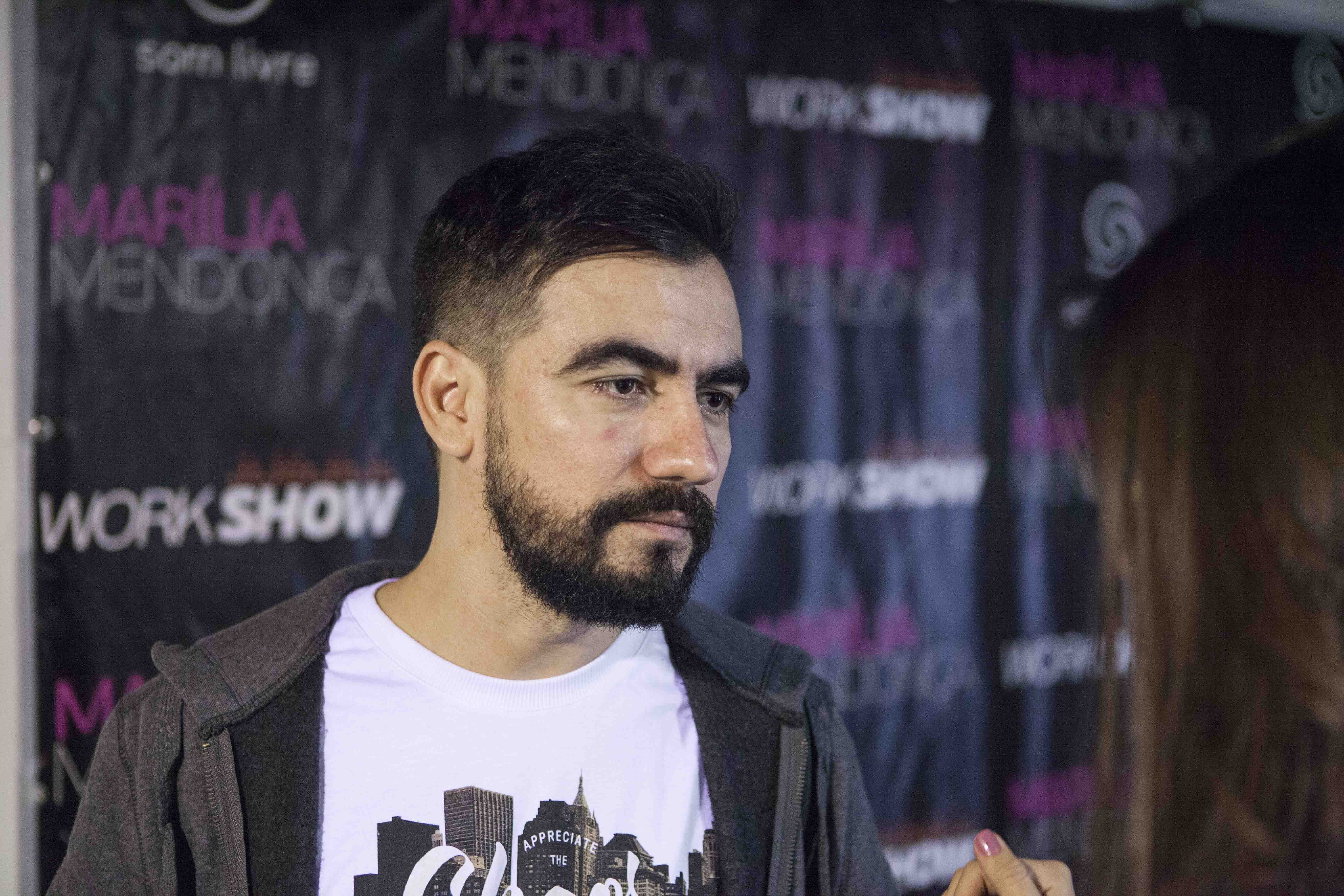
Juliano Tchula, a primary songwriting collaborator of the late Brazilian singer Marília Mendonça, has publicly stated his objection to the use of his image in an upcoming biopic about her life. Tchula, who has largely remained silent since Mendonça's death in 2021, released a video on social media to address the film production. He clarified that while he does not care about the film's script or how he might be portrayed, he unequivocally does not want his likeness to be used. This statement follows an announcement by his wife, Flavi Soares, that their lawyers had been in contact with the production team for months regarding this matter. Soares expressed frustration that the production persisted despite Tchula's clear wishes, noting his aversion to social media and his desire to focus on his present life and faith. Tchula explained that he had previously instructed his lawyers to notify the production about his unwillingness to participate, a request that he claims was initially ignored. He emphasized that his current focus is on his spiritual life and family, and he is not seeking any financial compensation from the film, as he no longer receives royalties. The songwriter felt compelled to speak out due to online discussions and attacks on his wife, asserting that she speaks on his behalf. He reiterated his right to privacy and his desire to live a peaceful life away from public scrutiny.
The situation highlights the complex intersection of artistic legacy, intellectual property rights, and personal privacy. While film productions aim to capture the essence of an artist's life, including their collaborators, this case underscores the potential for conflict when individuals, like Juliano Tchula, wish to disassociate from their past or control their public image. Tchula's stance, driven by a desire for personal peace and a focus on his current faith, presents a challenge to narrative completeness in a biopic. Producers must navigate legal frameworks surrounding image rights and consent, balancing the desire for an authentic portrayal against an individual's right to control their likeness. This scenario prompts consideration of how biographical works can be created responsibly, respecting the evolving wishes and boundaries of individuals involved, particularly in the context of posthumous projects.
AI-generated to prompt reflection — not editorial opinion, not advice, not a statement of fact. How this works.