Maradona Death Trial: Psychologist Testifies on Family's Distrust
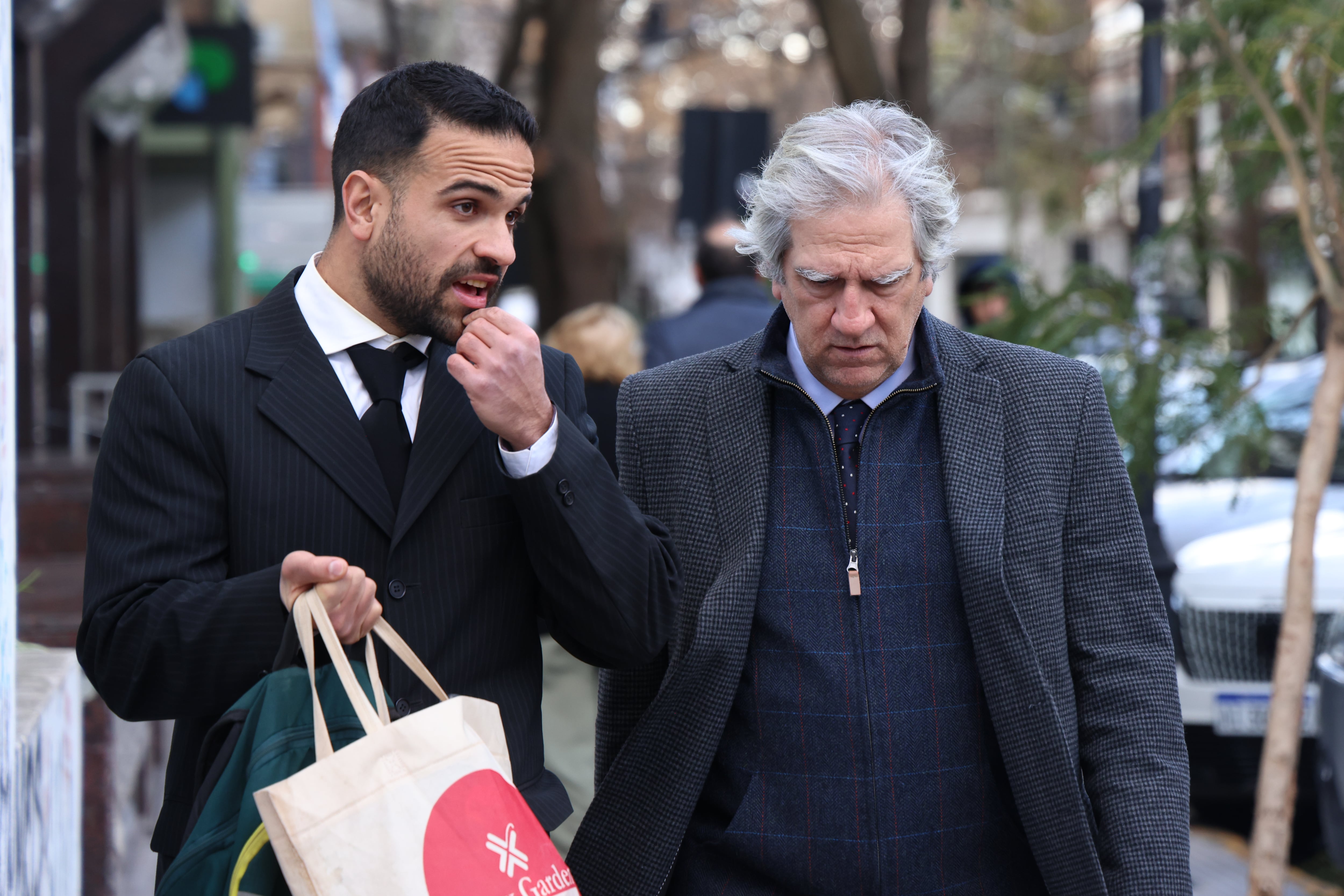
The psychologist Carlos Díaz, one of the individuals facing charges related to the death of football legend Diego Maradona, has testified before the Oral Criminal Court (TOC) No. 7 in San Isidro. Díaz's testimony comes as part of the ongoing trial investigating the alleged responsibility of several medical professionals and caregivers in Maradona's passing. The case centers on accusations that the medical team provided inadequate care, leading to his death on November 25, 2020. The defense has argued that Maradona's condition was complex and that the care provided was appropriate given the circumstances. The family of the deceased football star has expressed significant distrust towards the medical team and the handling of his final days. This trial is a high-profile case, drawing considerable attention due to Maradona's global fame and the sensitive nature of the allegations. The court is expected to examine extensive medical records and hear from numerous witnesses before reaching a verdict. The proceedings aim to determine accountability for the circumstances surrounding the death of one of the most iconic figures in sports history.
This trial highlights the complex interplay between celebrity, medical responsibility, and end-of-life care. The legal proceedings will scrutinize the ethical and professional standards applied to a globally recognized figure, potentially setting precedents for how similar cases are handled. The family's expressed distrust underscores the emotional and public dimension of such events, while the court's focus will be on objective medical evidence and adherence to established protocols. Examining the incentive structures for private medical teams attending high-profile individuals, alongside the regulatory oversight mechanisms, will be crucial. The case also prompts reflection on the broader societal expectations and responsibilities surrounding the care of public figures, especially in their final years, and how these intersect with legal accountability in the digital age.
AI-generated to prompt reflection — not editorial opinion, not advice, not a statement of fact. How this works.