Maradona's 1986 Legacy Echoes in Messi's 2026 World Cup Challenge
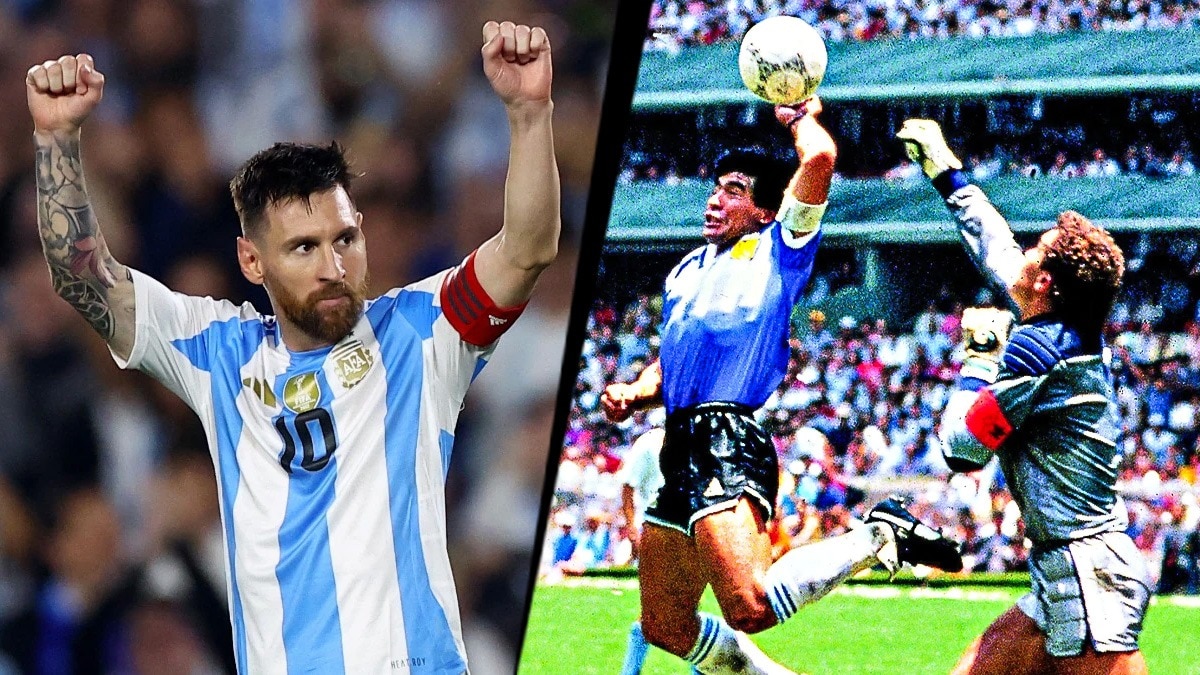
The 1986 World Cup quarter-final, a match that transcended sport to become a reckoning for the Falklands War, saw Diego Maradona etch his name in history with the 'Hand of God' and 'Goal of the Century' goals. Now, 40 years later, a similar rivalry has resurfaced in the 2026 World Cup semi-finals. The stage is set for Lionel Messi to carry the immense legacy left by Maradona. Messi faces the significant challenge of upholding that great tradition in this high-stakes match. The historical context of the 1986 game highlights the deep-seated emotions and national pride involved. Maradona's performance was not just about football; it was a symbolic victory for Argentina. The current semi-final presents a parallel opportunity for Messi to achieve similar iconic status. The pressure on Messi is immense, given the historical weight of the occasion. This match represents more than just a sporting contest; it is a chance to create new legends.
The narrative framing of the 2026 World Cup semi-final through the lens of the 1986 match and the Falklands War highlights a recurring human tendency to imbue sporting events with geopolitical and historical significance. This framing can amplify nationalistic sentiment and place immense symbolic pressure on athletes like Lionel Messi, potentially overshadowing the purely athletic contest. While such narratives can enhance fan engagement and cultural resonance, they also risk distorting the objective assessment of performance and creating unrealistic expectations. Future sporting events will continue to grapple with this tension between athletic competition and the societal narratives that surround them, particularly as global events and historical grievances evolve.
AI-generated to prompt reflection — not editorial opinion, not advice, not a statement of fact. How this works.