Maranguape, Brazil, Named Most Violent City for Second Consecutive Year
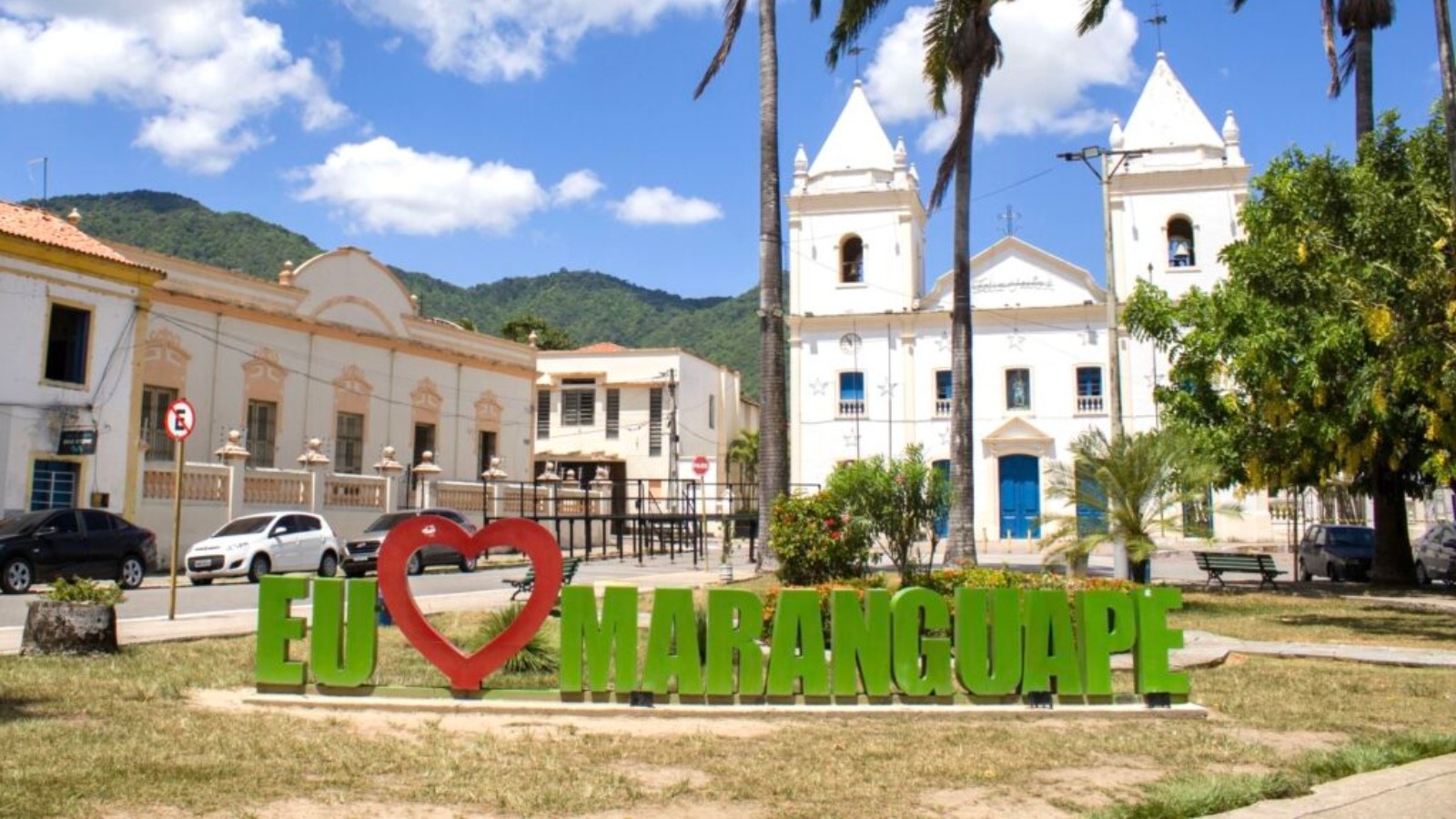
For the second year in a row, Maranguape, a municipality in the Metropolitan Region of Fortaleza, Ceará, has been identified as Brazil's most violent city. This finding comes from the 2026 Brazilian Public Security Yearbook, which analyzes data from 2025. In 2025, Maranguape, with a population of 108,000, recorded 106 homicides, resulting in a homicide rate of 100.3 deaths per 100,000 inhabitants, making it the only city in Brazil with a rate exceeding 100. Renato Sérgio Lima, president of the Brazilian Public Security Forum, attributes this high rate to a combination of territorial disputes between criminal factions and a "rate dilemma" due to its smaller population size. While Maranguape has the highest proportional rate, larger cities like Rio de Janeiro and São Paulo have a higher absolute number of deaths. Lima explained that violence is felt more acutely in smaller cities like Maranguape, where problems are more noticeable across the entire population compared to larger urban centers. The city is considered a critical hub for organized crime in Brazil, serving as a key area for distribution routes and factional conflicts, particularly between Comando Vermelho and other groups. The study highlights that Maranguape's strategic location near major highways like CE-065 and BR-222 makes it attractive to criminal organizations for drug trafficking. The Yearbook defines intentional violent deaths (MVI) as including homicides, femicides, robberies resulting in death, injuries followed by death, police killings, and deaths resulting from police interventions. Maranguape's ranking has significantly increased, moving from 8th place in 2023 to 1st place in 2024 and maintaining that position in 2025. Neighboring cities Maracanaú and Caucaia also rank among Brazil's most violent, placing 3rd and 7th respectively. Maracanaú, like Maranguape, is situated near important state and federal highways and is closer to the international airport. Caucaia's violence is linked to its proximity to the Port of Pecém and the BR-020 highway, despite a slight decrease in its homicide rate.
The repeated designation of Maranguape as Brazil's most violent city underscores systemic challenges in public security, particularly concerning the impact of organized crime and territorial disputes in smaller urban centers. The analysis suggests that while absolute numbers of homicides may be higher in larger cities, the proportional impact on smaller populations like Maranguape's can create a more acute sense of insecurity and strain local governance resources. Proximity to critical logistical routes, such as highways and ports, appears to be a significant factor attracting criminal activity, indicating a need for integrated security and economic development strategies that address both crime prevention and the underlying socioeconomic drivers. Future policy considerations might involve enhanced inter-agency cooperation, targeted interventions in high-risk corridors, and community-based security initiatives that acknowledge the unique vulnerabilities of smaller municipalities within broader regional security dynamics.
AI-generated to prompt reflection — not editorial opinion, not advice, not a statement of fact. How this works.