Maranguape, Brazil Registers Second Homicide of 2026 Amidst Past Violence Rankings
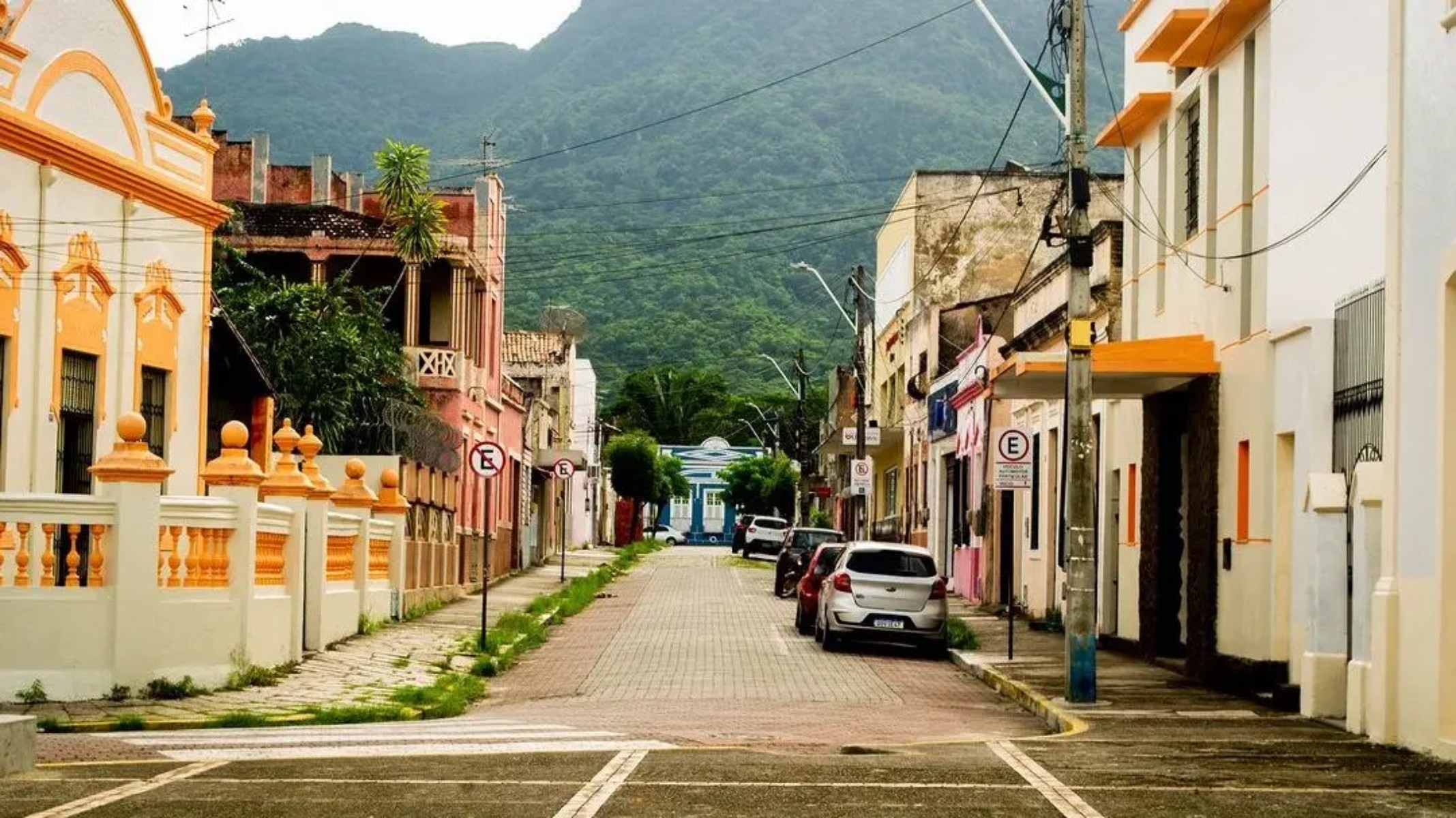
Maranguape, a city in Ceará, Brazil, recorded its second homicide of 2026 on Saturday, February 25th. The victim, a 33-year-old man, was fatally shot in the Novo Parque Iracema neighborhood. This incident occurred despite Maranguape having been ranked as Brazil's most violent city for two consecutive years, based on data from 2024 and 2025. The Secretariat of Public Security and Social Defense confirmed the victim died from gunshot wounds sustained in a public area. The victim's identity has not been released, and the homicide investigation is ongoing. The previous homicide in Maranguape took place on January 28th. The city, located in the Metropolitan Region of Fortaleza, topped the list of Brazil's most violent municipalities in recent years according to the Brazilian Yearbook of Public Security. In 2025, Maranguape, with a population of 108,000, reported 106 homicides and 3 deaths resulting from police intervention, leading to a homicide rate of 100.3 per 100,000 inhabitants. This rate was the only one in Brazil exceeding 100 per 100,000. The high rates are attributed to territorial disputes between criminal factions and the impact of population size on statistical rates, as explained by Renato Sérgio Lima, director-president of the Brazilian Public Security Forum. The Secretariat of Public Security highlighted a significant reduction in violent deaths in Ceará's cities, including Maranguape, with a 97.4% decrease in violent crime deaths in the first half of 2026 compared to the same period in the previous year. The Prefecture of Maranguape contested the ranking methodology, stating it omits crucial data and that the single violent death in 2026 contrasts sharply with the 106 deaths in 2025, indicating a rupture in the violence scenario. The city's strategic location near major highways facilitating drug trafficking is cited as a factor attracting criminal groups.
While Maranguape's reported reduction in violent crime rates for the first half of 2026 is a positive development, the city's persistent presence at the top of national violence rankings in previous years warrants a systemic examination. The cited factors of territorial disputes among criminal factions and the statistical amplification of violence due to smaller population size suggest that localized interventions may be insufficient. Future strategies should consider the interplay between urban planning, economic opportunity, and the logistical appeal of transportation corridors for illicit activities. A comprehensive approach addressing root causes, alongside robust law enforcement and community engagement, will be crucial for sustainable public safety improvements over the next decade, particularly as technology and societal structures evolve.
AI-generated to prompt reflection — not editorial opinion, not advice, not a statement of fact. How this works.