Maranhão 2026 Gubernatorial Race: Six Candidates Emerge in Pre-Campaign
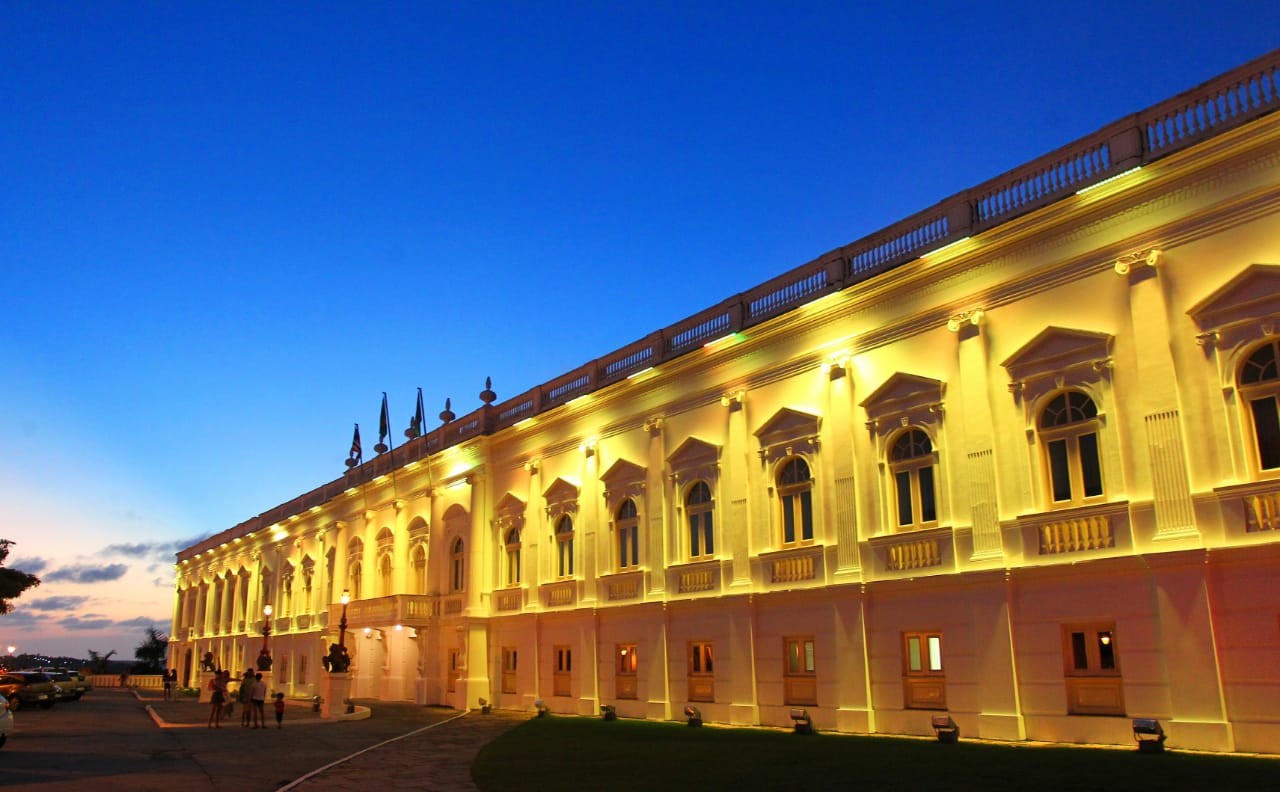
The race for the Maranhão state government in 2026 has officially begun, with six pre-candidates already declared. These contenders represent diverse political factions, and more are expected to join the contest in the coming weeks. The current declared candidates are André Luís (Missão), Eduardo Braide (PSD), Enilton Rodrigues (PSOL), Felipe Camarão (PT), Orleans Brandão (MDB), and Saulo Arcangeli (PSTU). The Novo party may field a candidate, and parties like PCO and PCB are considering left-wing candidacies. Orleans Brandão, backed by Governor Carlos Brandão and the MDB, is the leading government-aligned candidate, advocating for continuity and supported by numerous mayors, state and federal deputies, and Senator Weverton Rocha. He has named former São Luís mayor Edivaldo Holanda Júnior as his running mate. Representing the opposition, São Luís Mayor Eduardo Braide is positioning himself as Brandão's main rival, maintaining an independent stance from presidential politics to appeal to a broad electorate. He has secured support from Federal Deputy André Fufuca and selected businesswoman Elaine Carneiro as his vice-governor candidate. Felipe Camarão, the current Vice-Governor, is vying for the PT's nomination amid internal party divisions, with national PT leadership supporting his bid to be seen as President Lula's representative in Maranhão. André Luís, representing the Missão party, is targeting conservative voters with a platform focused on anti-corruption and political renewal, aligning with presidential hopeful Renan Santos and proposing municipal mergers. Saulo Arcangeli of PSTU and Enilton Rodrigues of PSOL are presenting left-wing candidacies, with Arcangeli focusing on public services and workers' rights, and Rodrigues emphasizing social movements and inequality reduction, while PSOL explores closer ties with the PT and the Lula administration.
The burgeoning pre-campaign for Maranhão's 2026 gubernatorial election highlights the complex interplay of state-level political alliances and national party dynamics. Candidates are strategically positioning themselves, balancing local support bases with endorsements from national figures like President Lula and former President Bolsonaro's sympathizers, indicating a fragmented political landscape. The emergence of multiple candidates from various ideological spectrums, including those from smaller parties, suggests a potential for shifting voter allegiances and a contest that may hinge on mobilizing distinct demographic groups. Future electoral outcomes will likely depend on candidates' abilities to navigate these diverse coalitions, manage internal party pressures, and articulate compelling visions for state governance that resonate beyond immediate partisan interests, particularly in the context of evolving national political trends and economic conditions over the next decade.
AI-generated to prompt reflection — not editorial opinion, not advice, not a statement of fact. How this works.