Maranhão film 'Tomate' wins Best Brazilian Short Film award
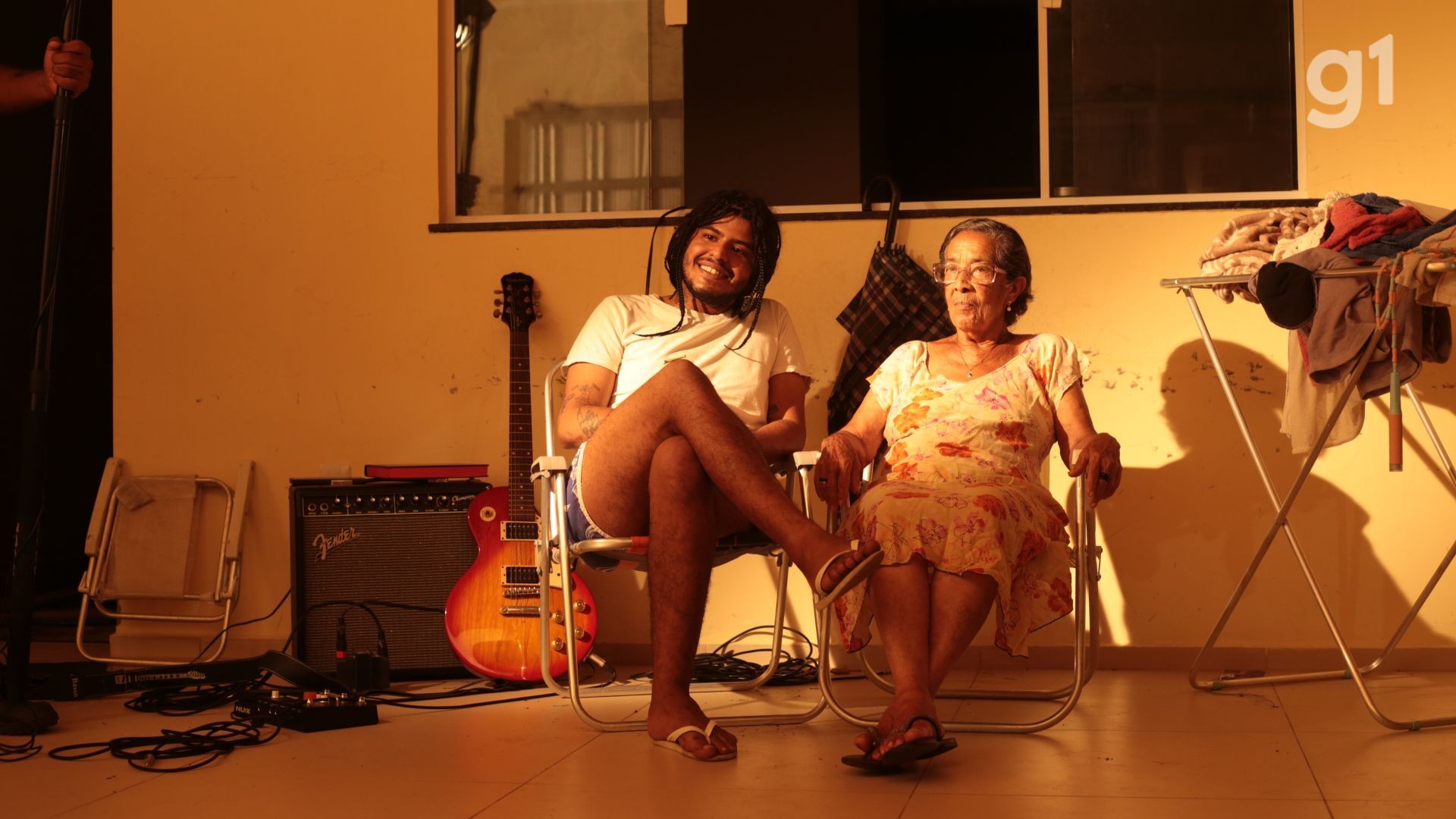
The Maranhão film 'Tomate,' directed by Karle Costa and Breno Garcia, has won the Maria Joana Award for Best Brazilian Short Film of 2026. This recognition came after the production's participation in the Maria Joana Festival of Cannabis Cinema, held in Florianópolis, Santa Catarina, with the results announced on Thursday, the 16th. The film was produced by Irin Omi, an independent production company founded by Communication students from the Federal University of Maranhão (UFMA). Shot entirely in São Luís, the project originated from academic activities and involved students from various audiovisual disciplines. The 15-minute film, 'Tomate,' blends drama and comedy to explore themes of family conflict, caregiving, and intergenerational reconciliation. Its plot centers on a young man who, after a falling out with his grandmother, returns home to care for her when she falls ill, leading to a renewed connection between them. The narrative was inspired by the song 'Tomate' by Maranhão artist Victor Cravin, dedicated to his grandmother, and expanded upon with personal accounts of family relationships, generational differences, and grief. The production team covered a significant portion of the costs, including transportation, food, and logistics, themselves. In addition to directors Karle Costa and Breno Garcia, the festival organizers also congratulated Ranaisy Santos and other artistic and technical crew members involved in the film.
This award highlights the growing recognition of independent Brazilian cinema, particularly productions emerging from universities and student initiatives. The film's success, achieved with significant self-funded efforts by its student creators, underscores the resourcefulness and passion within emerging filmmaking communities. The narrative's focus on intergenerational relationships and reconciliation addresses universal human experiences, resonating with audiences and festival juries alike. This event also points to the evolving landscape of film festivals, with specialized events like the Maria Joana Festival of Cannabis Cinema providing unique platforms for diverse cinematic voices and themes. The collaborative nature of the production, involving students from various disciplines, reflects a modern, interdisciplinary approach to creative projects, potentially setting a precedent for future audiovisual endeavors.
AI-generated to prompt reflection — not editorial opinion, not advice, not a statement of fact. How this works.