Maranhão Ostomy Patients Face Shortages of Essential Collection Bags
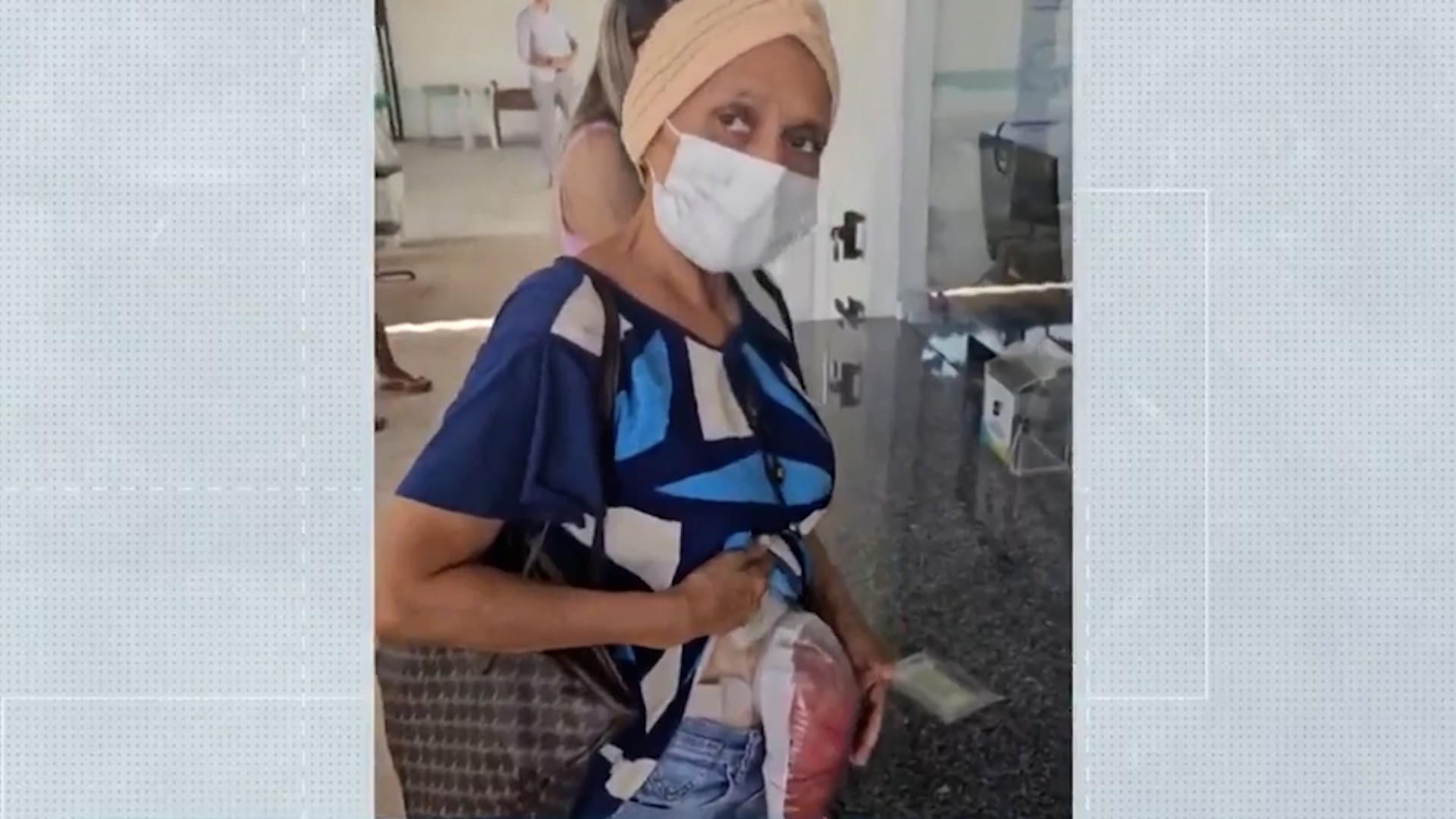
Patients requiring ostomy supplies in various cities across Maranhão, Brazil, are experiencing significant difficulties in obtaining essential collection bags and other treatment materials. They report delays in distribution and are demanding a resolution from public authorities. A judicial agreement mandates the Maranhão state government to provide funds for these materials, while the São Luís municipality is responsible for purchasing and distributing them to patients. Ostomy patients have a surgically created opening in the abdomen, called a stoma, through which waste is eliminated and collected in a bag attached to the skin. These supplies require regular replacement and specialized care. Gisele Santos, an esthetician who uses ostomy bags following cancer treatment, has not received supplies since December, forcing her to rely on costly donations and often unsuitable products. A farmer from Arari faces similar issues, receiving insufficient quantities of the wrong type of bag, leading to discomfort and hindering his ability to work. Medical professionals warn that improper use or inadequate substitutes for these bags can lead to serious health complications, potentially requiring hospitalization. The Association of Ostomized People of Maranhão, representing 1,917 patients, has resorted to legal action to ensure supply. The association's president, Luís Cláudio Sousa, stated that the municipality claims a lack of funds, despite the state having transferred nearly R$1.5 million as part of a judicial agreement. The state government initially committed to an annual R$1 million transfer to São Luís starting in 2021 for this purpose. Judge Douglas de Melo Martins noted that issues may stem from procurement delays, funding shortfalls, or accountability problems, with ongoing judicial efforts to mediate between the state and municipality. The State Health Secretariat (SES-MA) indicated that further fund transfers are contingent on the municipality's proper financial reporting, citing irregularities in São Luís's 2024 accounts and a failure to submit 2025 documentation, which impedes new disbursements. SES-MA also pointed out that São Luís receives federal funds for ostomy supplies, suggesting the municipality is not solely reliant on state aid.
This situation highlights systemic challenges in public healthcare procurement and distribution, particularly for vulnerable patient populations. The judicial agreement, while intended to ensure supply, reveals a persistent disconnect between state funding, municipal execution, and patient needs. Accountability issues, including alleged irregularities in financial reporting by the São Luís municipality, appear to be a significant bottleneck, impeding the flow of essential medical supplies. The reliance on judicial intervention for basic healthcare provision suggests a breakdown in established administrative processes and intergovernmental cooperation. Future efforts should focus on strengthening transparent supply chain management, enforcing clear lines of responsibility, and implementing robust oversight mechanisms to prevent recurrence, ensuring that patient access to critical medical supplies is not subject to administrative delays or financial disputes.
AI-generated to prompt reflection — not editorial opinion, not advice, not a statement of fact. How this works.