Maranhão Ranks Last in Amazon Region's Environmental Information Access
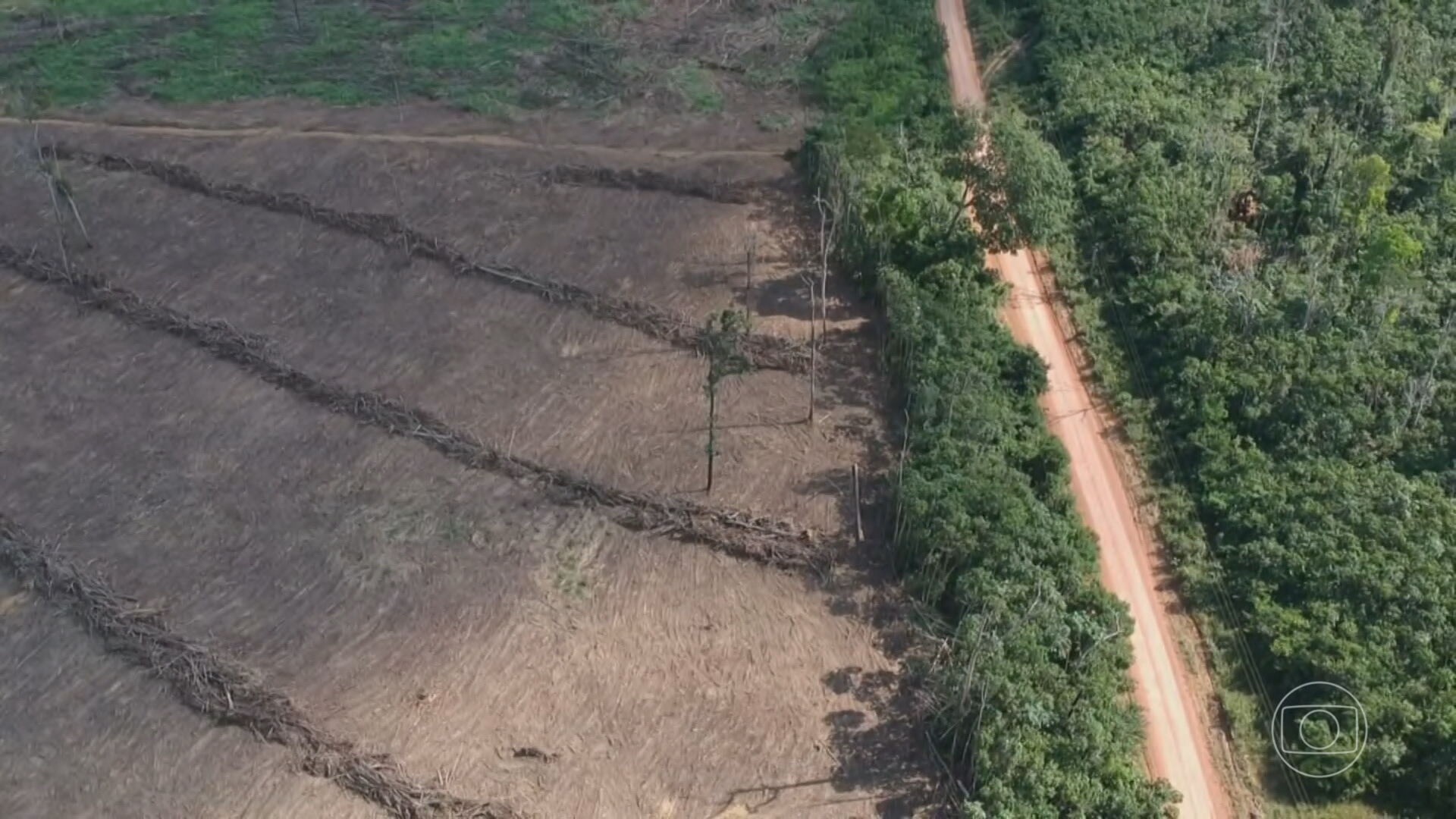
Maranhão, Brazil, has the lowest score for access to environmental information among the nine states in the Legal Amazon region, according to the 2026 Environmental Democracy Index (IDA). Released by the Instituto Centro de Vida (ICV) and Transparência Internacional Brasil, the study gave Maranhão 27.2 points, placing it last overall. The Legal Amazon encompasses nine states: Acre, Amapá, Amazonas, Maranhão (partially), Mato Grosso, Pará, Rondônia, Roraima, and Tocantins. The index assesses how federal and state governments uphold environmental democracy rights across four dimensions: access to information, social participation, access to justice, and protection of environmental defenders. Researchers found significant gaps in the availability of crucial data for monitoring public environmental policies. This includes information on permits for vegetation removal, controlled burns, land regularization processes, the Rural Environmental Registry (CAR), and Animal Transit Guides (GTA). The lack of transparency hinders social oversight and the identification of potential irregularities, including environmental crimes and corruption. While Maranhão ranked fourth overall with a "regular" classification in transparency, social participation, and defender protection, it placed second-to-last in social participation. This indicates weaknesses in environmental councils, conservation unit councils, and public hearings related to environmental licensing. However, Maranhão performed strongly in access to environmental justice, securing second place behind Pará. This success is attributed to strengthened specialized structures and enhanced capabilities within the judiciary, public prosecution, and public defender's offices for addressing socio-environmental and land-related issues.
This study highlights a critical governance deficit in Maranhão regarding environmental information transparency, which is foundational for democratic accountability and effective environmental management. The disparity between Maranhão's poor performance in information access and its strong showing in judicial access suggests that while legal recourse may exist, the upstream availability of data necessary for proactive oversight and citizen engagement is severely lacking. This systemic issue, common in regions with complex environmental challenges, can foster corruption and hinder sustainable development by limiting public scrutiny of resource allocation and regulatory compliance. Addressing this requires a focus on improving data management infrastructure and open-access policies, thereby empowering civil society and fostering a more robust environmental governance framework for the future.
AI-generated to prompt reflection — not editorial opinion, not advice, not a statement of fact. How this works.