Maranhão Reports Nearly 1,200 Scorpion Stings in First Half of 2026; Balsas Leads Cases
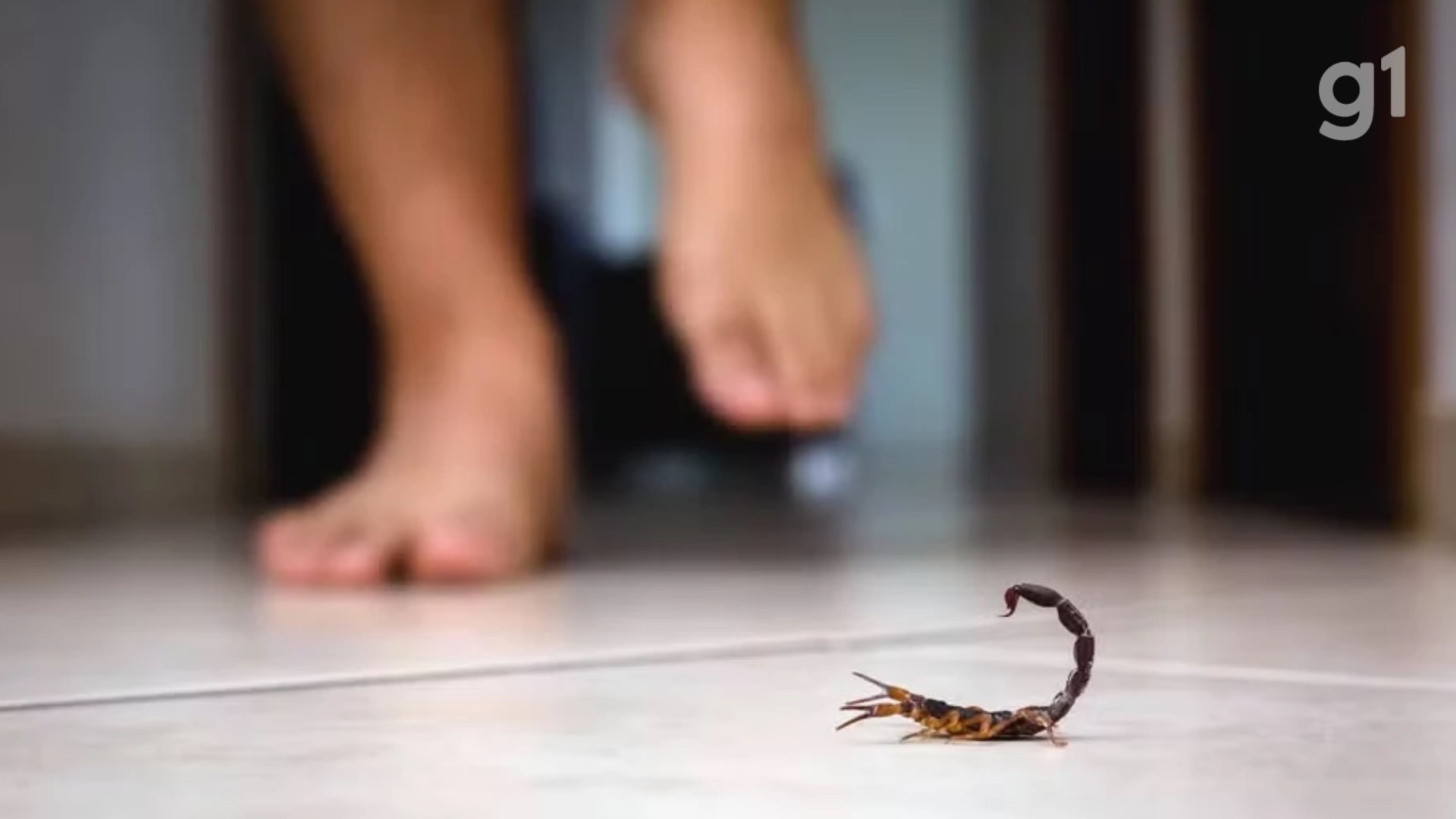
The state of Maranhão in Brazil recorded 1,199 incidents involving scorpion stings between January and June 2026. This figure represents a 12% decrease compared to the same period in 2025, when 1,362 cases were reported, according to data from the Information System for Notifiable Diseases (Sinan/Datasus). The State Health Secretariat (SES) reported that two of these incidents were classified as severe, though no fatalities were linked to scorpion bites during this period. The municipality of Balsas reported the highest number of cases, with 90 incidents in the first six months of 2026. Following Balsas were Coelho Neto with 72 cases, Buriti with 71, Grajaú with 70, Caxias with 58, and Timon with 41 notifications. Other municipalities with significant case numbers included Coroatá (28), Barra do Corda (27), Lagoa do Mato (24), and São Luís (24). The SES stated that ongoing surveillance, prevention, and victim assistance actions are conducted throughout the state. These measures involve epidemiological monitoring, training health professionals for diagnosis and treatment, and ensuring the availability of antivenom serums. The secretariat also provides technical support to municipalities for strengthening preventive actions and conducts public educational campaigns. To reduce the risk of stings, the SES advises keeping yards clean, avoiding debris accumulation, and sealing cracks in walls, doors, and drains. Residents are also urged to shake out clothing, shoes, and bedding before use. In case of a sting, immediate medical attention at the nearest health unit is recommended, with a warning against home remedies that could worsen the condition. The antivenom treatment is provided free of charge by the SUS when medically indicated, and prompt care is crucial to prevent complications, especially for vulnerable populations.
The reported decrease in scorpion sting incidents in Maranhão suggests potential efficacy in public health interventions, though the underlying drivers require deeper examination. While a 12% reduction is positive, the persistent high number of cases, particularly in municipalities like Balsas, indicates ongoing environmental or behavioral factors contributing to human-scorpion encounters. Future strategies could focus on integrated pest management and urban planning that minimizes scorpion habitats, alongside continued public education. Analyzing the distribution of cases across different municipalities may reveal localized environmental conditions or socioeconomic factors that exacerbate risk, enabling more targeted resource allocation. The SES's commitment to surveillance and professional training is vital, but a long-term vision should also consider how climate change and urbanization might influence scorpion populations and their proximity to human settlements in the coming decade.
AI-generated to prompt reflection — not editorial opinion, not advice, not a statement of fact. How this works.