Maranhão's Delayed Independence: A Story of Portuguese Ties and Elite Interests
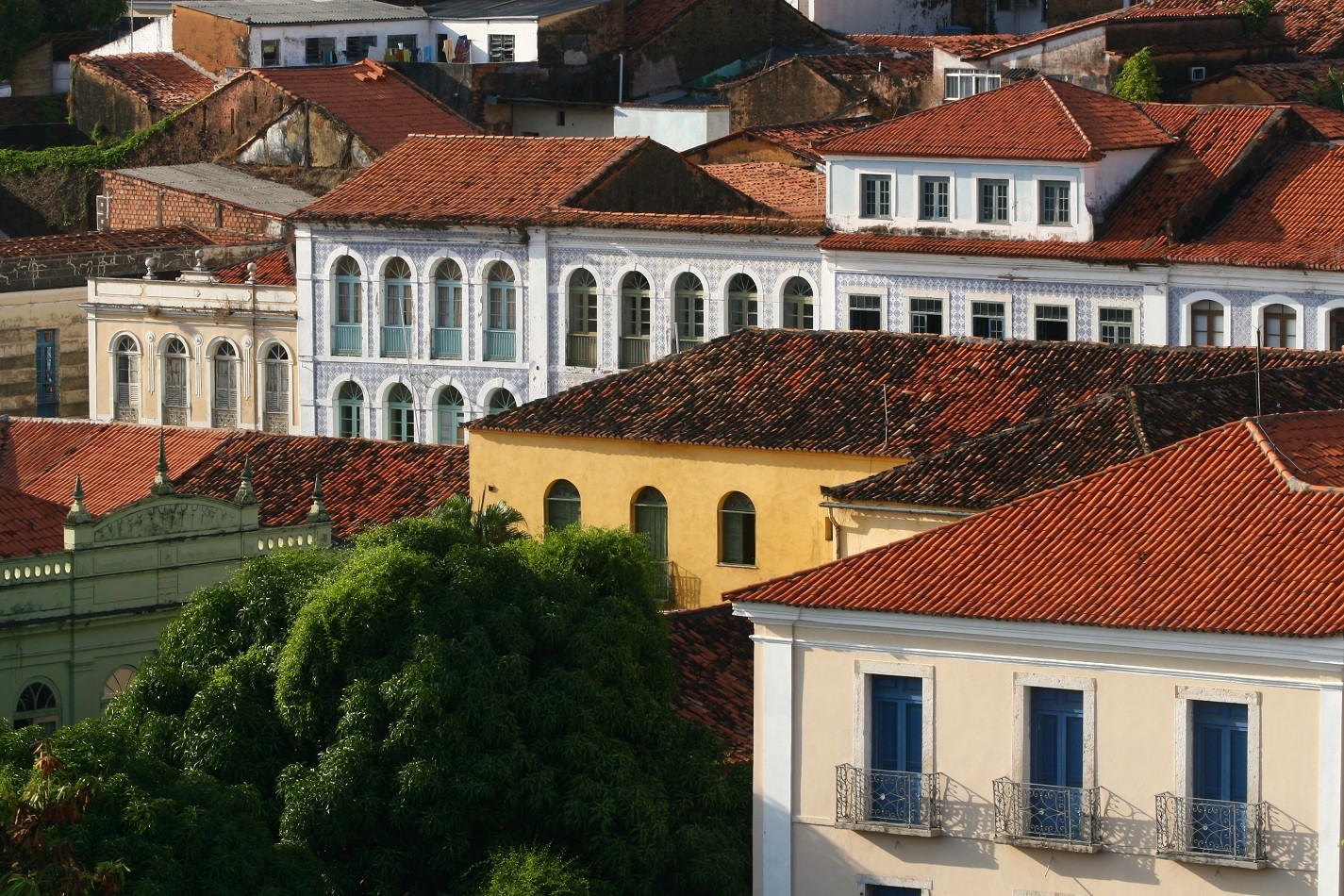
July 28th marks the state holiday commemorating Maranhão's adhesion to Brazil's Independence, formalized on July 28, 1823. This event followed a period of significant resistance, conflicts, and economic considerations tied to Portugal. Historian Marcelo Cheche Galves explains that Maranhão's reluctance stemmed from its strong political and commercial ties with Portugal, which predated the Portuguese court's relocation to Rio de Janeiro in 1808. For much of the Maranhão elite, particularly those in agriculture and trade, maintaining these established connections with Lisbon seemed more advantageous than shifting allegiance to Rio de Janeiro. The process of independence in Maranhão was not peaceful; troops from Ceará and Piauí, already aligned with the Brazilian Empire, advanced into the province. This military pressure, coupled with the potential for slave revolts in a region that was a major cotton producer, made large landowners fearful. Consequently, these landowners began to support independence as a means to protect their interests and prevent social upheaval. Their subsequent march towards São Luís, with the imperial troops, shifted the movement's focus away from its initial social character. The arrival of Scottish Admiral Thomas Cochrane in São Marcos Bay on July 26, 1823, sent by the emperor, led to the siege of São Luís. Two days later, Maranhão formally joined the Empire. Galves notes that while officially termed 'adhesion,' the event in Maranhão was more akin to a surrender, given São Luís's historical Portuguese identity and resistance. Remembering July 28th highlights the varied regional experiences and diverse interests that shaped Brazil's formation, countering a singular national narrative centered solely on Rio de Janeiro.
The historical narrative of Maranhão's adhesion to Brazilian independence underscores the complex interplay of regional economic interests and geopolitical allegiances during nation-building. The province's initial resistance, driven by established trade links with Portugal, illustrates how economic dependencies can create friction with centralized political authority, even when that authority is geographically closer. The eventual shift in elite sentiment, influenced by fears of social instability and military pressure, reveals a pragmatic prioritization of property and order over ideological alignment. This historical episode serves as a reminder that national unification is often a mosaic of negotiated interests rather than a monolithic embrace of a singular cause. Examining such events through the lens of future governance, it highlights the enduring challenge of balancing regional autonomy with national cohesion, particularly in diverse economic landscapes. The legacy of these differing regional pathways continues to inform contemporary debates on federalism and economic development within Brazil.
AI-generated to prompt reflection — not editorial opinion, not advice, not a statement of fact. How this works.