Maranhão State University Must Use Biopsychosocial Assessments for Disabled Applicants
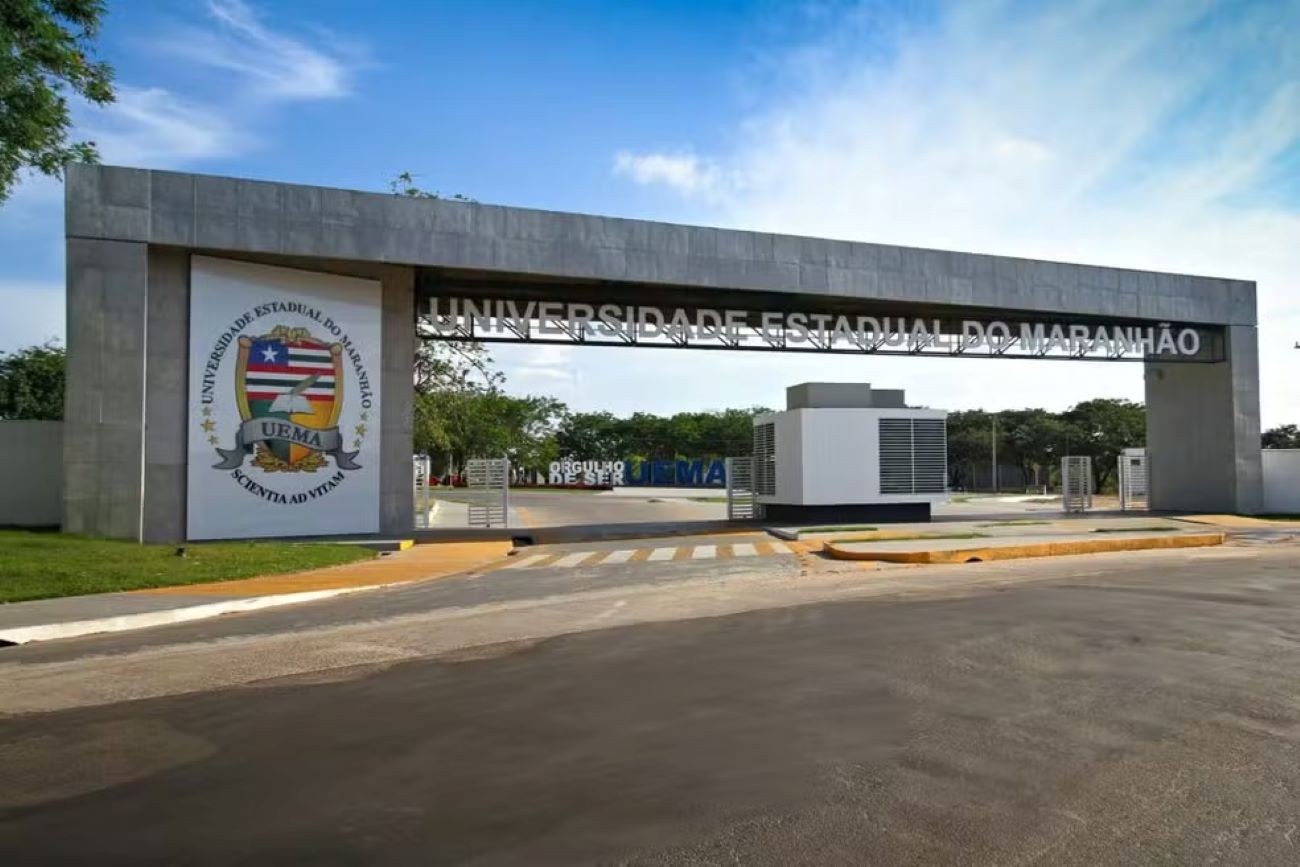
A court in São Luís has ordered the Maranhão State University (UEMA) to adopt a biopsychosocial assessment criterion for candidates applying for positions reserved for people with disabilities. This applies to university entrance exams, selection processes, and public tenders. The ruling, issued by the Court of Diffuse and Collective Interests of São Luís, mandates that evaluations consider not only medical aspects but also social, environmental, psychological, and personal factors affecting an individual's societal participation. The university is specifically prohibited from using the International Classification of Functioning, Disability and Health (ICF) as the sole basis for accepting or rejecting candidates for these reserved spots; the ICF may only serve as a supplementary tool. A medical report with a Disease Classification (CID) code and disability description will be deemed sufficient for initial registration. UEMA can no longer deny participation based on missing ICF information or the preservation of bodily function, nor can it mandate ICF as a required document for application. If initial reports lack sufficient detail, UEMA may request supplementary data for the biopsychosocial evaluation. The lawsuit was initiated by the Public Prosecutor's Office of Maranhão (MP-MA), which alleged that UEMA's prior reliance on the ICF violated international conventions and Brazilian law regarding disability rights. Judge Douglas de Melo Martins, presiding over the case, emphasized that Brazilian law supports a biopsychosocial model of disability assessment conducted by multidisciplinary teams. UEMA had not yet issued a statement regarding the decision at the time of reporting.
This judicial decision reflects a significant shift in how disability is assessed for affirmative action, moving away from a purely medical or functional model towards a more holistic biopsychosocial framework. By mandating a broader evaluation, the court aims to align UEMA's practices with international human rights standards and Brazilian inclusion laws, potentially opening up opportunities for individuals whose disabilities might not be fully captured by a single classification system. This ruling underscores the growing recognition that disability is a complex interplay of individual impairment and societal barriers, and that assessment methods must evolve to accurately reflect this reality. Future implications may involve broader adoption of similar assessment models across educational and employment sectors, prompting institutions to invest in multidisciplinary evaluation teams and develop more nuanced criteria for assessing eligibility.
AI-generated to prompt reflection — not editorial opinion, not advice, not a statement of fact. How this works.