Maranhão Students Invited to Submit Research to Scientific Journal by August 7
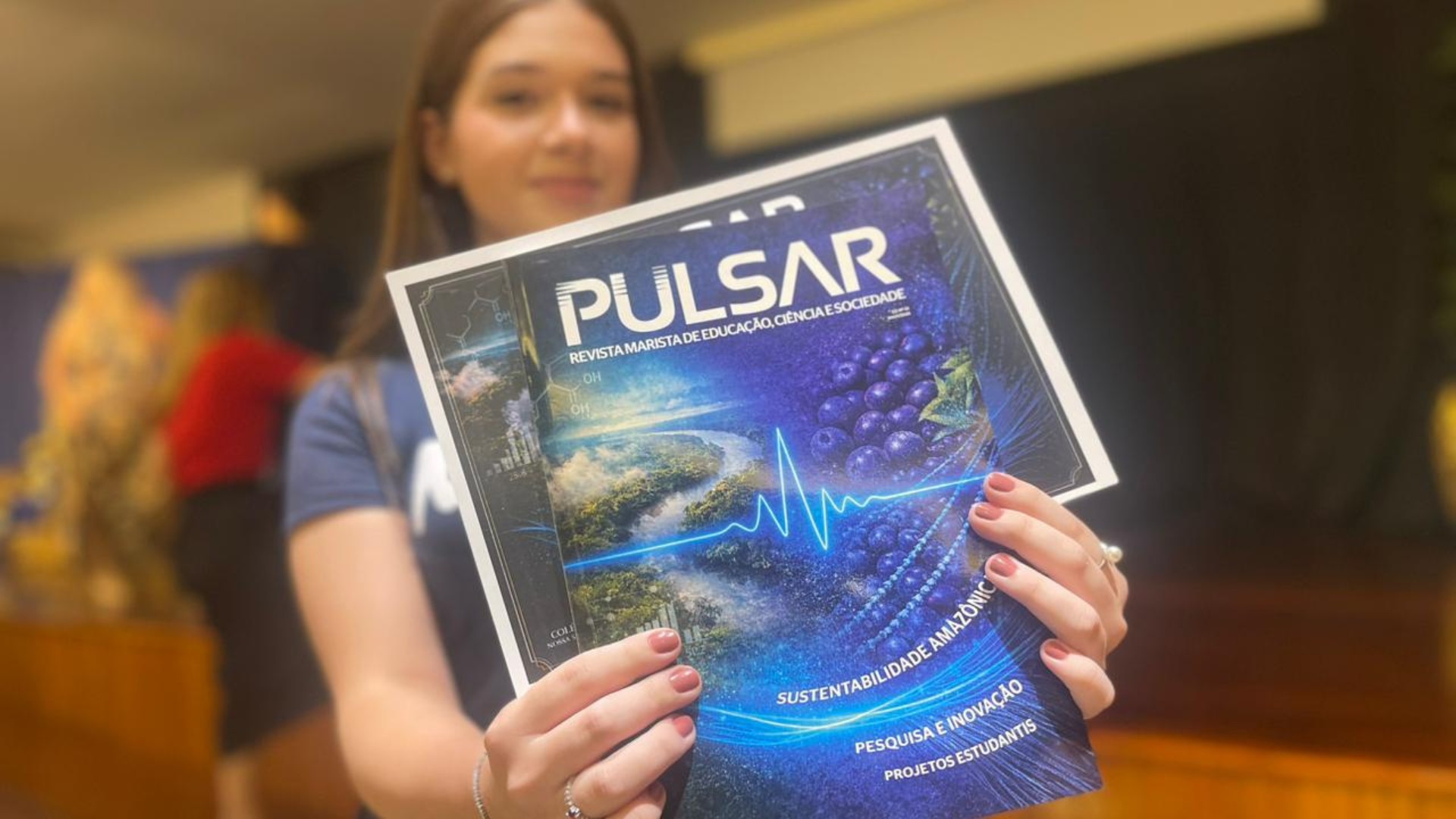
Students in Maranhão, Brazil, have until August 7 to submit their scientific research for consideration in the second edition of Revista Pulsar. This scientific journal, created by high school students, is now accepting submissions from students across Brazil. The initiative aims to provide a platform for young researchers to showcase studies developed through science fairs, scientific initiation projects, and school activities. Many students conduct valuable research during their basic education but lack opportunities for publication in scientific journals.
Revista Pulsar was launched in May of this year by Colégio Marista Nossa Senhora de Nazaré in Belém, Pará, and is recognized as the first scientific journal in Brazil produced and registered by high school students. The first edition featured approximately 40 student authors and published nine scientific articles, including one on repurposing açai seeds for sustainable thermal insulation boards. For the upcoming edition, the journal will accept original scientific articles, experience reports, and interdisciplinary works on Education and Inclusion, Science and Technologies, and School, Family, and Support Networks.
Submissions will undergo peer review by invited researchers, with author identities concealed. The organizers anticipate increased participation from students nationwide, particularly from Maranhão, to gain national recognition for their foundational research. Detailed guidelines and the full announcement are available on the Colégio Marista Nossa Senhora de Nazaré website. Research should be emailed to [email protected], with the second edition slated for publication on December 15.
This initiative democratizes scientific dissemination by empowering high school students to publish their research, addressing a gap in early-career academic visibility. By expanding beyond its initial regional focus to national submissions, Revista Pulsar fosters cross-regional collaboration and exposes students to diverse research methodologies. The peer-review process, even among students, introduces them to rigorous academic standards. Looking ahead, such platforms could become crucial incubators for future scientific talent, potentially influencing educational curricula to better integrate research and publication skills. The sustainability of this model will depend on continued institutional support and the scalability of its peer-review mechanism as participation grows.
AI-generated to prompt reflection — not editorial opinion, not advice, not a statement of fact. How this works.