Maranhão Students Win Top Robotics Prize in South Korea
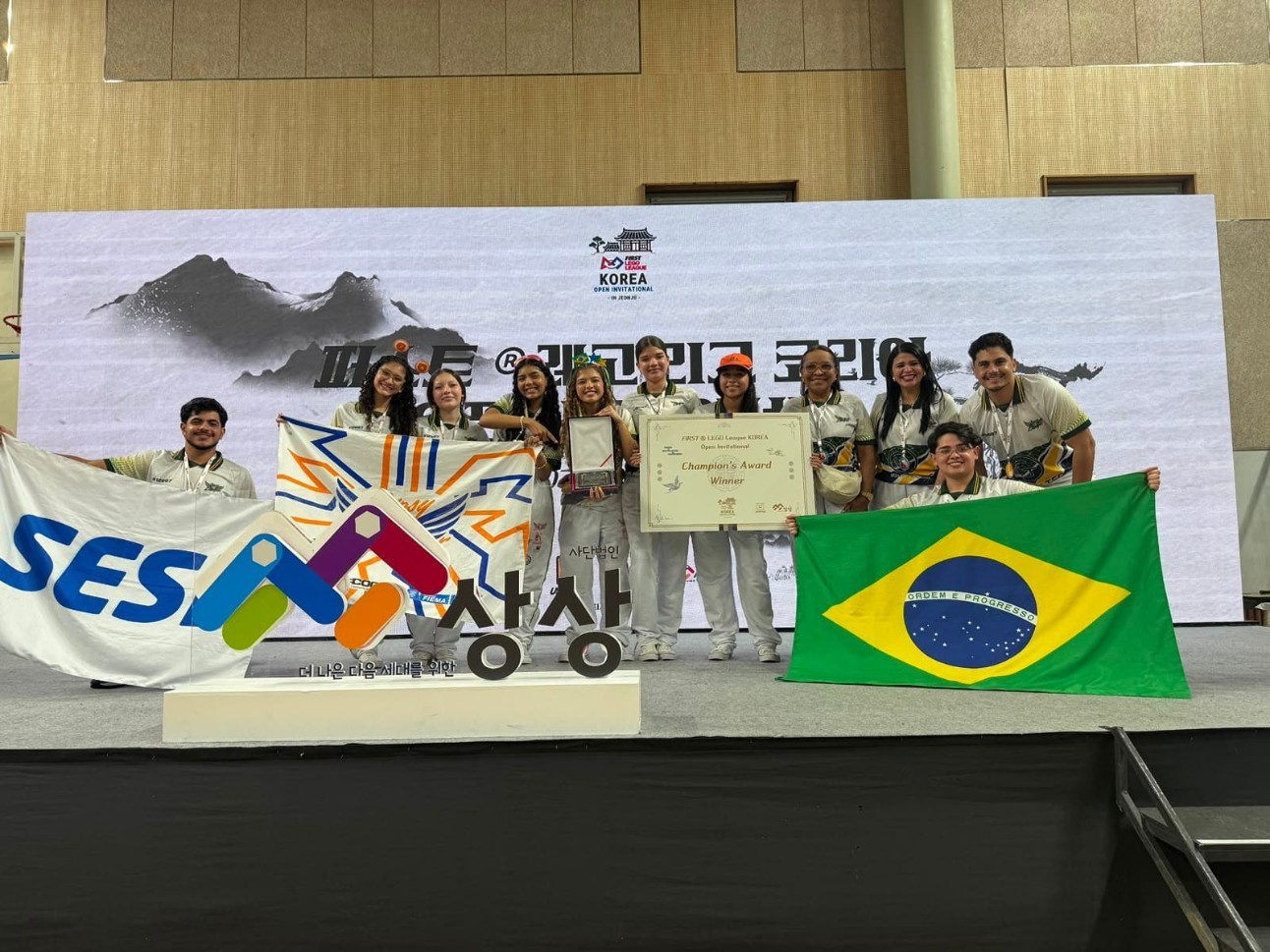
Six students from the Serviço Social da Indústria (Sesi) school in São Luís, Maranhão, Brazil, have won the prestigious Champions Award Winner at the Korea Open Invitational, a major international educational robotics competition. The event took place in South Korea from July 3rd to 5th. The all-female team, named Gipsy Danger, triumphed over more than 50 teams from 45 countries. Their victory was attributed to outstanding technical performance, innovation, teamwork, and the social impact of their project. For six months, the students developed a specialized kit designed to assist paleontologists and archaeologists during excavations. This kit consolidates the functions of 15 tools not readily available in Brazil, prioritizing comfort, safety, and ease of use. A key aspect of their success was the practical testing of the kit at an archaeological site in Pará, Brazil, allowing them to observe its real-world application and user interaction. The Gipsy Danger team comprises Agnes Rafaela Aguiar, Dandara Abreu, Larissa Dutra, Sofia Barbosa, Lara Beatriz Soeiro, and Brendha Kamille Leal Cabral, all around 15 years old. Beyond their innovative project, the team also competed in technical challenges with a robot. The Champions Award considers criteria such as organization, collaboration, social impact, and adherence to tournament values. The students returned to São Luís on Sunday, July 12th, viewing the experience as a significant motivator for future projects. Prior to this international success, the team secured third place in the Innovation Project category at the Sesi Education Festival in São Paulo in March. Last year, they achieved sixth place among over 100 teams at an international robotics tournament in California, USA. Sesi Maranhão's regional superintendent, Regina Sodré, highlighted the achievement as a testament to the institution's investment in education, innovation, and technology, emphasizing the development of critical thinking, leadership, and autonomy in young people. The manager of Sesi School São Luís, Cristina Cunha, echoed this sentiment, stating the win reinforces the school's commitment to creativity, science, innovation, and student leadership, marking it as one of the school's most significant international robotics achievements.
This achievement by young Brazilian students highlights the growing global landscape of educational robotics competitions as platforms for fostering innovation and cross-cultural exchange. The success of the Gipsy Danger team underscores the effectiveness of project-based learning, particularly when it addresses practical challenges and incorporates real-world testing. The emphasis on social impact and technical excellence within the competition framework suggests a maturing trend in educational technology, moving beyond pure technical skill to encompass broader societal contributions. As AI and automation continue to reshape industries, such initiatives are crucial for equipping future generations with adaptable problem-solving capabilities and a global perspective, potentially influencing future educational curricula and investment in STEM fields worldwide.
AI-generated to prompt reflection — not editorial opinion, not advice, not a statement of fact. How this works.