Maranhão University Hospital Breast Milk Bank Appeals for Donations Amid Critical Shortage
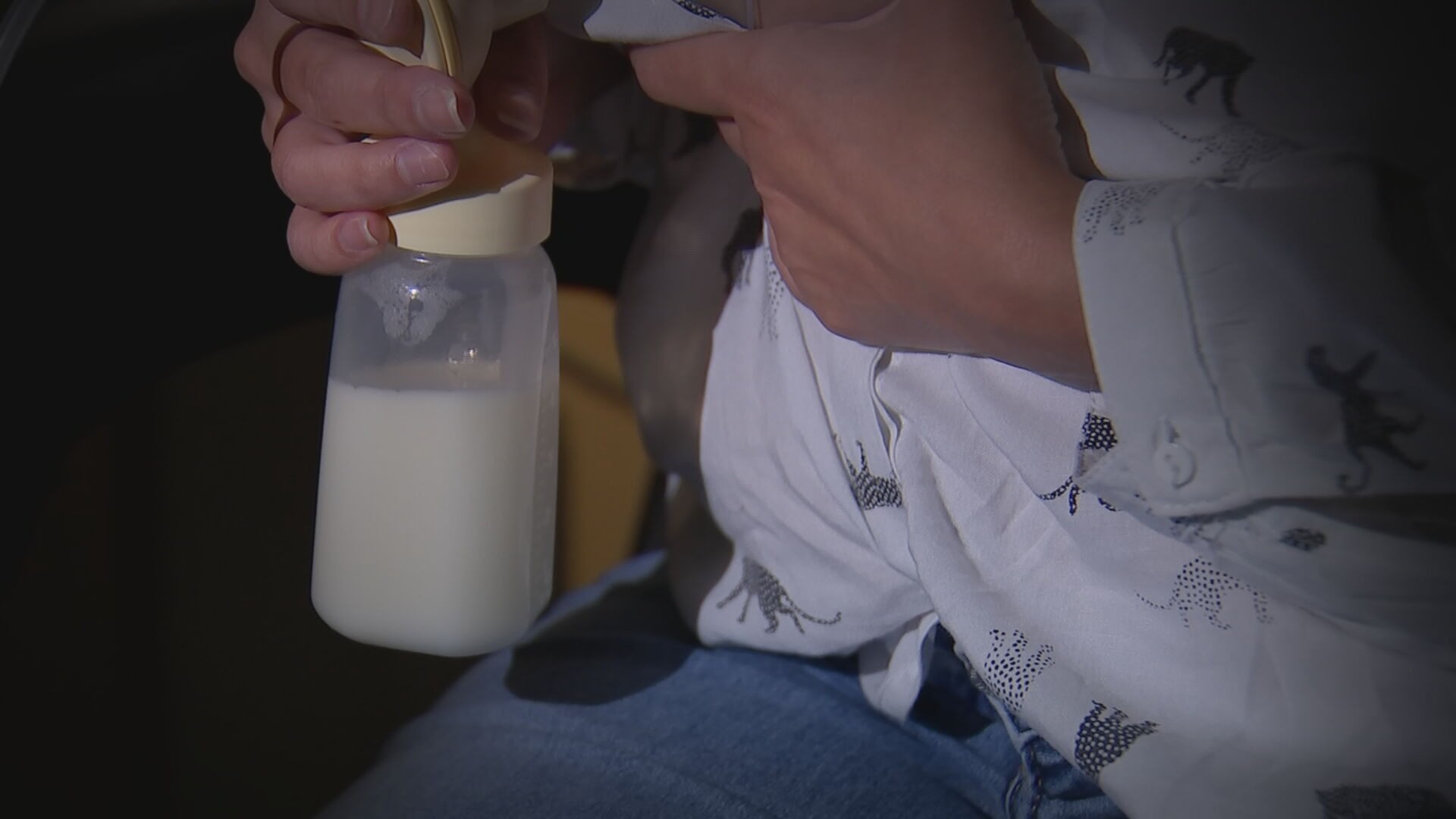
The Human Milk Bank at the University Hospital of the Federal University of Maranhão (HU-UFMA) in Brazil is facing a severe shortage of breast milk, with its current stock reduced to approximately 20 liters. This amount is only one-third of the ideal volume of at least 60 liters needed to adequately support hospitalized newborns, particularly premature infants and those with low birth weight. The HU-UFMA, part of the Rede HU Brasil network, is urgently appealing for donations to maintain its services.
Nurse Liane Soares from the HU-UFMA's Human Milk Bank explained that donations can be made in person at the facility or through a home collection service. Mothers whose babies are already hospitalized can also donate their surplus milk. The bank ensures strict quality control from hand and breast hygiene to the use of proper materials to prevent contamination during collection. Interested mothers can contact (98) 99163-6833 for home collection, where they will receive guidance on safe milk extraction at home, and the bank's team will provide sterilized containers and collect the milk weekly. Donors must be in good health, without breast lesions, and any medications taken must be compatible with breastfeeding. The donated milk should be surplus to the baby's own needs, as increased milk expression can stimulate greater production. The milk is distributed based on medical and nutritional prescriptions for the Neonatal Intensive Care Unit (NICU), as breast milk is crucial for strengthening infants' immune systems and aiding recovery. Raw breast milk can be frozen for up to 15 days, and after pasteurization, its shelf life extends to six months, ensuring safety for newborns.
The critical shortage at the HU-UFMA's breast milk bank highlights systemic challenges in maintaining essential public health resources, particularly those reliant on voluntary contributions. While the appeal for donations is a direct response, it underscores the vulnerability of such services to fluctuations in donor availability, potentially influenced by public awareness, seasonal factors, or broader socioeconomic conditions. The described protocol for collection and pasteurization indicates robust safety measures, but the reliance on home-based collection and donor motivation requires continuous outreach and support to ensure consistent supply. Future strategies might explore greater integration with public health campaigns, partnerships with maternal health organizations, or even exploring technological solutions for optimizing donor engagement and milk logistics to mitigate the impact of such shortages on vulnerable infant populations.
AI-generated to prompt reflection — not editorial opinion, not advice, not a statement of fact. How this works.