Marataízes Battles Three Fires, Threatening Homes, Communications Tower, and Highway
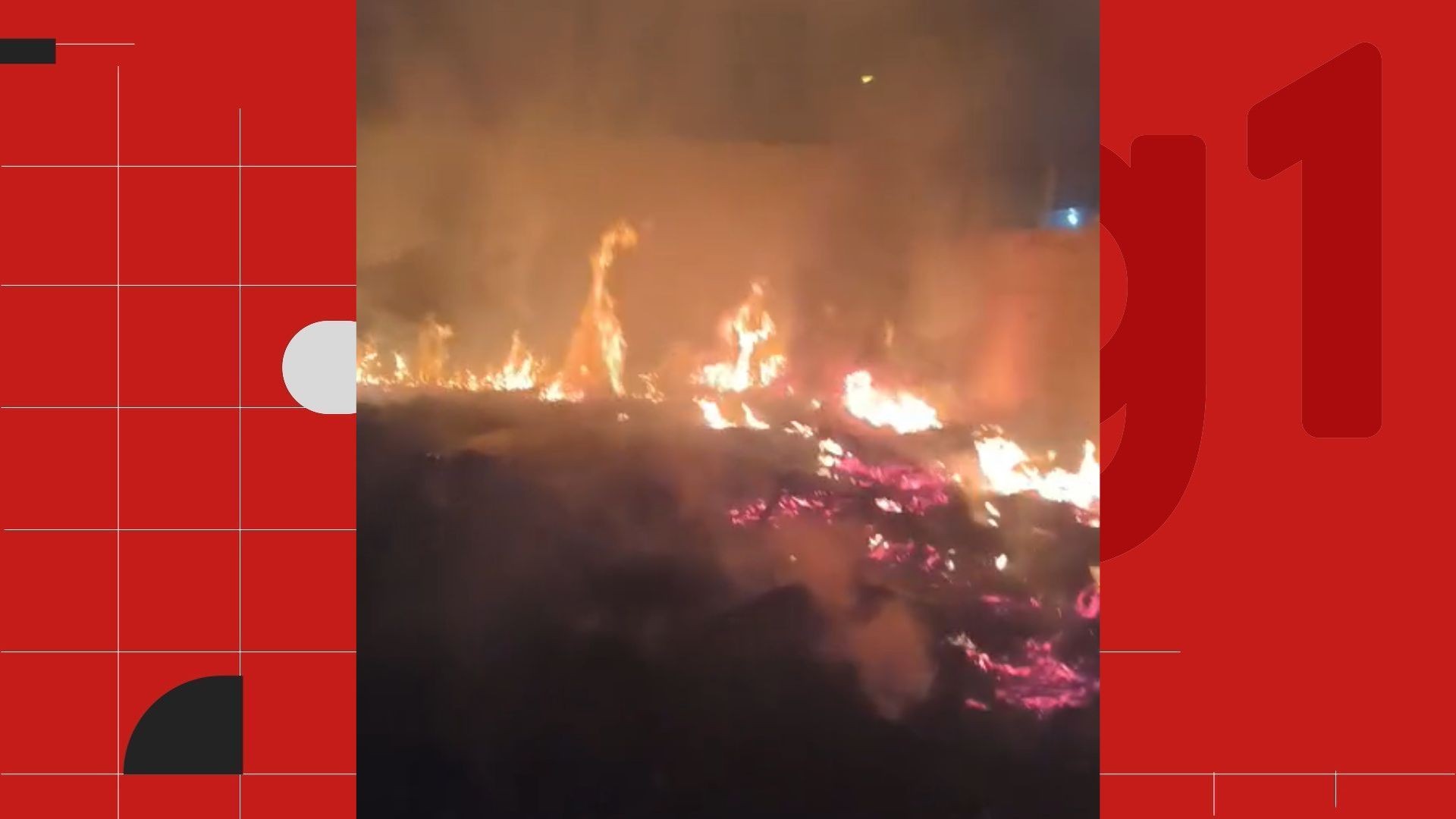
Three separate fires broke out in Marataízes, Espírito Santo, on Saturday, November 11th, posing risks to residential properties, a communication tower, and causing partial closure of the ES-060 highway. Fortunately, no injuries were reported.
The most severe incident occurred at the highway entrance, where a large fig tree was deliberately set ablaze, according to Municipal Civil Defense Coordinator Jones Toledo. Arson is suspected, with individuals allegedly digging near the tree's roots before igniting it. Four water tanker trucks were deployed to combat the flames, but the fire proved difficult to extinguish due to its intensity within the tree. The highway remains partially closed, and the tree is slated for removal on Monday, November 13th, with assistance from energy company EDP and the Fire Department.
Another fire erupted in a development in the Belvedere neighborhood, spreading through vegetation but contained before reaching nearby houses and a communication tower. In Santa Teresa, a fire originating from land clearing nearly engulfed a workshop storing vehicles and diesel oil. While tires on the property caught fire, exacerbating the blaze, the flames were ultimately stopped at the workshop's wall, causing no damage to the owner's business. Civil Defense has issued a warning about the increased frequency of fires during dry seasons, advising against the use of fire for land clearing or waste disposal and urging immediate contact with emergency services in case of an incident.
The series of fires in Marataízes highlights the heightened risk of wildfires during dry seasons, a challenge exacerbated by human activity, including alleged arson and land clearing practices. The incidents underscore the critical need for robust public awareness campaigns regarding fire prevention, particularly in areas with dense vegetation or critical infrastructure like communication towers and major roadways. Effective emergency response, as demonstrated by the deployment of resources, is crucial, but the underlying causes, such as potential negligence or deliberate acts, require investigation and community engagement to mitigate future occurrences. The long-term implications involve not only immediate property and infrastructure protection but also the ecological impact of vegetation loss and the potential strain on municipal resources during periods of increased fire risk.
AI-generated to prompt reflection — not editorial opinion, not advice, not a statement of fact. How this works.