Marcelly Malta Lisboa, LGBTQIA+ rights pioneer, dies at 75
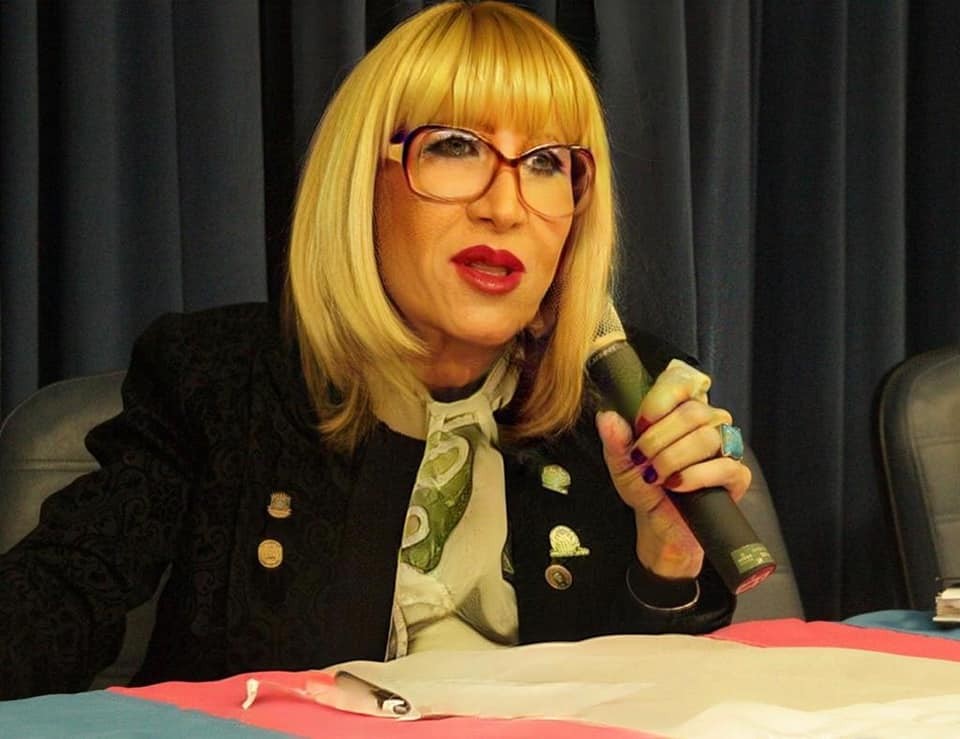
Marcelly Malta Lisboa, a prominent advocate for the rights of transvestite and transgender individuals in Rio Grande do Sul and Brazil, passed away on Saturday, April 4th, at the age of 75. Lisboa, who had comorbidities and had recently been hospitalized, died at her home in Porto Alegre. Her wake was held on Sunday, April 5th, at Casa dos Conselhos, followed by burial at Jardim da Paz Cemetery in Porto Alegre. Born in 1951 in Mato Leitão, she was a former president of Igualdade RS, founded in 1999, and served as vice-president of Rede Trans Brasil, established in 2009. Rede Trans Brasil described her as a "force of nature," a pioneer, and an "unrelenting defender of the dignity, citizenship, and lives of the Brazilian transvestite and transgender population," noting her departure as a "deep blow" to the organization and the LGBTQIA+ movement. The Workers' Party (PT), to which Lisboa was affiliated, also issued a statement, emphasizing the importance of continuing her fight for a Brazil where transvestite and transgender people can live with dignity, respect, and opportunities. The PT's LGBT Secretariat in Porto Alegre highlighted her role in opening pathways for the community in Rio Grande do Sul, her belief in institutional engagement, and her contributions to public policy formulation and human rights training for public security professionals. Lisboa's activism included being the first transvestite person to teach on human rights to Brigada Militar battalions in Rio Grande do Sul. In a 2021 interview, Lisboa expressed pride in reaching 70 years old, noting that the average life expectancy for transvestite individuals nationally and internationally was much lower, around 35.
The passing of Marcelly Malta Lisboa marks the loss of a significant figure in the long-standing advocacy for LGBTQIA+ rights in Brazil. Her pioneering work in challenging societal norms and engaging with institutional structures, particularly within law enforcement and public policy, highlights a strategic approach to advancing human rights. Lisboa's ability to bridge grassroots activism with formal political and educational spheres demonstrates the complex, multi-faceted efforts required to achieve systemic change for marginalized communities. Her emphasis on dignity, citizenship, and life, coupled with her personal achievement of longevity against statistical odds, underscores the profound impact of sustained advocacy and the ongoing need to address the structural barriers that limit life opportunities and safety for trans individuals.
AI-generated to prompt reflection — not editorial opinion, not advice, not a statement of fact. How this works.