Marco Rubio Accuses Daniel Ortega of Authoritarianism After Election Ban
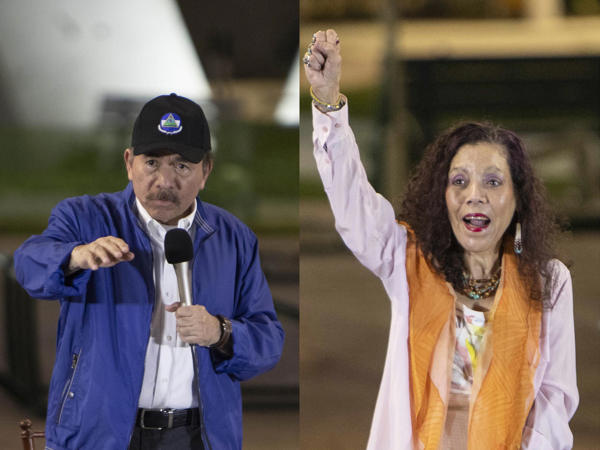
Senator Marco Rubio has accused Nicaraguan President Daniel Ortega of demonstrating his authoritarian nature. Rubio's statement came in response to Ortega's declaration that elections will no longer be held in Nicaragua. This move by Ortega signals a significant shift in the country's political landscape, effectively ending the possibility of future democratic processes. Rubio's criticism highlights international concerns over the erosion of democratic institutions in Nicaragua under Ortega's leadership. The senator's remarks underscore the growing international pressure and scrutiny faced by the Nicaraguan government regarding its governance practices. The decision to cease holding elections raises serious questions about the future political trajectory of the nation and its relationship with democratic norms.
The decision by Nicaraguan President Daniel Ortega to cease holding elections represents a consolidation of power that bypasses established democratic mechanisms. This action may be driven by a desire to maintain political control and avoid electoral challenges, potentially reflecting a calculation of internal stability versus external legitimacy. From a governance perspective, such a move could lead to increased internal dissent and further international isolation, impacting foreign relations and economic opportunities. Looking ahead, this decision could entrench a non-democratic system, posing long-term challenges for political succession and societal development within Nicaragua, while also setting a precedent for other regimes facing similar pressures.
AI-generated to prompt reflection — not editorial opinion, not advice, not a statement of fact. How this works.