Marco Rubio Launches Campaign to Abolish the International Criminal Court
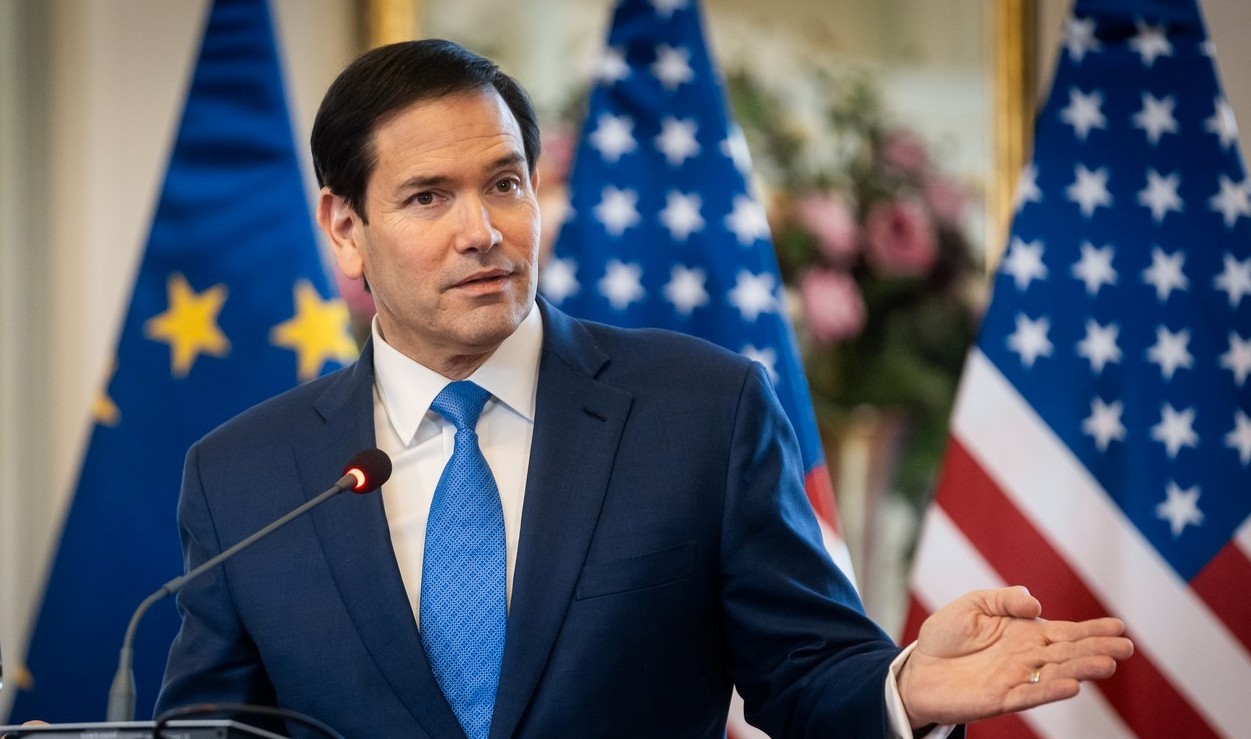
U.S. Secretary of State Marco Rubio initiated a campaign on Monday aimed at dismantling the International Criminal Court (ICC). Rubio argues that the international tribunal encroaches upon U.S. military and law enforcement operations, thereby jeopardizing American sovereignty. He expressed concern that U.S. citizens could be subjected to the jurisdiction of foreign judges. The campaign's launch was reported by The Guardian. Rubio's stance highlights a significant tension between the United States' national interests and the mandates of international legal bodies. The initiative suggests a potential shift in U.S. foreign policy regarding its engagement with global justice mechanisms. This move could have implications for the ICC's future operations and its ability to hold individuals accountable for international crimes.
The U.S. government's potential withdrawal from or dismantling of the International Criminal Court, as advocated by Secretary of State Marco Rubio, reflects a persistent tension between national sovereignty and international legal frameworks. This action, if pursued, could be viewed through the lens of state incentives to retain unfettered discretion over national security and military actions, particularly in contexts where perceived external judicial oversight might constrain operational choices. From a long-term perspective, such a move could weaken the global architecture for accountability for grave international crimes, potentially creating a vacuum that emboldens actors who might otherwise be deterred by the prospect of international legal scrutiny. The U.S. position raises questions about the future efficacy of international justice mechanisms and the willingness of powerful states to submit to multilateral legal norms, especially as geopolitical dynamics evolve.
AI-generated to prompt reflection — not editorial opinion, not advice, not a statement of fact. How this works.