Marcos Admin Prioritizes Predictive Disaster Response with New Infrastructure
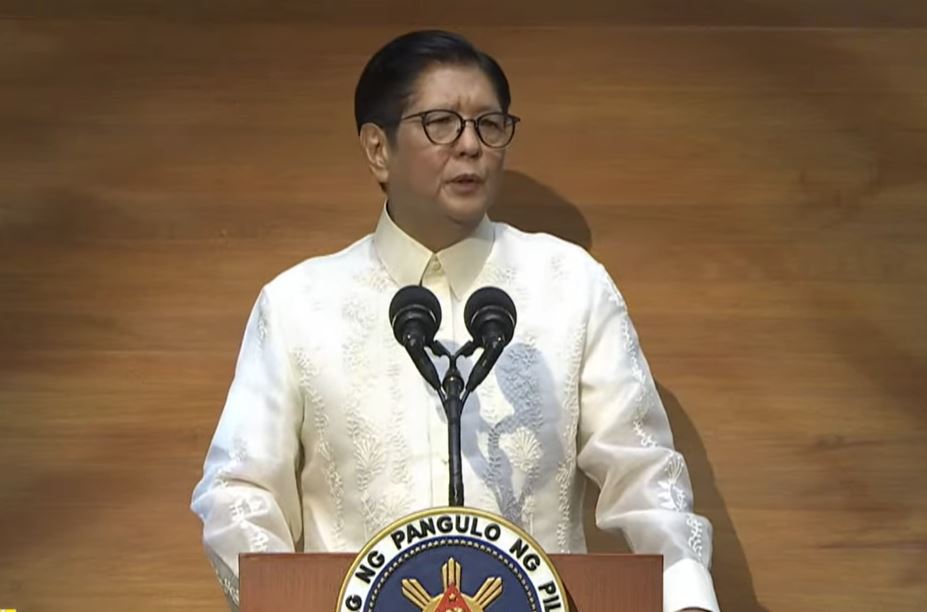
President Ferdinand “Bongbong” Marcos Jr. announced a strategic shift in the Philippine government's approach to disasters, moving from a reactive model to one focused on prediction and preparedness. This new strategy is supported by the establishment of a nationwide disaster response infrastructure network. The primary goal of this network is to significantly expedite the delivery of crucial relief and assistance to communities affected by natural calamities. This initiative aims to enhance the efficiency and speed of aid distribution, ensuring that affected populations receive support more promptly. The administration believes this proactive stance will better mitigate the impact of future disasters. The focus is on building a more resilient system capable of anticipating and responding effectively to crises.
The Philippine government's pivot towards a predictive disaster response framework, supported by a new infrastructure network, signals a recognition of the increasing frequency and intensity of climate-related events. By prioritizing predictive capabilities, the administration aims to optimize resource allocation and minimize response times, potentially reducing the human and economic toll of disasters. This strategic shift could foster greater resilience by enabling earlier interventions and more targeted aid. However, the success of this initiative will depend on robust data analytics, effective early warning systems, and the seamless integration of this new infrastructure with existing disaster management protocols. The long-term challenge lies in ensuring sustained investment and continuous adaptation of these predictive models to evolving environmental conditions and societal needs.
AI-generated to prompt reflection — not editorial opinion, not advice, not a statement of fact. How this works.