Marcos Jr. Seeks Removal of "System Loss" Charges from Electricity Bills
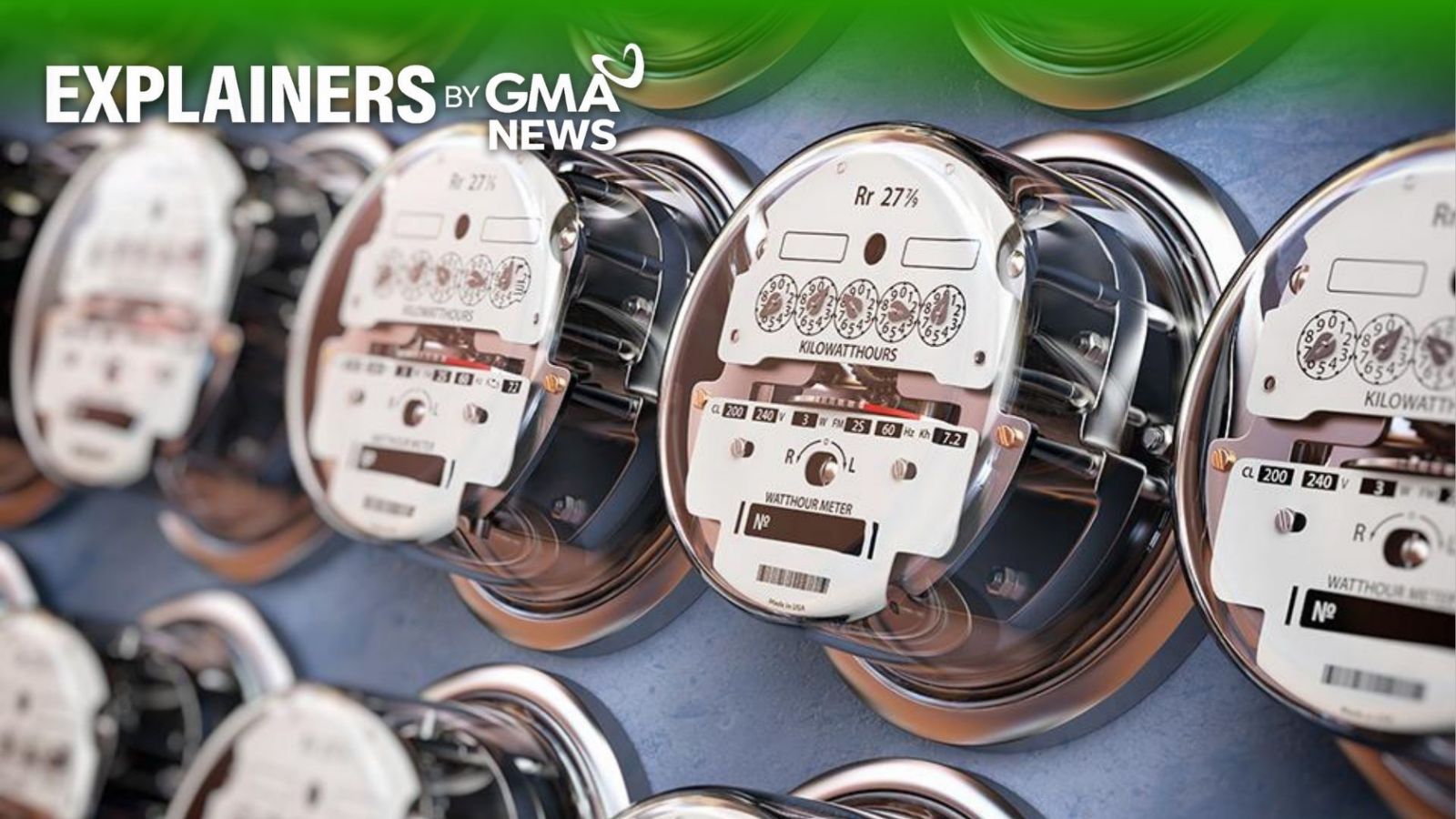
President Ferdinand “Bongbong” Marcos Jr. has called for an amendment to the Electric Power Industry Reform Act (EPIRA) to eliminate "system loss" charges, including the associated value-added tax (VAT), which are currently passed on to electricity consumers. This plea was made during his fifth State of the Nation Address. System loss refers to the electricity that is lost during transmission and distribution from power generation facilities to end-users. These losses can occur due to various factors, including technical issues like heat dissipation in wires and non-technical issues such as electricity theft or metering inaccuracies. Historically, these costs have been incorporated into the monthly electricity bills of consumers, effectively making them bear the burden of these inefficiencies. The President's proposal aims to alleviate this financial strain on households and businesses by removing these charges from the bill. The specific details of the proposed amendment and the mechanism for covering these losses if removed from consumer bills are yet to be fully elaborated.
President Marcos Jr.'s call to remove "system loss" charges from electricity bills addresses a direct consumer cost, potentially impacting household budgets and business operating expenses. This move could be viewed as a response to public pressure regarding utility costs and a broader effort to improve energy affordability. However, the underlying issue of system losses—whether technical or non-technical—remains a fundamental challenge for the power industry. The proposed amendment raises questions about how these unavoidable or preventable losses will be accounted for and funded in the future. Without a clear strategy to mitigate system losses or alternative funding mechanisms, removing these charges might shift the financial burden elsewhere or incentivize less efficient operations within the power distribution sector. Future policy considerations should focus on incentivizing infrastructure upgrades to reduce technical losses and strengthening regulatory oversight to combat non-technical losses, thereby ensuring a more sustainable and equitable energy system.
AI-generated to prompt reflection — not editorial opinion, not advice, not a statement of fact. How this works.