Marcos Jr. to Meet Chinese Envoy Ahead of West Philippine Sea Dispute Discussion
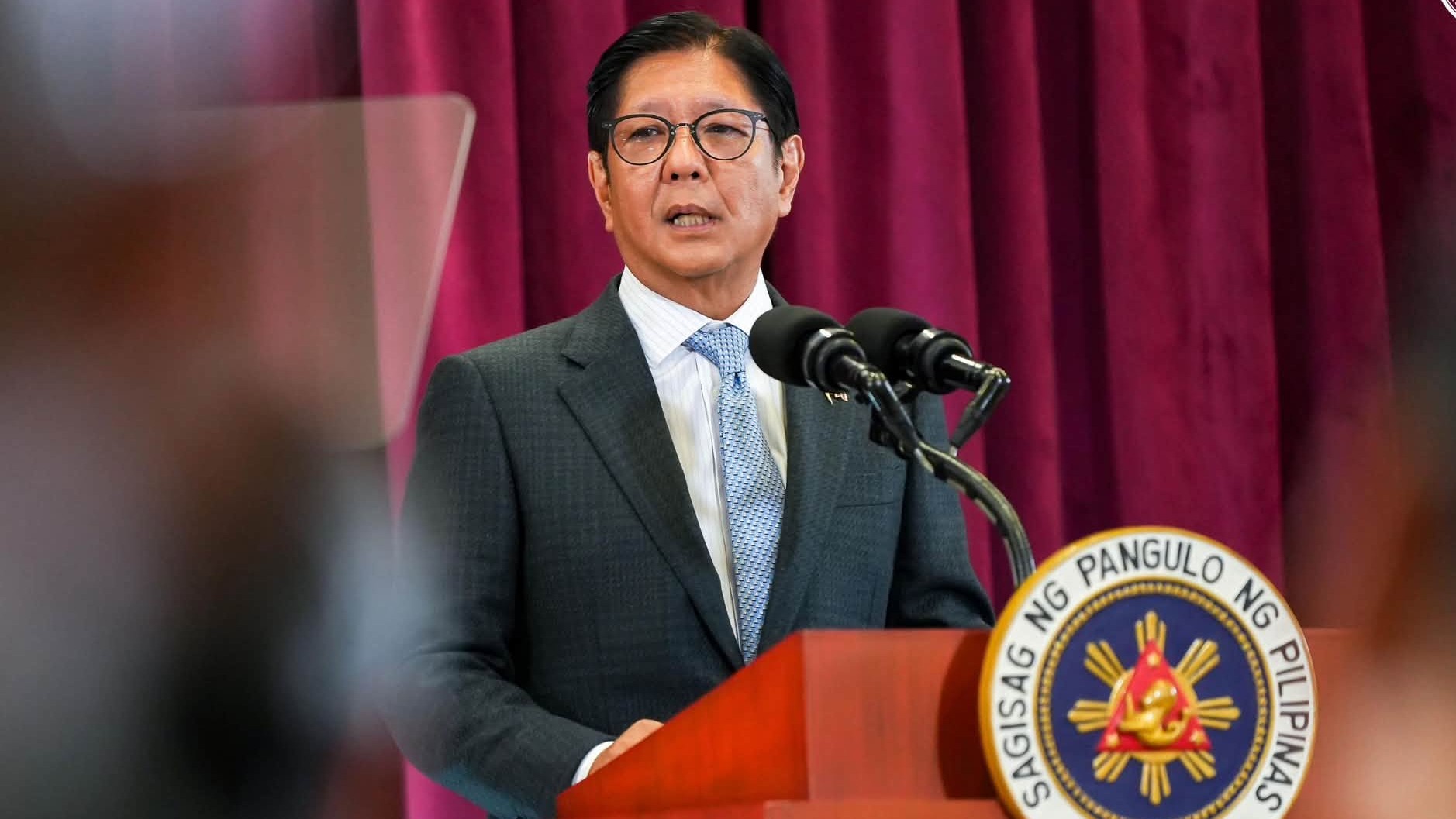
President Ferdinand "Bongbong" Marcos Jr. is slated to meet with Chinese Ambassador to the Philippines Jing Quan at Malacañang on Tuesday afternoon. This meeting comes just one day after both Manila and Beijing engaged in mutual accusations regarding an incident in the West Philippine Sea. The scheduled meeting highlights the ongoing diplomatic engagement between the two nations, even amidst heightened tensions over maritime disputes. The encounter in the West Philippine Sea, which preceded the meeting, involved public statements from both governments. President Marcos Jr.'s administration has been navigating complex relations with China, particularly concerning territorial claims in the South China Sea. The meeting with Ambassador Jing Quan is expected to address these ongoing issues and potentially seek de-escalation or clarification. The Palace confirmed the meeting was set prior to the recent maritime incident, suggesting a pre-existing diplomatic schedule. This interaction underscores the delicate balance the Philippines is maintaining in its foreign policy, particularly concerning its powerful neighbor. The specifics of the West Philippine Sea incident have not been fully detailed, but it has clearly prompted a high-level diplomatic exchange. The meeting signifies an opportunity for direct communication between the Philippine President and the Chinese Ambassador.
The scheduled meeting between President Marcos Jr. and Chinese Ambassador Jing Quan, occurring shortly after a maritime incident and mutual accusations, presents a critical juncture for diplomatic engagement. This interaction highlights the persistent challenge of managing bilateral relations amid territorial disputes, a dynamic influenced by geopolitical competition and resource interests in the South China Sea. The timing suggests an effort to address immediate tensions while also maintaining channels for broader dialogue on complex issues. Future diplomatic strategies will likely involve balancing assertiveness on territorial claims with the pursuit of economic cooperation and regional stability, navigating the inherent trade-offs between national security interests and economic interdependence.
AI-generated to prompt reflection — not editorial opinion, not advice, not a statement of fact. How this works.