Margarine's Origin: Napoleon's Request Sparked a Commercial War
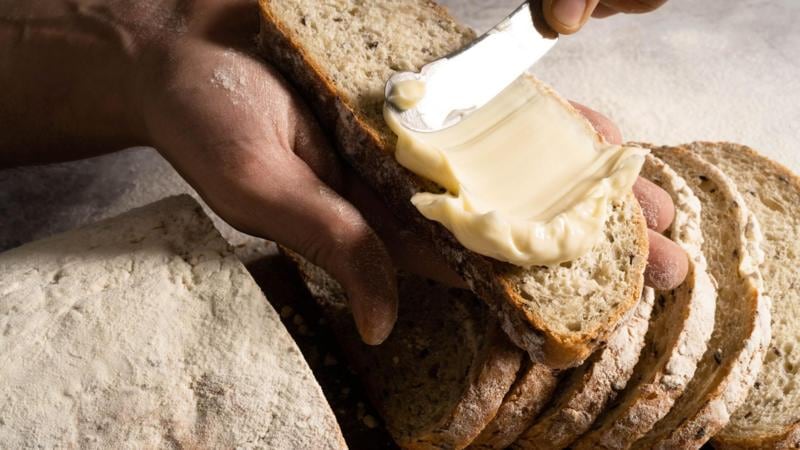
Margarine was invented as a direct response to a request from Emperor Napoleon III of France. He sought an affordable substitute for butter to address shortages and reduce costs for both the military and the general population. In 1869, French chemist Hippolyte Mège-Mouriès developed a process to create a butter-like product from animal fats and skimmed milk. This innovation, initially called "margarine," was patented and later acquired by the Dutch company Jurgens. The invention quickly gained traction, but its success led to intense commercial competition and disputes. The demand for margarine grew significantly, challenging the established dairy industry. This rivalry eventually escalated into what has been described as a commercial war, highlighting the disruptive impact of innovation on existing markets. The initial goal of providing a cheap butter alternative thus paved the way for a complex economic battle.
The invention of margarine, driven by a governmental demand for a cost-effective butter alternative, illustrates how strategic needs can catalyze significant industrial innovation. The subsequent "commercial war" underscores the inherent tension between disruptive technologies and incumbent industries, a dynamic amplified in the modern era by rapid technological advancement. As markets evolve, the challenge lies in balancing the benefits of accessible, affordable products with the economic stability of established sectors. Future market dynamics will likely be shaped by how effectively regulatory frameworks and industry strategies adapt to such disruptive forces, ensuring fair competition while fostering innovation that serves broader societal needs.
AI-generated to prompt reflection — not editorial opinion, not advice, not a statement of fact. How this works.