Maria Bethânia Celebrated as Divine Entity in Bahia Art Exhibition
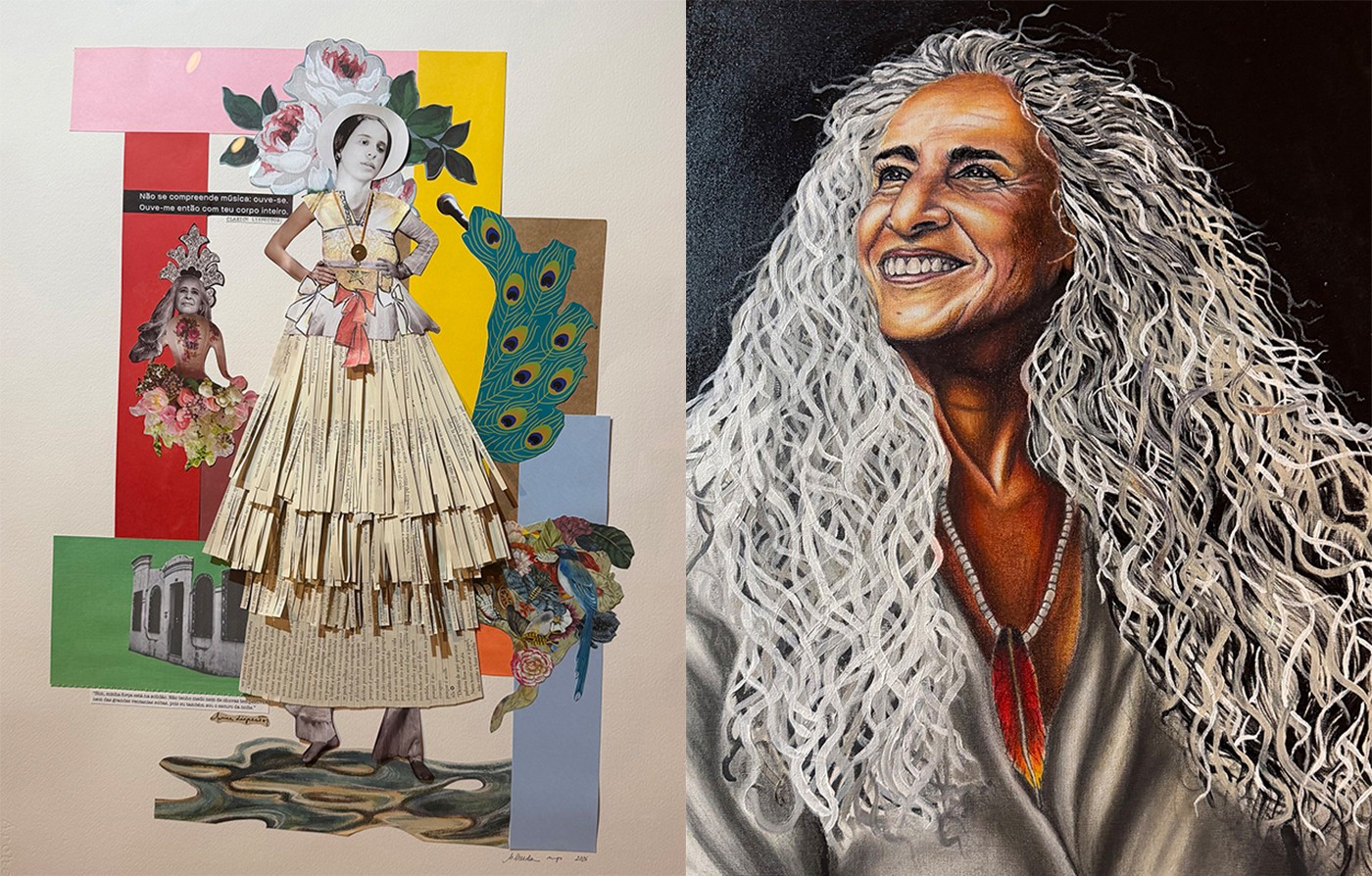
An art exhibition titled 'Abelha rainha – Vida, música, amor e poesia' (Queen Bee – Life, Music, Love, and Poetry) has opened in Salvador, Bahia, celebrating the 80th birthday of renowned Brazilian singer Maria Bethânia. The exhibition, which features works from 25 visual artists, aims to highlight Bethânia's perceived sacred aura and her deep connection to spirituality. This perception of Bethânia as a divine figure within the MPB (Música Popular Brasileira) scene has been noted by figures like Nelson Motta, who referred to Anitta as an "MPB entity" in a context that the author felt was more fitting for Bethânia. The exhibition, inaugurated on Wednesday, July 22nd, at the Me Ateliê da Fotografia gallery, presents photographs, drawings, and paintings that often associate Afro-Brazilian religious symbols with the artist's image. Notable works include Rogério Silva's oil painting on an umbrella titled "Quem é você?" (Who are you?) and Pablo Araújo's drawing on canvas, "Onde mora a luz" (Where light lives), which evokes the singer's intentionally aged appearance on her 1983 album cover "Ciclo." Other artists like Bianca Branco, Manuela Hereda, and Wagner Lacerda also contribute pieces that underscore Bethânia's status as a revered artistic figure, achieved over her 63-year career. The exhibition is open to the public from Friday, July 24th, with free admission, and will run until September 24th. It aims to visually represent the majestic presence that defines Maria Bethânia's existence.
This exhibition frames Maria Bethânia as a "divine entity," a perception amplified by the integration of Afro-Brazilian religious iconography into the artwork. This artistic choice, while celebrating the singer's enduring legacy, taps into cultural frameworks where artistic figures can attain near-sacred status, particularly within the context of MPB. The exhibition's emphasis on her "sacred aura" and spiritual connection, alongside her 80th birthday and extensive career, positions her as a cultural icon whose influence transcends mere musical performance. The framing invites reflection on how society elevates artists to symbolic roles, potentially reflecting a collective need for transcendent figures in popular culture. This approach highlights the interplay between artistic expression, cultural symbolism, and the veneration of public figures, offering a lens through which to view the construction of artistic mythologies in the digital age.
AI-generated to prompt reflection — not editorial opinion, not advice, not a statement of fact. How this works.