Maria Lúcia: RS Skate Prodigy Overcomes Floods, Wins National Circuit
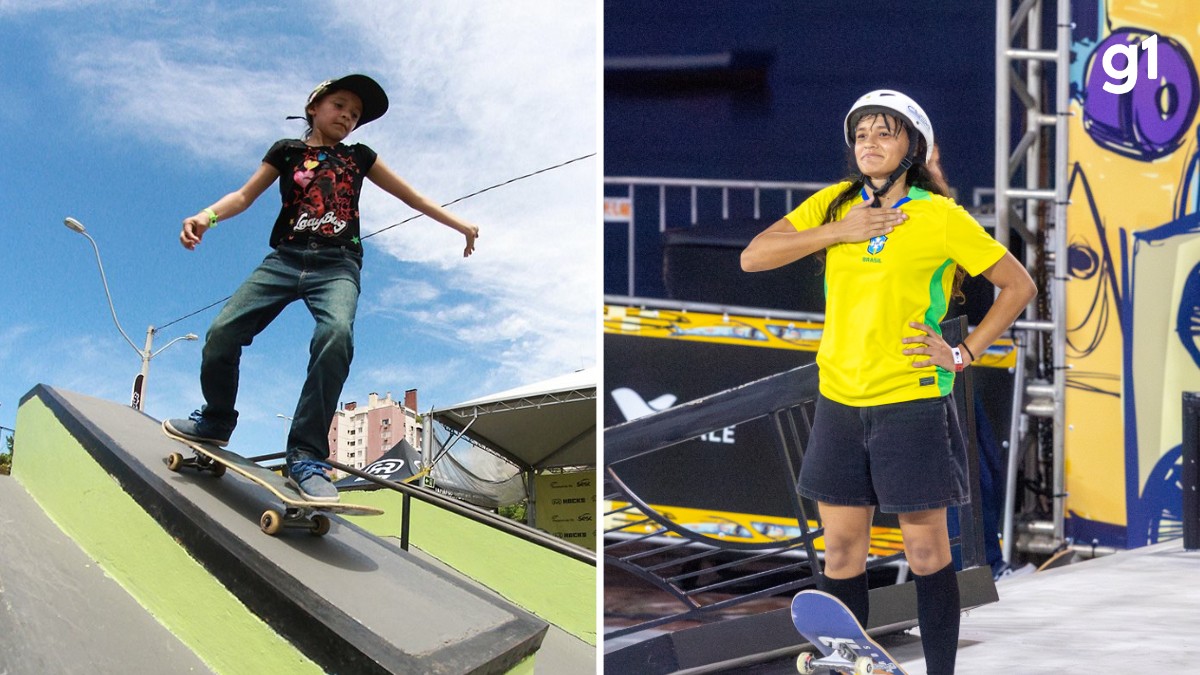
Sixteen-year-old Maria Lúcia Rocha, a promising skateboarder from Canoas, Rio Grande do Sul, has achieved a significant career milestone by winning the STU National circuit, securing victory in three out of five stages. Her journey in skateboarding began informally, accompanying her father to skate parks as a child, initially for recreation. By age 11 or 12, she started training seriously, learning new tricks. Inspired by her father, who was a competitor, Maria Lúcia attended championships before even competing herself, though she was initially very shy. Watching skaters like Rayssa Leal at the Tokyo Olympics motivated her to pursue the sport more intensely, realizing she too could reach that level. Her personal and familial ties to Canoas are deeply intertwined with her skateboarding development. In 2024, the city was severely impacted by floods, which directly affected Maria Lúcia's family, forcing a rescue from their home. Despite these challenges, she debuted in the professional circuit during the 2024 Brazilian championships, held amidst the disaster. The following year, 2025, saw her competing more frequently, achieving second and third-place finishes. A turning point came with a gold medal at the Junior Pan American Games in Paraguay, which provided crucial encouragement. Subsequently, she won a qualifier in Rio de Janeiro, earning a spot in a major competition. In 2026, after a third-place finish in a STU event in Porto Alegre, she refocused her approach, dedicating herself to rigorous training which ultimately led to her championship win. Maria Lúcia also commented on the growth of women's skateboarding, emphasizing the need for increased visibility and support, noting that while appreciation has grown compared to the men's division, more incentives are still required.
The narrative of Maria Lúcia's rise highlights the resilience of individual athletes in the face of significant personal and environmental adversity, such as the 2024 floods in Rio Grande do Sul. Her progression from informal practice to national champion underscores the importance of familial support and inspirational role models in athletic development. The analysis of women's skateboarding suggests a persistent gap in resources and recognition, even as the sport gains traction. Future developments in skateboarding, particularly for female athletes, will likely depend on systemic efforts to increase funding, media coverage, and equitable competitive structures, ensuring that talent can flourish irrespective of gender or socioeconomic background. The integration of skateboarding into major sporting events offers a platform, but sustained growth requires ongoing investment in grassroots programs and professional pathways.
AI-generated to prompt reflection — not editorial opinion, not advice, not a statement of fact. How this works.