Mariana Brecht Uses Climate Fiction at FLIP to Explore Environmental Urgency and Future Imaginaries
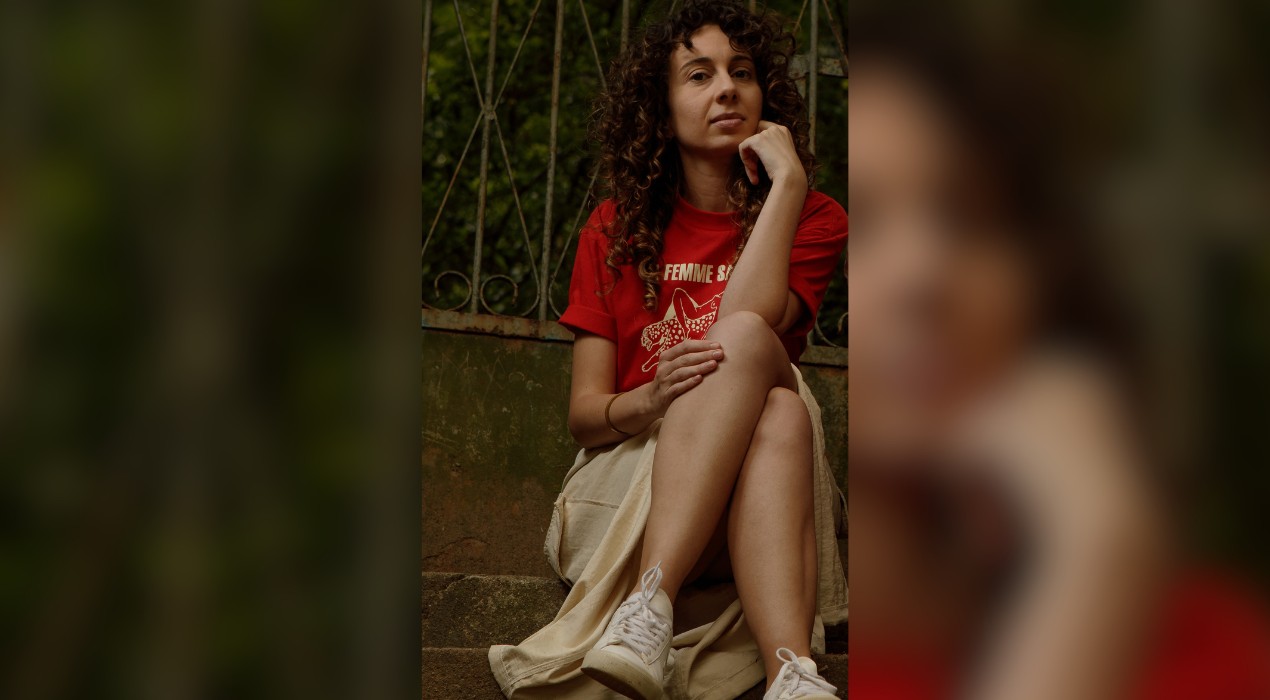
Writer, screenwriter, and game narrative designer Mariana Brecht, 35, is participating in the Paraty International Literary Festival (FLIP) to address environmental urgency and new visions of the future. Brecht, originally from São Roque, SP, was featured in the "Fire and Earth: Climate Literature on Stage" panel on July 23rd, as part of the 2026 edition of FLIP, which concludes on Sunday, July 26th. A finalist for the Jabuti and São Paulo Literature awards, she hopes the environmental debate will positively influence the entire festival, emphasizing that the climate crisis is increasingly difficult to ignore. Brecht sees climate fiction not just as a record of collapse but as a tool for survival and imagination, especially given Brazil's central role in the global ecological discussion. She notes that Brazilian climate fiction draws from a wide spectrum of complex situations, but also carries the responsibility of fostering future imaginaries shaped by the crisis. Despite alarming scenarios, she highlights Brazilian sources of inspiration for healing and survival, including indigenous peoples, quilombola communities, and social movements like the MST. Her adult novel, "Foi Acabar Bem na Nossa Vez" (It Ended Well for Us), set in São Paulo in the mid-2030s, explores 'solastalgia'—the distress caused by environmental destruction—paralleling it with a character's intimate struggles during a romantic reunion. The book aims to show that the environmental crisis is a present reality, not a distant future, and serves as a work of 're-enchantment' with the world. For young audiences, her book "Cyber PANC e Só Zé" subverts cyberpunk pessimism, envisioning a São Paulo reorganized after ecological collapse, where technology fosters harmony between humans and nature. Brecht's background in digital environments, including her Emmy-winning work on virtual reality, informs her 'world building' technique in literature, creating rich and immersive scenarios. Her work promotes 'active hope,' a concept inspired by Paulo Freire, viewing hope as a self-reinforcing force driven by practical actions and collectivity.
Mariana Brecht's participation in FLIP highlights the growing intersection of literature and climate discourse, positioning climate fiction as a critical tool for societal engagement with environmental challenges. Her approach, blending artistic expression with scientific and social realities, underscores the potential for narrative to foster 'active hope' rather than succumbing to eco-anxiety. By drawing on diverse Brazilian cultural elements, Brecht's work exemplifies how localized narratives can offer globally relevant perspectives on sustainability and resilience. The integration of game design principles into her writing suggests a forward-looking trend in narrative creation, leveraging immersive techniques to deepen reader connection with complex themes. This multidisciplinary approach may serve as a model for how creative fields can contribute to public understanding and action on critical issues in the coming decade.
AI-generated to prompt reflection — not editorial opinion, not advice, not a statement of fact. How this works.