Mariana Quintela, 32, Dies in Acre After Battling Lung Cancer Post-Cervical Cancer Treatment
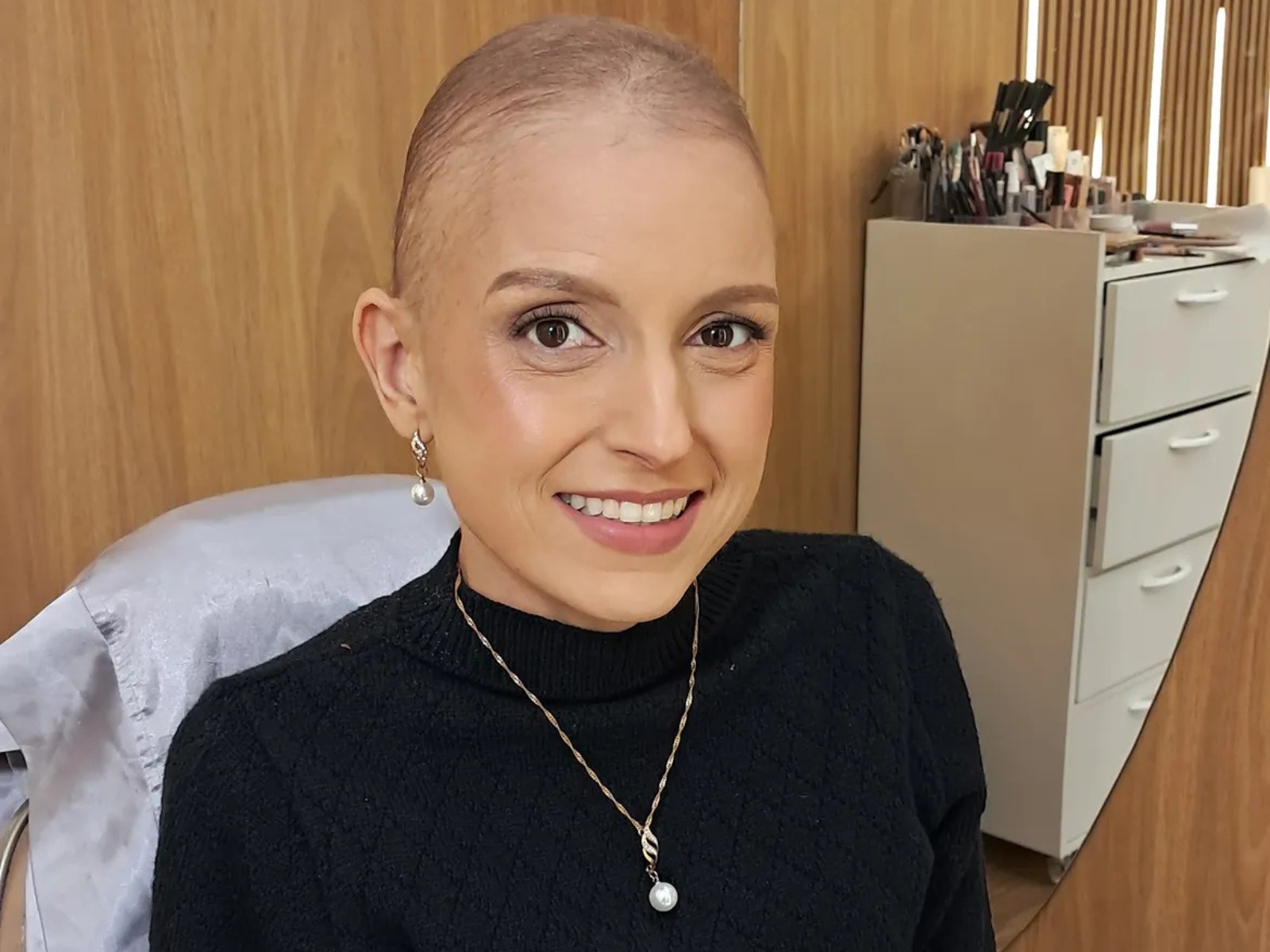
Mariana Quintela, a 32-year-old entrepreneur from Rio Branco, Acre, has passed away after a battle with lung cancer, which emerged shortly after she underwent treatment for cervical cancer. Her story gained public attention in February of this year through reporting by g1 and Rede Amazônica. The announcement of her death was made on her social media profile on Wednesday evening, May 15th. Her wake was scheduled for Wednesday night at Capela São Francisco, with her burial set for Thursday morning, May 16th, at Cemitério São João Batista.
Quintela was initially diagnosed with cervical cancer in May 2023, undergoing surgery in August. During this procedure, further examinations revealed the cancer had already spread, and her treatment concluded in January 2024. However, in November of the previous year, she received a new diagnosis of cancer in her respiratory system. She had previously shared her struggles with the intense side effects of chemotherapy, including fatigue, nausea, vomiting, and weakness, describing the daily challenge of fluctuating well-being and the emotional toll of the treatment. She also detailed the initial symptoms of her cervical cancer, which included severe abdominal pain and irregular bleeding, leading to diagnoses of endometriosis, HPV, and cellular alterations before the biopsy confirmed the cancer.
Her subsequent treatment involved chemotherapy and immunotherapy, bringing new side effects like hair loss. Despite the arduous treatment, Quintela had expressed a desire to postpone a session to spend Christmas 2025 with her family. Her mother, Lucilene Quintela, has been a constant source of support, describing her role as needing to be a fortress for her daughter and relying on faith to sustain them through the difficult journey.
This narrative highlights the critical importance of comprehensive cancer screening and follow-up protocols, particularly for individuals with a history of oncological disease. The progression from cervical to lung cancer in a young patient underscores the complex interplay of genetic predispositions, environmental factors, and potential treatment-related sequelae. Future public health strategies might consider enhanced surveillance for secondary malignancies in cancer survivors, especially in regions with varying access to advanced diagnostic technologies. Understanding the systemic vulnerabilities that allow for such rapid progression is crucial for developing more effective, proactive healthcare interventions in the coming decade.
AI-generated to prompt reflection — not editorial opinion, not advice, not a statement of fact. How this works.