Maricá Airport Sees Explosive Growth, Becoming Key Logistics Hub for Pre-Salt Oil Industry
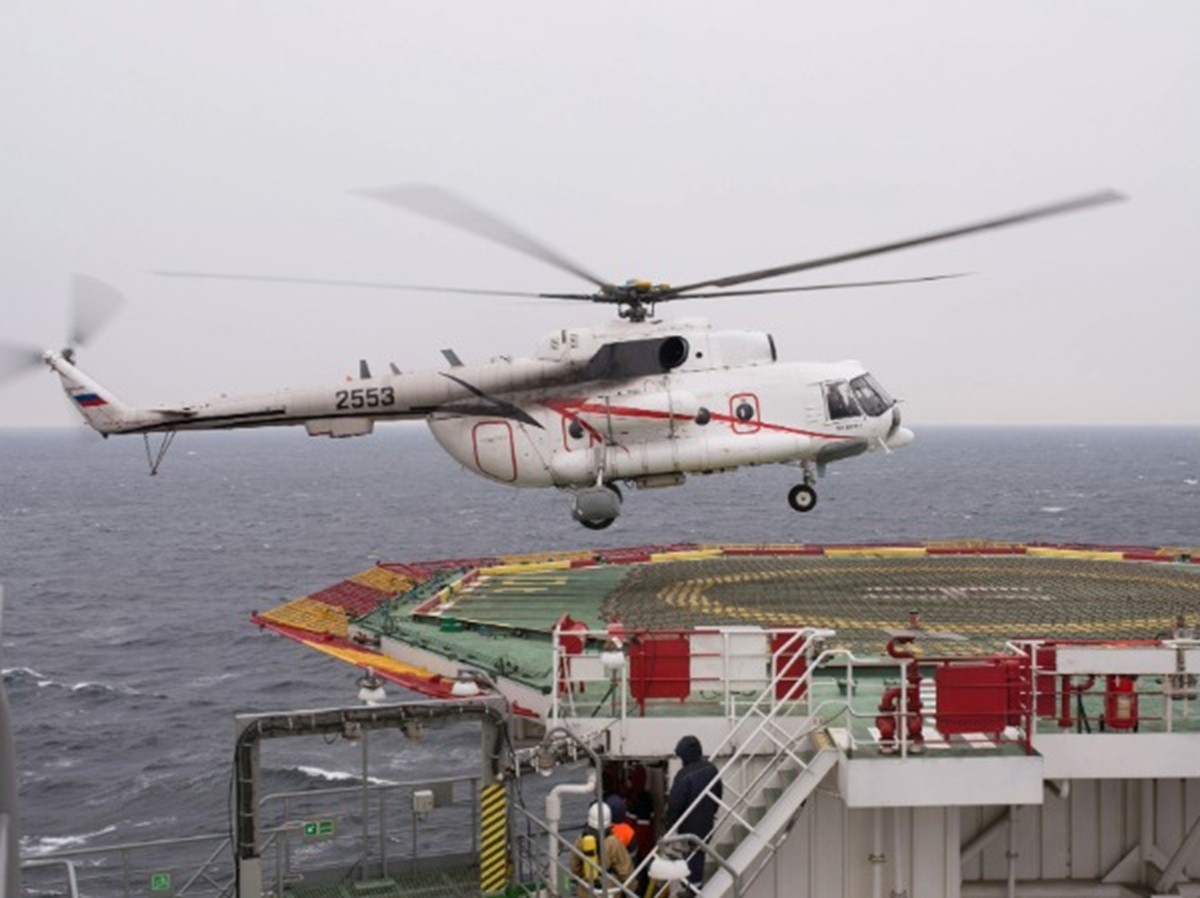
The Maricá Airport, located in the Rio de Janeiro Metropolitan Region, has experienced a remarkable 396% surge in offshore worker transportation between 2022 and 2024, establishing itself as a significant player in the air logistics for the oil and gas industry. In 2024 alone, the airport facilitated the travel of 69,000 offshore workers, a substantial increase from the 14,000 passengers recorded in 2022. This growth represents nearly a fivefold increase and is the most significant expansion observed by the Macroregional Program for Aircraft Traffic Characterization (PMCTA).
The PMCTA, which for the first time consolidates data from ten oil and gas operators, reveals that the monitored system transported a total of 2.58 million passengers across the Campos, Santos, and Espírito Santo basins from 2022 to 2024, marking a 21% increase in overall passenger movement. Thalita Furtado, coordinator of the PMCTA, emphasized the critical role of logistical infrastructure in supporting offshore operations, noting that thousands of workers rely on a complex network involving airports, ground transport, and accommodation before reaching platforms.
In contrast, the Joaquim de Azevedo Mancebo Airport in Macaé saw a 19% decline in passenger traffic, dropping from 121,000 in 2022 to 98,000 in 2024, suggesting a shift in operational routes. Meanwhile, the Farol de São Tomé Heliport remains the primary offshore transport base, handling 980,000 passengers in the analyzed period, with 380,000 in 2024, a 36% increase from 2022. Notably, 90% of passengers using this heliport are destined for oil and gas operations, highlighting its sector-specific focus. The PMCTA, funded by Petrobras and conducted by Ibama, aims to further investigate the factors influencing these passenger flow changes.
The significant growth of Maricá Airport as a logistics hub for the pre-salt oil industry, contrasted with declines in other established centers like Macaé, highlights evolving operational efficiencies and strategic resource allocation within the sector. This shift underscores the dynamic nature of infrastructure development driven by resource extraction, where proximity and logistical cost-effectiveness can rapidly redefine regional importance. As the industry navigates the energy transition and increasing technological complexity in offshore operations, the resilience and adaptability of supporting infrastructure, such as airports and heliports, will be crucial. Future planning should consider how these logistical nodes can diversify their utility beyond a single industry to mitigate risks associated with commodity price volatility and the long-term sustainability of fossil fuel extraction.
AI-generated to prompt reflection — not editorial opinion, not advice, not a statement of fact. How this works.