Maricá Hit by 80km/h Winds, Causing Tree Falls and Power Outages
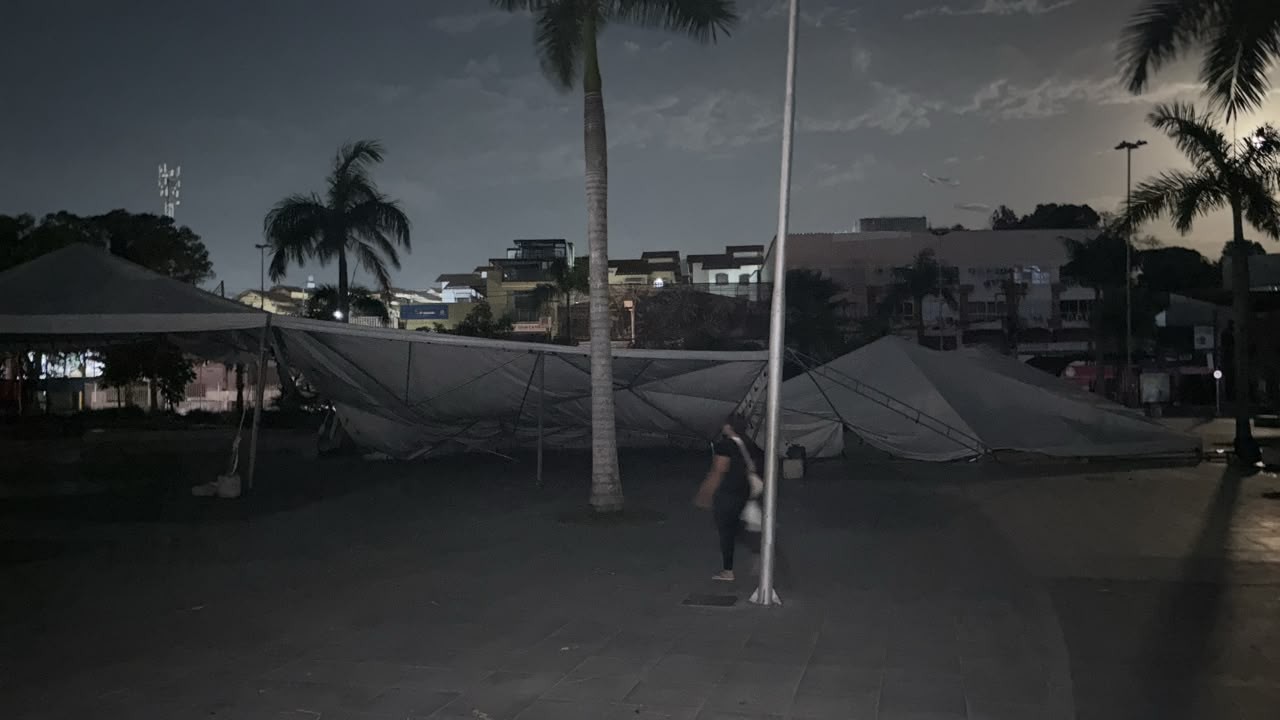
Strong gusts of wind exceeding 80 km/h swept through Maricá, a city in the Rio de Janeiro Metropolitan Region, on Wednesday, November 29th. The intense winds resulted in 15 incidents that required intervention from the Civil Defense. The majority of these incidents involved trees and branches falling onto public roads, affecting neighborhoods such as Caxito, Inoã, Itaocaia Valley, Ponta Negra, Serra do Mato Grosso, and São José do Imbassaí. While most affected areas have been cleared, the removal of a large tree blocking a road in Recanto de Itaipuaçu was still ongoing. The winds also caused damage to the electrical grid, with trees falling on power lines and disrupting electricity supply. As of Thursday morning, November 30th, some residents were still without power. In Santa Paula, a district within Inoã, a property sustained structural damage attributed to the winds, prompting a request for inspection by a technical team. Drivers on the RJ-106 highway encountered obstacles, including fallen tree debris and a water tank lid that landed on the road near Inoã, causing traffic disruptions. Tents set up for an event at Praça Orlando de Barros Pimentel were also overturned. The Maricá Airport recorded wind speeds surpassing 80 km/h. Moderate winds with potential for strong gusts are forecast to continue for Thursday, November 30th, according to the Natural Disaster Monitoring Center (CEMADEN-RJ).
The event highlights the vulnerability of urban infrastructure to extreme weather phenomena, exacerbated by the density of trees and exposed electrical systems. While emergency services responded effectively to 15 reported incidents, the recurring issue of falling trees and power outages points to potential systemic challenges in urban planning and maintenance, particularly in managing green spaces and reinforcing utility networks against increasingly frequent high-wind events. The damage to a residential property and the disruption on a major highway underscore the need for proactive risk assessment and mitigation strategies. Looking ahead, cities like Maricá may need to invest in more resilient infrastructure, advanced weather monitoring, and public preparedness campaigns to adapt to the projected increase in severe weather patterns driven by climate change, ensuring the safety and continuity of essential services.
AI-generated to prompt reflection — not editorial opinion, not advice, not a statement of fact. How this works.