Marina Silva criticizes Tarcísio Freitas' 'double standards' on candidacies in São Paulo
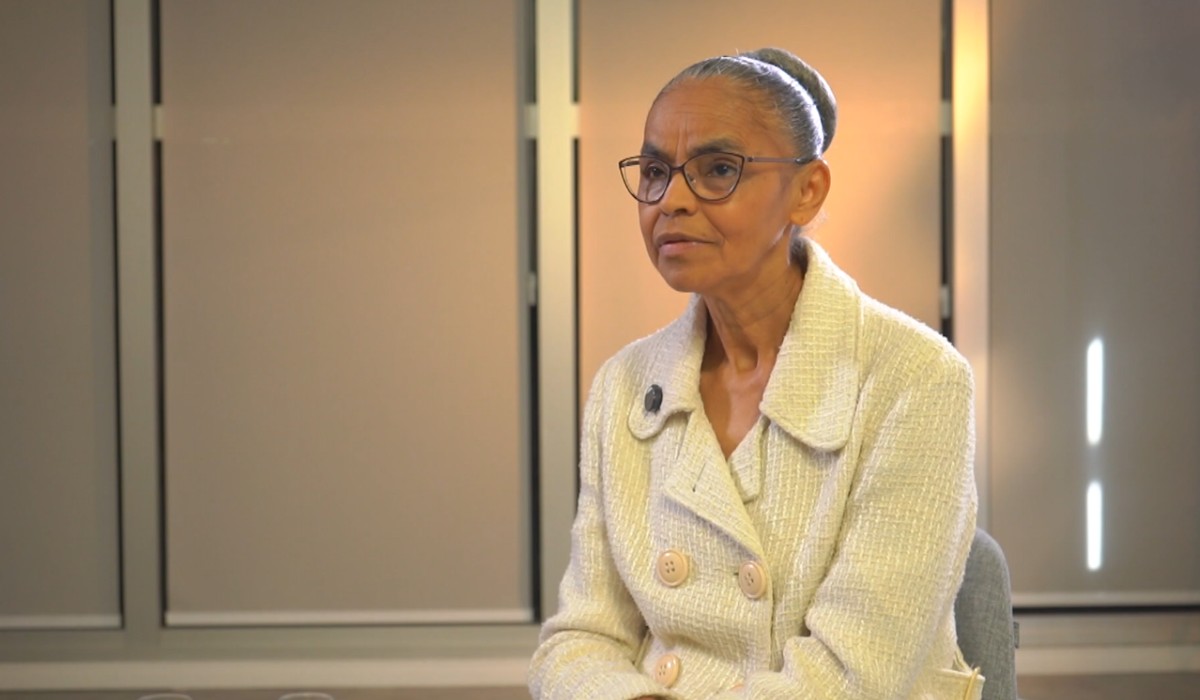
Marina Silva, a pre-candidate for the Senate representing Rede, has responded to criticism from São Paulo Governor Tarcísio de Freitas regarding her and Simone Tebet's candidacies in the state for the 2026 elections. In an exclusive interview with g1 Campinas on Thursday, May 9th, Silva highlighted that Freitas, who was born in Rio de Janeiro and elected governor of São Paulo, is applying "two weights and two measures" by questioning their candidacies. She stated that Freitas's stance is more revealing of his own position than of her or Tebet's intentions. Freitas had previously criticized the electoral ambitions of Silva and Tebet (MDB), who are also pre-candidates for the Senate in São Paulo, via social media posts by his ally Guilherme Derrite. Silva suggested that Freitas's criticism stems from a belief that his own political career in São Paulo is natural, while theirs is not, pointing to what she perceives as prejudice against women in politics. She argued that women are often treated as "foreigners" in positions of power, despite their ability to establish themselves anywhere. Silva, originally from Acre, has been a federal deputy for São Paulo since 2022, while Tebet, from Mato Grosso do Sul, is running for office in São Paulo for the first time. Both currently lead polls for Senate seats in the state. Silva also emphasized São Paulo's history of welcoming people from across Brazil and even from other countries, referencing that Freitas himself built his political career there after being born in Rio de Janeiro. She concluded by reiterating that São Paulo has welcomed many, including President Lula and Governor Freitas, who now seems to apply inconsistent standards to her and Tebet.
This exchange highlights the political maneuvering and identity politics often present in electoral campaigns. Governor Freitas's critique of non-native candidates, while himself being a non-native elected official, raises questions about the consistency of his arguments and potential strategic framing. Marina Silva's response, framing the criticism as gender-based prejudice and a double standard, introduces a narrative of inclusivity and challenges established norms of political eligibility based on origin. The situation underscores the complex interplay of regional identity, political ambition, and gender dynamics in Brazilian politics, suggesting that candidates may leverage diverse arguments, including perceived biases, to gain electoral advantage and mobilize support bases. The differing perspectives reveal underlying tensions regarding who is considered a legitimate representative for a state like São Paulo, a major economic and demographic hub.
AI-generated to prompt reflection — not editorial opinion, not advice, not a statement of fact. How this works.