Marinakis' Sharp Criticism of Samaras, Referencing TV Show 'Retire'
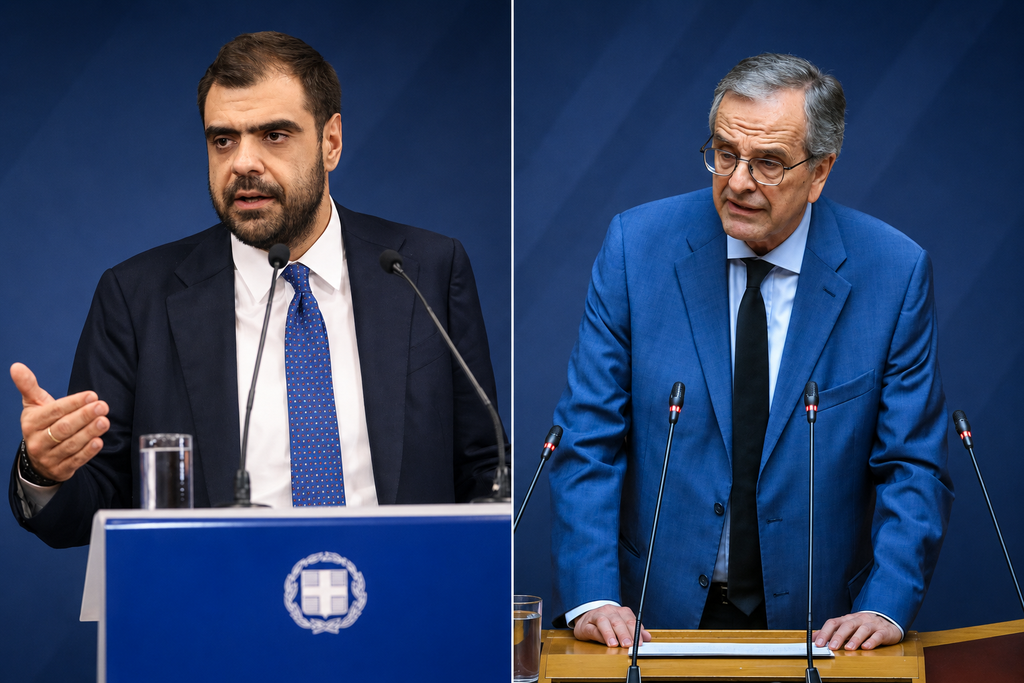
Shipping magnate Evangelos Marinakis has issued a sharp critique of former Greek Prime Minister Antonis Samaras. Marinakis' comments were made in response to recent statements by Samaras. The shipping tycoon's remarks included a pointed reference to the popular Greek television series "Retire" (Retiré). This show, which aired in the 1990s, depicted the lives of wealthy families and their social dynamics. Marinakis' invocation of the show suggests he is drawing parallels between contemporary political figures and the characters or themes presented in the series. The exact nature of Samaras' original statements has not been detailed, but Marinakis' response indicates a significant disagreement or perceived misrepresentation. The context implies a public dispute between prominent figures in Greek business and politics. Marinakis' use of a cultural reference aims to frame his criticism in a way that resonates with a Greek audience familiar with the show's legacy. The exchange highlights ongoing tensions and differing perspectives within the Greek establishment.
This exchange between Evangelos Marinakis and Antonis Samaras, framed by a reference to a 1990s television drama, illustrates a dynamic where public discourse leverages cultural touchstones to convey complex political or personal critiques. The use of such references can serve to simplify nuanced disagreements into easily digestible narratives, potentially appealing to a broader audience familiar with the cultural context. However, it also risks oversimplification and can obscure the underlying substantive issues at play. From a systems perspective, the interplay between media figures, political actors, and cultural narratives shapes public perception and can influence political capital. Future analyses should consider how such symbolic communication aligns with or diverges from policy debates and economic realities, particularly in the context of evolving media landscapes and increasing digital influence on public opinion.
AI-generated to prompt reflection — not editorial opinion, not advice, not a statement of fact. How this works.