Marine Cloud Brightening Could Disrupt El Niño, Altering Global Weather
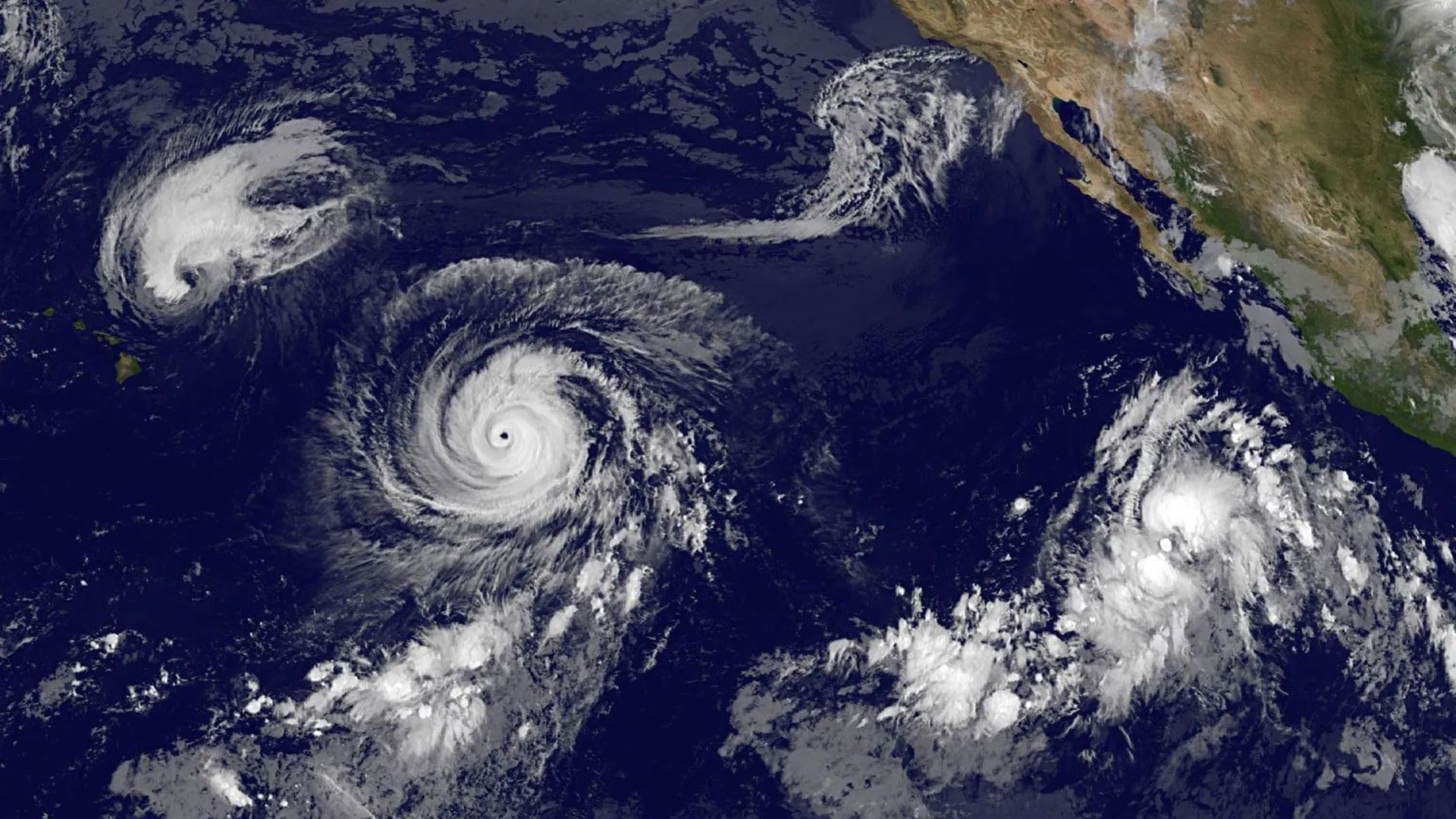
A recent study has revealed that certain geoengineering techniques designed to combat climate change could have unintended and significant global consequences. Specifically, brightening marine clouds over the eastern Pacific Ocean has the potential to substantially weaken the El Niño cycle. This weakening, in turn, could lead to widespread alterations in global weather patterns. In contrast, another geoengineering method, stratospheric aerosol injection, showed minimal impact on the climate system in the same study. The researchers emphasize that these findings serve as a critical warning. They highlight the potential for unforeseen outcomes if humanity attempts to cool the planet through geoengineering without a comprehensive understanding of the Earth's complex climate mechanisms.
This research underscores the intricate feedback loops within Earth's climate system, suggesting that interventions like marine cloud brightening, while intended to mitigate warming, carry substantial risks of disrupting major climatic phenomena such as El Niño. The study's findings prompt consideration of the governance challenges inherent in deploying geoengineering technologies. Decisions to implement such large-scale interventions require robust international consensus and a deep, predictive understanding of potential cascading effects across diverse global regions. The potential for unintended consequences necessitates a cautious, phased approach, prioritizing comprehensive modeling and transparent risk assessment over rapid deployment, especially given the long-term implications for global weather stability and regional climate patterns.
AI-generated to prompt reflection — not editorial opinion, not advice, not a statement of fact. How this works.