Marine Le Pen Appeals Ruling, Kicks Off Campaign Without Restrictions
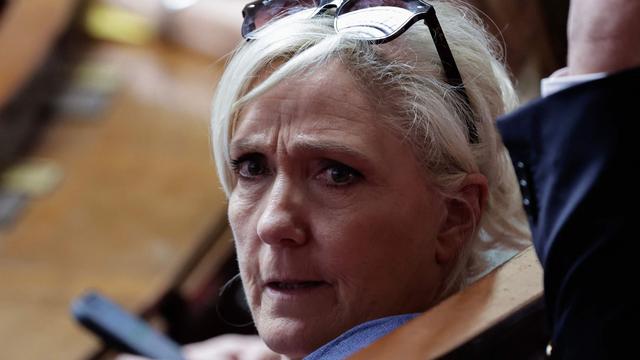
French far-right politician Marine Le Pen has filed an appeal against a court ruling that placed her under judicial supervision, potentially impacting her ability to participate in political activities. The decision by the Court of Appeal in Paris requires Le Pen to be placed under judicial supervision, a measure that typically involves restrictions on movement and communication. This development comes as Le Pen officially launches her campaign for the upcoming legislative elections. The appeal means that the judicial supervision order is suspended pending a further review by the Court of Cassation, France's highest court for civil and criminal matters. Le Pen's legal team expressed confidence that the appeal would be successful, allowing her to campaign freely. The specific charges or reasons for the initial judicial supervision were not detailed in the provided information. However, such measures are often imposed in ongoing investigations. Le Pen, a prominent figure in French politics and leader of the National Rally party, has faced various legal challenges throughout her career. The timing of this legal development, coinciding with the start of her election campaign, has drawn significant attention.
This situation highlights the complex interplay between legal proceedings and political participation in France. The judicial supervision, even if temporary due to the appeal, introduces a layer of scrutiny that can influence public perception and campaign dynamics. Le Pen's ability to navigate these legal challenges while simultaneously campaigning underscores the resilience of established political figures and the mechanisms within the French legal system that allow for due process and continued civic engagement. The outcome of the appeal will be crucial in determining the extent to which legal entanglements may shape future electoral landscapes, particularly in the context of evolving political discourse and the increasing scrutiny of public figures.
AI-generated to prompt reflection — not editorial opinion, not advice, not a statement of fact. How this works.