Marine Le Pen's 2027 presidential bid dominates far-right landscape
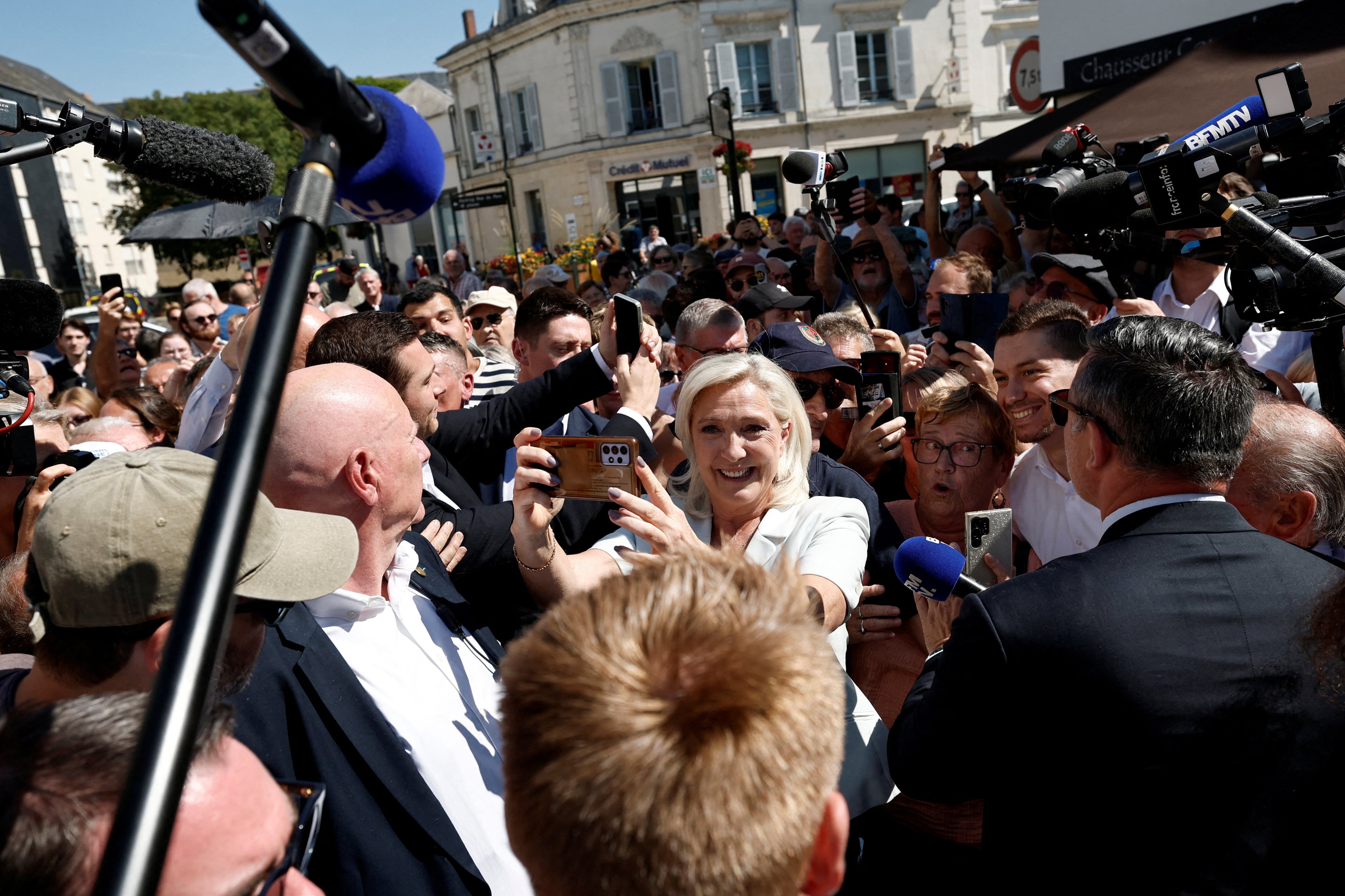
Marine Le Pen, the leader of the National Rally (Reagrupamiento Nacional), is poised to dominate the far-right political spectrum in France's 2027 presidential elections. Her candidacy significantly diminishes the already limited opportunities for other, more radical far-right factions to gain traction. The political landscape is increasingly consolidated around Le Pen's established party, making it challenging for newer or more extreme movements to emerge or compete effectively. This concentration of influence suggests a strategic consolidation of the far-right vote under a single, prominent figure. The implications for the broader French political scene remain to be seen, but Le Pen's central role is undeniable. Other parties on the extreme right face a considerable uphill battle to carve out a significant presence. The focus is now on how these smaller groups will navigate this environment and whether they can find alternative strategies to influence the political discourse or mobilize their supporters. The upcoming election cycle is likely to be heavily shaped by the National Rally's established position.
Marine Le Pen's dominant position in the French far-right reflects a broader trend of consolidation within populist movements globally. This consolidation, while potentially increasing electoral efficiency for the main faction, can stifle internal ideological diversity and innovation. For smaller, more radical groups, the challenge lies in differentiating themselves without alienating a potential voter base already drawn to a more established figure. Future political dynamics may see these fringe groups either attempting to co-opt Le Pen's platform, seeking niche issues to mobilize support, or potentially fracturing further as their influence wanes. The long-term sustainability of such consolidated platforms depends on their ability to adapt to evolving societal concerns beyond their core base, especially in the context of increasing global interconnectedness and the rise of digital political discourse.
AI-generated to prompt reflection — not editorial opinion, not advice, not a statement of fact. How this works.