Marine Le Pen's Rise: From Father's Shadow to National Front Leadership
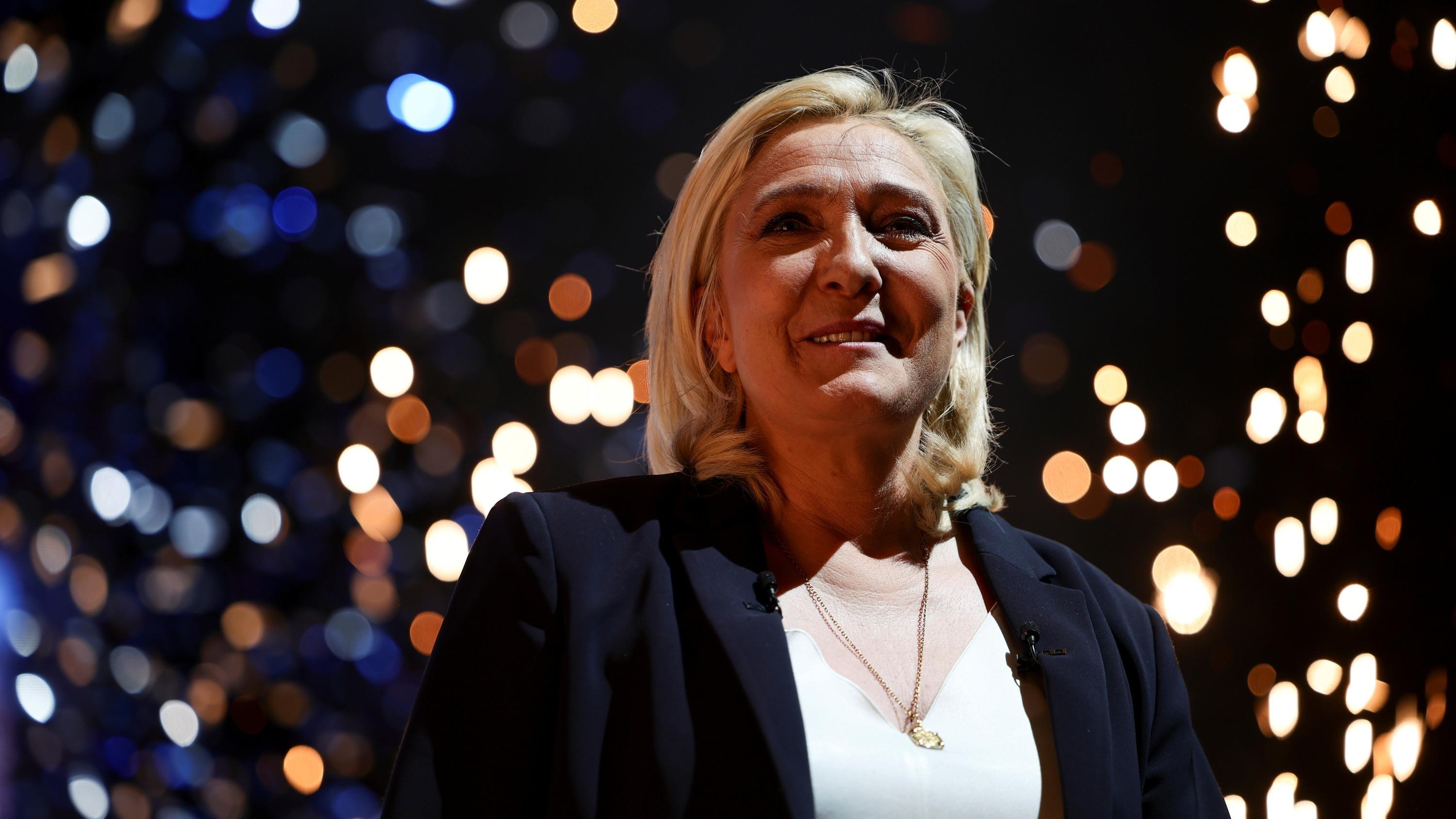
Marine Le Pen, the youngest daughter of Jean-Marie Le Pen, was propelled into the political spotlight following early difficulties experienced by her elder sister. She honed her political skills by observing her father's career and gradually carved out a significant position within the nationalist movement. Her ascent culminated in her taking leadership of the Front National (FN) in 2011. This trajectory highlights her strategic positioning and ambition within the party founded by her father. Her early experiences provided a foundation for her later political dominance.
Marine Le Pen's political ascent within the Front National, from observing her father to assuming leadership, illustrates a common dynastic pattern in political parties. This succession highlights the interplay between familial legacy and individual ambition in shaping political movements. The party's evolution under her leadership, moving from her father's direct influence, suggests a strategic adaptation to contemporary political landscapes, aiming to broaden its appeal while maintaining its core ideological tenets. Future analysis should consider how such leadership transitions impact party cohesion and electoral strategies in the long term, particularly in the context of evolving national identities and global political trends.
AI-generated to prompt reflection — not editorial opinion, not advice, not a statement of fact. How this works.