Market Inspections Yield Fines but Fail to Protect Consumers
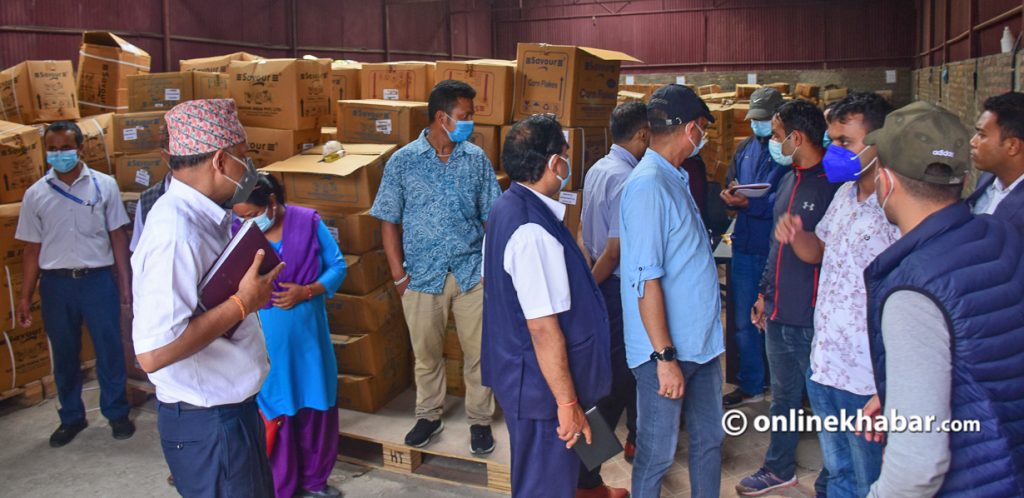
The Nepali government has conducted market inspections, resulting in the collection of 26.1 million Nepalese Rupees (NPR) in fines and the inspection of thousands of shops. While these figures might be presented as a significant achievement by the government, they have not translated into tangible benefits for consumers. The inspections have not led to cheaper or higher-quality goods entering the kitchens of ordinary people. Despite the government's efforts to fine businesses, the core issue of consumer exploitation appears to remain unaddressed. The data on shop inspections and fines collected does not reflect an improvement in the availability of affordable and quality products for the public. This suggests a disconnect between regulatory actions and their intended impact on consumer welfare. The fines collected do not seem to have incentivized businesses to improve product quality or pricing for the benefit of consumers.
The reported market inspections and subsequent fines highlight a common governance challenge: the efficacy of punitive measures versus systemic consumer protection. While collecting significant fines may appear as a government success, it does not inherently guarantee improved market outcomes for consumers. This approach could indicate a focus on revenue generation or superficial compliance rather than addressing the root causes of consumer exploitation, such as inadequate quality control standards, supply chain inefficiencies, or anti-competitive practices. In the long term, sustainable consumer welfare likely requires a shift towards proactive regulatory frameworks that encourage fair competition, transparency, and product safety, rather than relying primarily on post-violation penalties. The current strategy may create a cycle where businesses pay fines and continue existing practices, leaving consumers vulnerable to ongoing price gouging and quality issues.
AI-generated to prompt reflection — not editorial opinion, not advice, not a statement of fact. How this works.