Market Laws and Lessons from the Past: Sloukas's Move to Panathinaikos
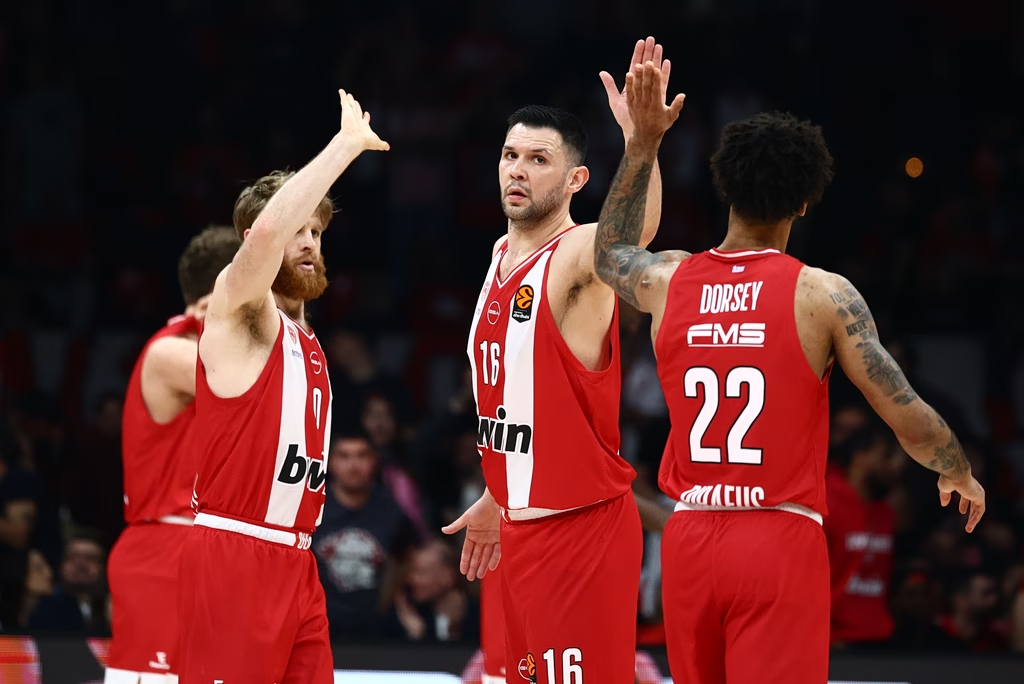
In the summer of 2023, Kostas Sloukas and Olympiacos entered negotiations regarding his future. However, the club failed to address the core issues of the player's concerns, leading Sloukas to make a significant decision to move to rival team Panathinaikos. This transfer represented more than just the departure of a key player for Olympiacos; it highlighted the club's inability to anticipate future trends and player motivations within the competitive basketball landscape. The situation underscores the complex interplay of player aspirations, club strategies, and the inherent dynamics of professional sports contracts. Navigating these elements requires a forward-thinking approach to retain talent and maintain competitive advantage. The decision by Sloukas to cross the 'Rubicon,' as described, signifies a major shift in team dynamics and fan sentiment. Such moves often reflect underlying issues in contract negotiations and player-team relationships that, if unaddressed, can lead to significant roster changes. The implications for Olympiacos extend beyond the immediate loss of a star player, potentially impacting team morale and future recruitment efforts.
The transfer of Kostas Sloukas from Olympiacos to Panathinaikos illustrates the powerful influence of market dynamics and player agency in professional sports. While the source frames the move as a failure of Olympiacos to address the 'essence of the issue,' a dispassionate view suggests a confluence of factors. Players, like any economic actors, seek optimal conditions, which can include salary, role, team ambition, and personal fit. When a club's strategic vision or negotiation approach fails to align with a player's evolving priorities, such significant transfers become probable outcomes. This event prompts consideration of how sports organizations can better forecast player retention needs and adapt their long-term strategies to mitigate risks associated with star player departures. The competitive landscape demands proactive talent management, anticipating not just immediate needs but also the broader career trajectories and motivations of key athletes over the next decade.
AI-generated to prompt reflection — not editorial opinion, not advice, not a statement of fact. How this works.