Markets Brace for Uncertainty as Trump's Ceasefire Fades
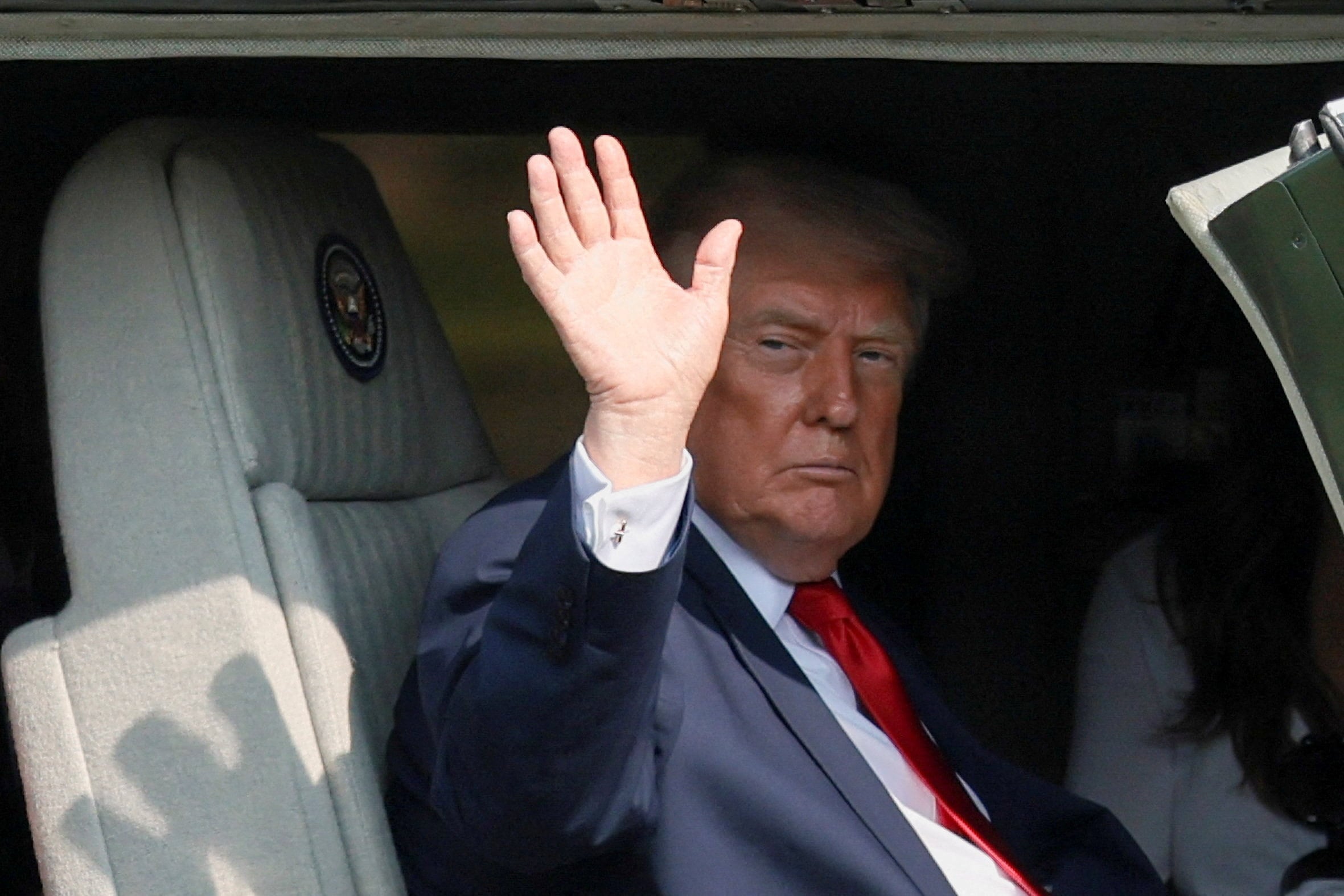
Global stock markets are experiencing renewed uncertainty, erasing gains made following President Trump's announcement of a ceasefire. The oil market has seen a significant rebound, coupled with fresh threats concerning the Strait of Hormuz. These developments have reignited concerns about persistent inflation, dampening the positive momentum that had characterized the June rally. Investors are now reassessing their positions amid these shifting geopolitical and economic landscapes. The initial optimism spurred by the ceasefire has been overshadowed by the resurgence of inflationary pressures and heightened regional tensions. This has led to a cautious sentiment across major financial exchanges, as traders digest the potential impact on global supply chains and economic stability. The market's reaction underscores the delicate balance between geopolitical de-escalation and underlying economic fragilities.
The market's swift reversal from optimism to caution highlights the sensitivity of financial systems to geopolitical signals and underlying economic pressures. While a de-escalation in conflict can initially boost sentiment, the persistence of inflationary concerns and regional instability, as evidenced by oil price volatility and Strait of Hormuz threats, demonstrates the complex interplay of factors influencing market stability. This event underscores the challenge for policymakers and investors in navigating an environment where short-term geopolitical relief can be quickly overshadowed by longer-term economic fundamentals. The next decade will likely see increased volatility as markets grapple with the dual forces of technological disruption and geopolitical realignment, demanding more resilient and adaptable economic frameworks.
AI-generated to prompt reflection — not editorial opinion, not advice, not a statement of fact. How this works.