Mars Dust Storms Pose Electrical Threats to Space Exploration
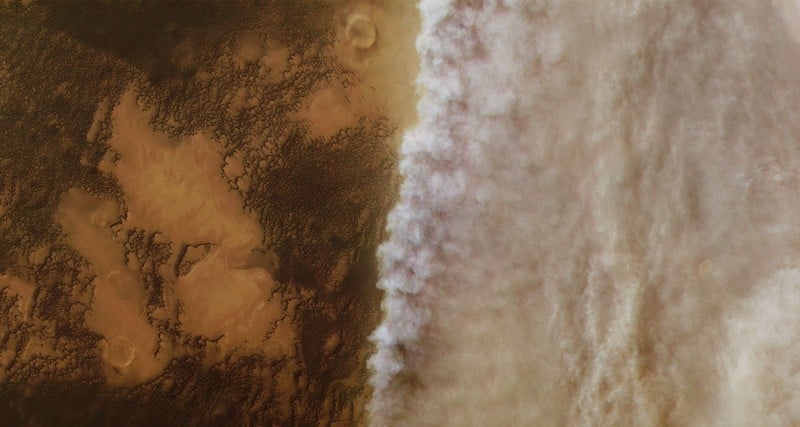
Martian dust storms, a phenomenon also observed on Earth and Saturn's moon Titan, present unique challenges for future space exploration. Unlike storms on other celestial bodies, Martian global dust storms have the capacity to engulf the entire planet, rendering the surface invisible and blocking sunlight. This obscuration alone is a significant concern for both robotic and potential human missions. However, recent scientific inquiry suggests that the impact of these storms may extend beyond mere visual obstruction and sunlight blockage. The electrical properties of these planet-wide dust events are now being considered as a potential additional threat to the sensitive equipment and infrastructure required for sustained exploration on the Martian surface.
The electrical dimension of Martian dust storms introduces a new layer of complexity to mission planning, moving beyond the previously understood challenges of visibility and power generation. Future exploration efforts must account for potential electromagnetic interference or electrostatic discharge risks that could affect sensitive electronics. Understanding the atmospheric electrical dynamics of Mars is crucial for developing robust hardware and operational protocols. This necessitates further research into the charge separation mechanisms within dust particles and their collective behavior during global events, potentially influencing the design of landing sites, power systems, and communication arrays for long-term human presence.
AI-generated to prompt reflection — not editorial opinion, not advice, not a statement of fact. How this works.