Mars rover's instruments tested, showing promise for detecting ancient life signs
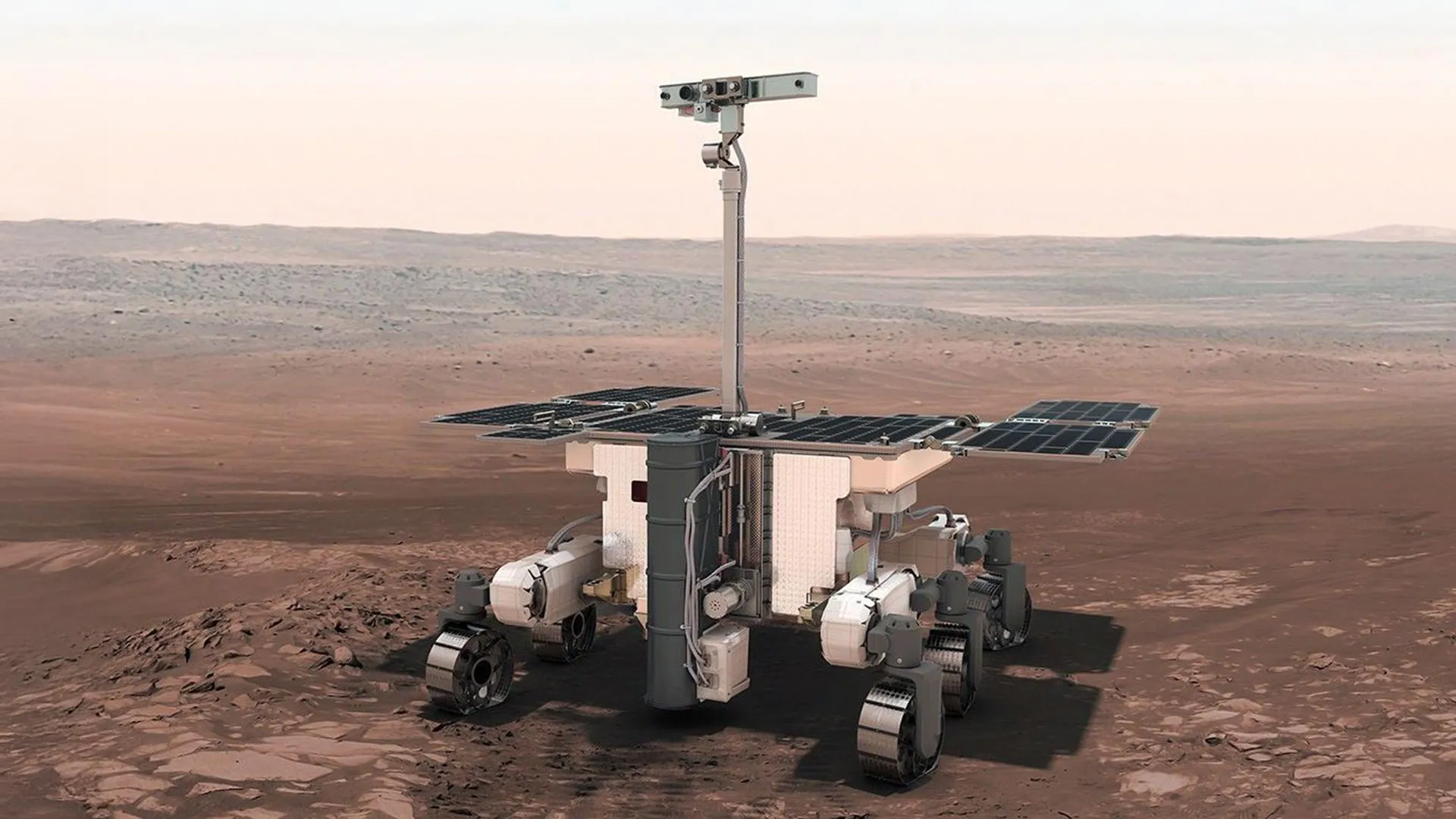
The search for evidence of past life on Mars has undergone a crucial test run with the Rosalind Franklin rover's advanced instruments. Scientists have confirmed that these sophisticated tools can distinguish between two stable molecules that might preserve signs of ancient life for billions of years. This capability is vital for the rover's mission to explore the Martian surface. However, the testing also revealed an unexpected challenge. Organic molecules found within the Murchison meteorite showed signs of contamination. This contamination appears to have originated from fossil fuel pollution encountered as the meteorite traveled through Earth's atmosphere. The discovery highlights the complexities of identifying pristine organic material and the potential for terrestrial interference in extraterrestrial samples.
The successful demonstration of the Rosalind Franklin rover's instruments marks a significant step in astrobiology, offering a refined method for detecting biosignatures on Mars. The challenge posed by terrestrial contamination, as observed with the Murchison meteorite, underscores the critical need for rigorous sample handling protocols and advanced analytical techniques to differentiate between indigenous Martian organics and Earth-derived pollutants. Future missions must account for this potential interference, possibly by employing in-situ calibration or more sophisticated filtering mechanisms. This development prompts consideration of the long-term implications for planetary protection and the scientific integrity of extraterrestrial sample return missions, particularly in an era where distinguishing life's origins becomes increasingly central to our understanding of the universe.
AI-generated to prompt reflection — not editorial opinion, not advice, not a statement of fact. How this works.