Martin Slivka: From Communist Mines to Global Cinematic Acclaim
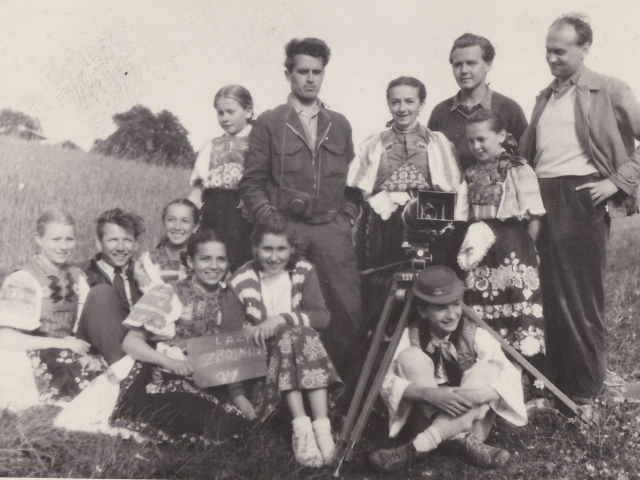
Martin Slivka, a filmmaker of international renown, was born in Spišské Štiavnice and passed away in 2002. He was known for his statement that after half a century of filmmaking, he knew half of Slovakia and was on familiar terms with the other half. Slivka played a pivotal role in shaping the careers of the first generation of male filmmakers and cinematographers in Slovakia. Despite facing adversity, including being sent to work in mines by the Communist regime, his films garnered admiration worldwide. His extensive career spanned decades, leaving a significant legacy in Slovak cinema.
Martin Slivka's life story highlights the resilience of artistic expression against political oppression. The Communist regime's attempt to suppress his talent by sending him to mines underscores the historical tension between state control and individual creativity. His eventual global recognition suggests that artistic merit can transcend ideological boundaries, though often at a significant personal cost. This narrative prompts reflection on how societal systems can both stifle and, through the perseverance of individuals like Slivka, ultimately be challenged by enduring cultural contributions. The long-term impact of such figures on national identity and cultural heritage merits consideration in the context of evolving geopolitical landscapes.
AI-generated to prompt reflection — not editorial opinion, not advice, not a statement of fact. How this works.