Mass brawl erupts at Regional Games match in Tupã, Brazil
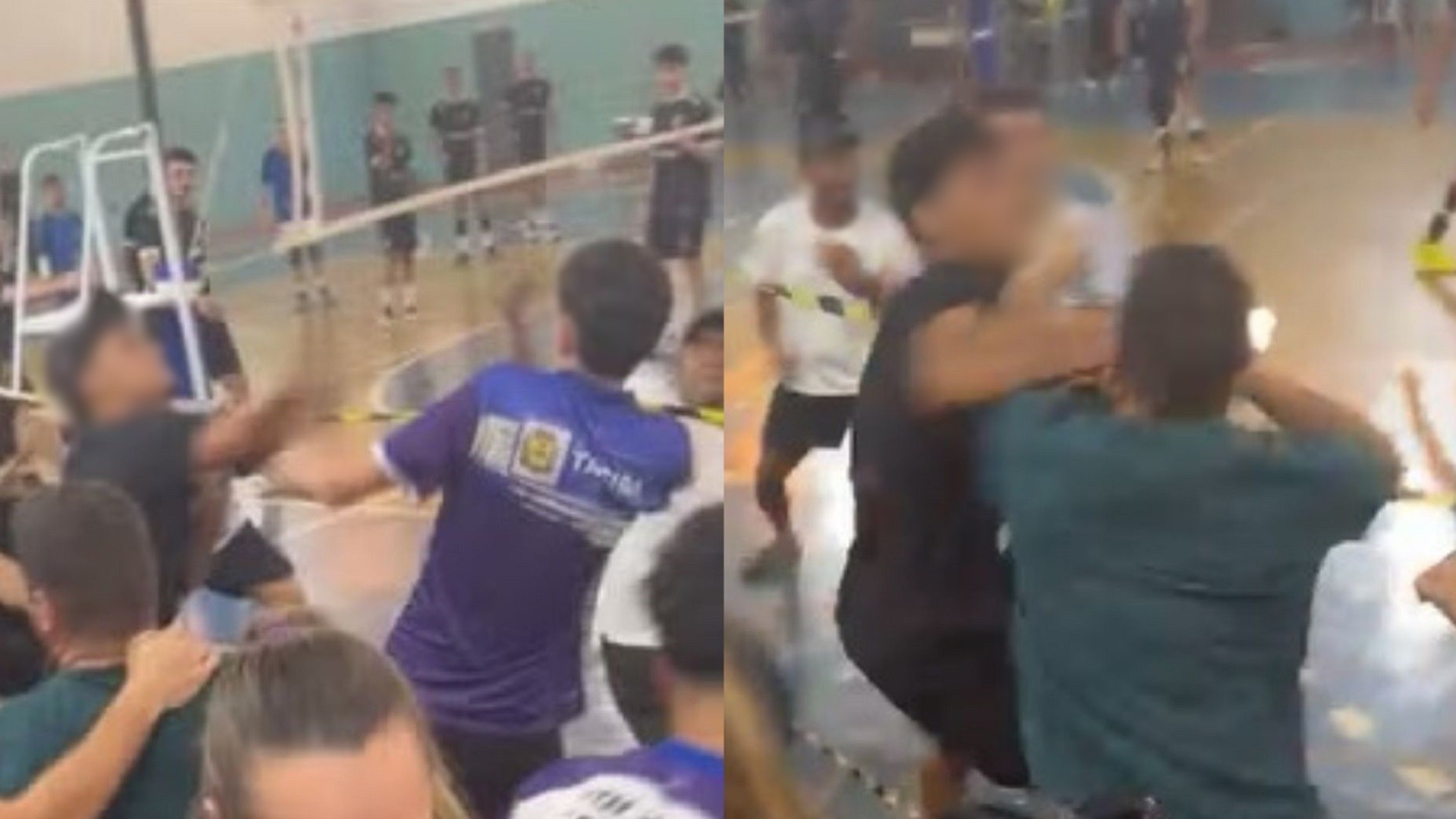
A large-scale fight broke out on Monday, October 20th, during the 68th edition of the Regional Games in Tupã, São Paulo, Brazil. The altercation involved members of the delegations from Taciba and Santa Cruz do Rio Pardo. Videos captured by spectators show punches and kicks exchanged between athletes, coaching staff, and attendees during a volleyball match. The Municipality of Tupã issued a statement regretting the incident and confirming that security forces were deployed to restore order and ensure the safety of all present. According to Adriano Campanha, the Sports Secretary for Santa Cruz do Rio Pardo, the conflict originated from a sports tribunal ruling earlier that day. The Sports Court had accepted an appeal filed by Santa Cruz against the Taciba volleyball team. Campanha stated that after the hearing, he and his assistant were allegedly intimidated by athletes and coaching staff from the rival team, who then indicated they would attend the Santa Cruz match. The Military Police were initially called to the athletes' accommodation due to these threats. However, during the afternoon game, after the police departed, the Taciba group proceeded to the gymnasium. Campanha claims that when he asked the group to leave as they were not part of that specific match, tensions escalated, leading to the widespread brawl involving athletes and officials from both delegations. The Taciba Municipality had not responded to requests for comment at the time of reporting. The Sports Secretary of Santa Cruz do Rio Pardo condemned the violence, emphasizing that sports should be a space for inclusion, respect, and coexistence.
This incident highlights the intense competitive pressures and potential for inter-group conflict that can arise in organized sporting events, particularly at regional levels where stakes may be amplified by local pride. The sequence of events, starting with a judicial ruling and escalating to physical confrontation, suggests a breakdown in sportsmanship and dispute resolution mechanisms. It underscores the critical role of event organizers and security personnel in managing crowd dynamics and de-escalating tensions, especially when prior threats or intimidation have been reported. Moving forward, robust protocols for addressing grievances, ensuring fair play, and maintaining a secure environment are essential to prevent recurrence and uphold the integrity of athletic competition. The failure of one party to respond to inquiries also points to potential challenges in accountability and transparency within such events.
AI-generated to prompt reflection — not editorial opinion, not advice, not a statement of fact. How this works.