Massachusetts EV Owners Can Now Sell Excess Power Back to the Grid
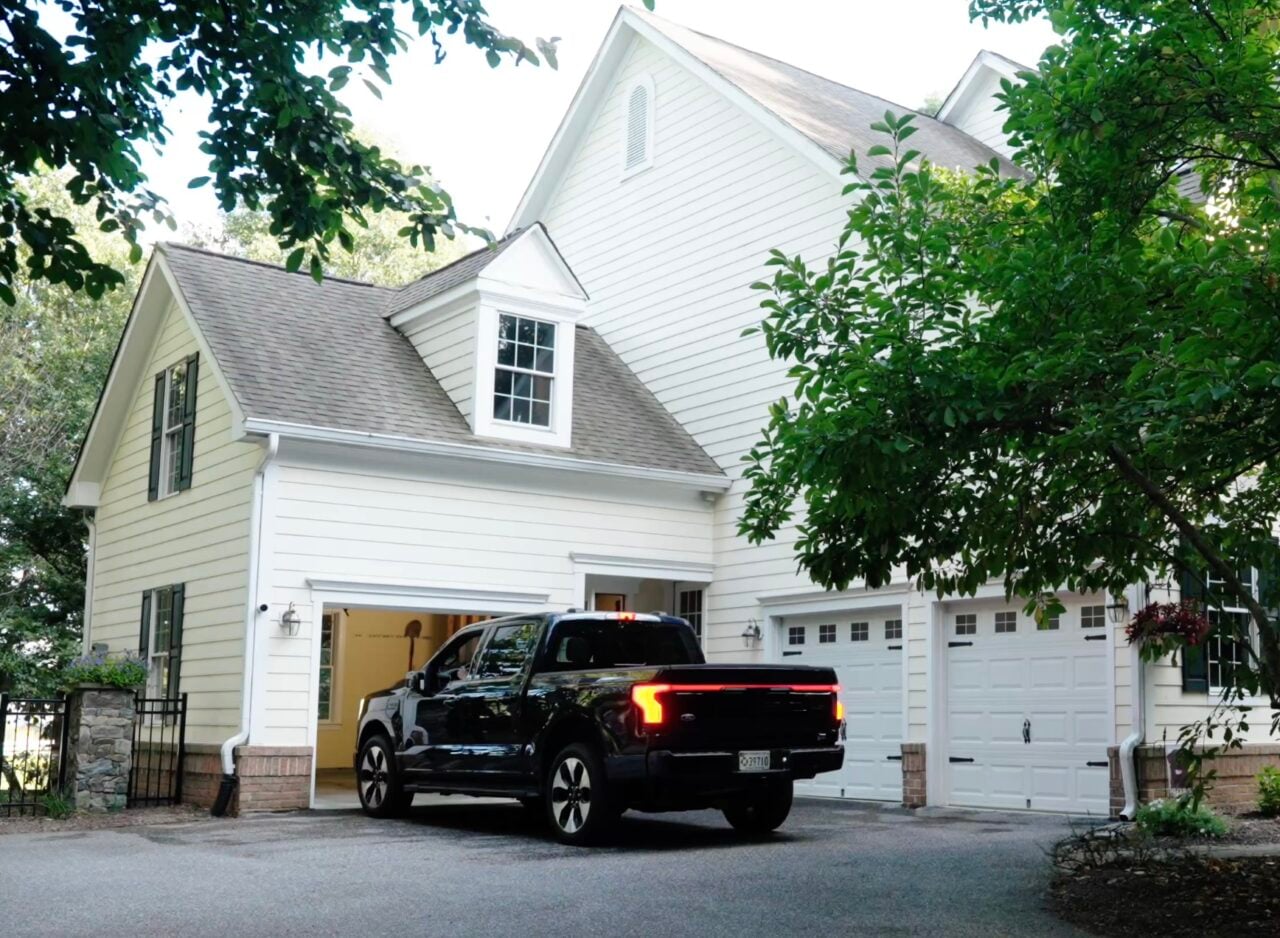
Massachusetts has launched a new program allowing electric vehicle (EV) owners to sell surplus energy stored in their car batteries back to the state's power grid. This initiative, known as the "Vehicle-to-Grid" (V2G) program, aims to leverage EV batteries as a distributed energy resource. Participants can earn credits or payments for the electricity they supply, helping to stabilize the grid and integrate more renewable energy sources. The program is being piloted by the Massachusetts Department of Energy Resources (DOER) in collaboration with local utilities and EV manufacturers. Initially, the pilot will focus on a limited number of participants to test the technology and market mechanisms. The goal is to create a scalable model that can be expanded statewide in the future. This program represents a significant step towards a more flexible and resilient energy infrastructure, where EVs play a dual role as transportation and energy storage devices. It also offers a potential new revenue stream for EV owners, incentivizing wider adoption of electric vehicles.
The Massachusetts V2G program represents a forward-thinking approach to grid management and EV integration. By treating EV batteries as distributed energy assets, the state is exploring innovative ways to balance supply and demand, particularly with the intermittent nature of renewables. This system could alleviate strain on the grid during peak hours and potentially reduce the need for expensive peaker plants. However, the success of such programs hinges on several factors: the development of robust and standardized V2G hardware and software, clear economic incentives for both consumers and utilities, and ensuring grid stability and cybersecurity. Over the next decade, as EV penetration increases, these distributed energy resources could become a critical component of grid resilience, but careful planning and regulatory frameworks will be essential to unlock their full potential without compromising grid reliability or consumer protection.
AI-generated to prompt reflection — not editorial opinion, not advice, not a statement of fact. How this works.