Massive Attack Banned from Singapore for Pro-Palestine Display During Concert
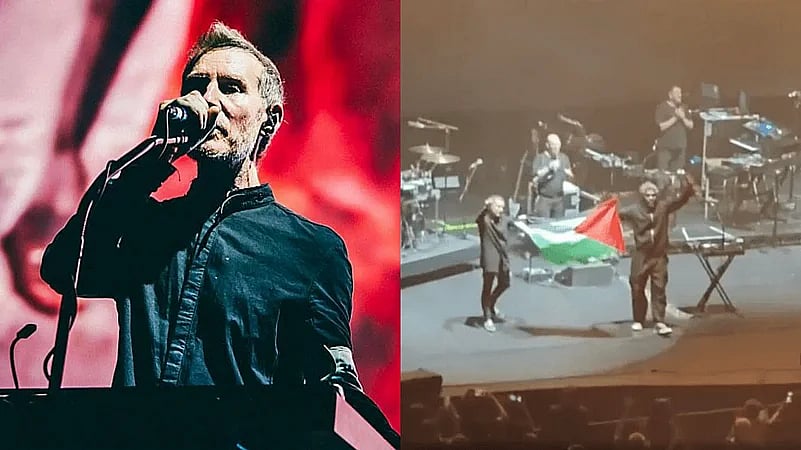
British band Massive Attack has been banned from performing in Singapore and will be barred from future concerts in the country. The decision by Singaporean authorities stems from the band's display of a Palestinian flag and chanting of 'Free Palestine' slogans during a recent concert. Two members of the band raised the flag on stage and led the chants, with a portion of the audience joining in, according to officials. Following an investigation, Singapore police issued a stern warning to the two band members. The country's media regulator stated that no future concert applications from Massive Attack will be approved. Singapore has strict laws regarding political speech and demonstrations in public spaces, which the government maintains are necessary to preserve social harmony among its diverse population. Police confirmed that the band members were investigated for potential violations of the Foreign National Emblems (Control of Display) Act of 1949 and the Public Order Act, which prohibit the public display of foreign flags without special circumstances and impose strict rules on political gatherings, respectively. A police spokesperson emphasized that any actions potentially undermining Singapore's racial and religious harmony are taken very seriously, and external conflicts should not be allowed to impact their society. Massive Attack, known for their pioneering trip-hop sound and vocal stance on international political issues like the Gaza conflict, is currently on a world tour. Band member Robert Del Naja was previously arrested at a pro-Palestine demonstration in London earlier this year. The band has not yet commented on the Singapore ban. Singapore had previously urged the public to refrain from displaying war-related symbols or foreign flags following the start of the Israel-Gaza war in 2023 and has taken action against pro-Palestine gatherings.
The Singaporean government's swift ban on Massive Attack highlights the nation's stringent approach to maintaining social cohesion and preventing the importation of foreign political conflicts into its multi-ethnic society. This policy reflects a broader strategy of tightly controlling public discourse to avoid exacerbating internal sensitivities, particularly concerning religious and racial harmony. While understandable from a domestic stability perspective, such measures raise questions about the balance between national security and freedom of expression, especially for international artists whose work often engages with global issues. The incident underscores the potential friction between artistic activism and state regulations designed to insulate the local populace from external geopolitical tensions. Future implications may involve artists self-censoring or choosing different venues to avoid similar restrictions, potentially impacting cultural exchange.
AI-generated to prompt reflection — not editorial opinion, not advice, not a statement of fact. How this works.