Massive Attack Members Barred from Singapore After Pro-Palestine Protest
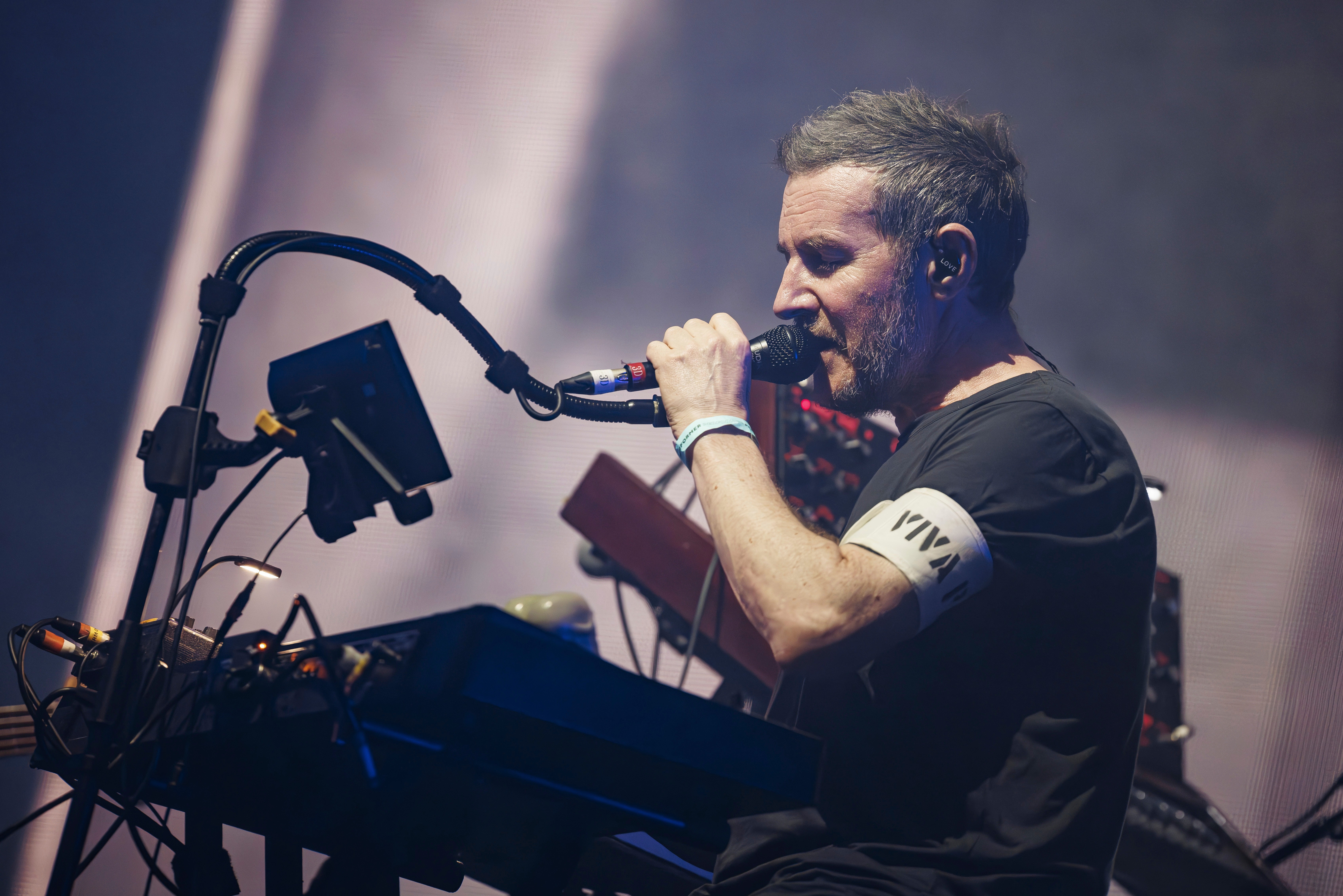
Singapore has banned two prominent members of the British band Massive Attack from entering the country following a pro-Palestinian demonstration during their concert on July 29. Police investigated the musicians for displaying a Palestinian flag and for one member shouting "Free Palestine" on stage. Authorities issued formal warnings and added the individuals to a list preventing their return to Singapore. The police stated that actions potentially harming racial and religious harmony are taken seriously, urging foreigners to avoid importing foreign political issues that could compromise social cohesion. While the police did not name the musicians, local media identified them as Robert "3D" Del Naja and Grant "Daddy G" Marshall. Massive Attack expressed surprise and disappointment in an Instagram statement, noting that the audience spontaneously chanted "Free Palestine" before and after the show. The band stated they did not believe displaying a recognized sovereign state's flag would violate laws and expressed pride in their "spontaneous demonstration" of solidarity with the Palestinian cause. They urged the Singaporean government to allow citizens to express their conscience without fear of state persecution. The band also detailed their detention, separation, and temporary passport confiscation by police after the show.
Singapore's decision to ban musicians for political expression highlights the nation's stringent approach to maintaining social order and its policy of preventing the importation of foreign conflicts. While the government frames this as protecting racial and religious harmony, the action raises questions about the boundaries of free expression, particularly when concerning widely recognized international issues. The band's perspective emphasizes solidarity and the right to conscience, suggesting that global inaction on humanitarian concerns compels individuals to take risks. This incident underscores a broader tension between state control over public discourse and the increasing global connectivity that facilitates the expression of political solidarity, even in contexts where it may challenge established norms or laws. The long-term implications involve how nations balance national identity and security with the universal principles of human rights and freedom of speech in an increasingly interconnected world.
AI-generated to prompt reflection — not editorial opinion, not advice, not a statement of fact. How this works.
