Massive Crowds Mourn Ali Khamenei in Iran, Chanting 'Death to Trump'
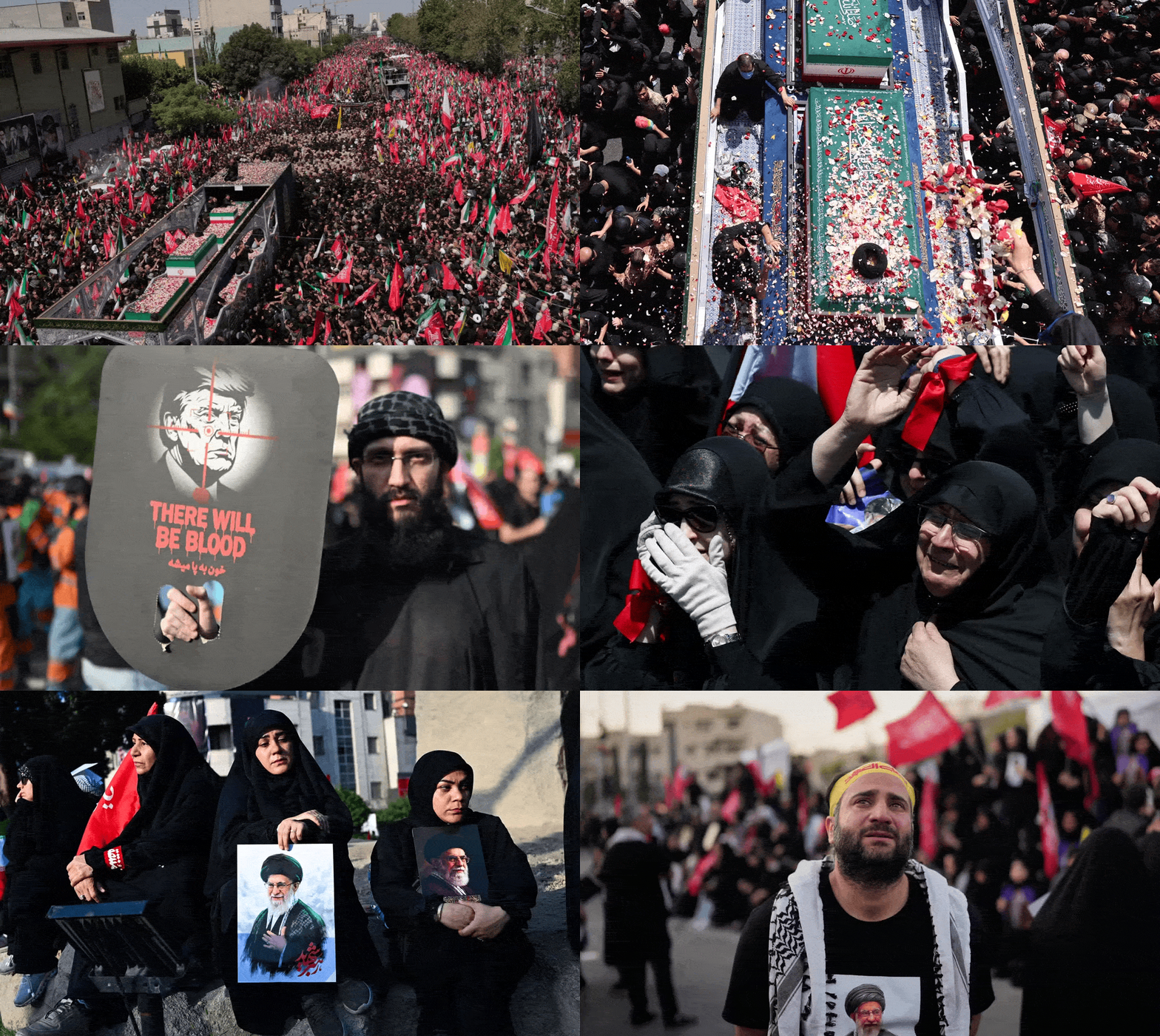
Thousands of Iranians, dressed in black, filled the streets of Tehran on Monday, May 6th, for a procession honoring the late Supreme Leader, Ayatollah Ali Khamenei. The massive turnout, encouraged by the Iranian theocracy as a display of strength, occurred as the nation negotiates with the U.S. to end the war that claimed the 86-year-old cleric's life. Attendees carried signs and chanted slogans calling for the death of U.S. President Donald Trump, whom they hold responsible for Khamenei's death. Khamenei died on February 28, 2026, at age 86, following a joint airstrike by the United States and Israel, which also killed his daughter, son-in-law, a daughter-in-law, and a grandson. State television showed an immense crowd stretching for miles, appearing larger than the 2020 procession for General Qassem Soleimani, which drew over a million people. Participants expressed a desire for revenge, with one attendee stating, "We are not here to say goodbye to him, we are here to take revenge." The coffins, draped with the Iranian flag, were on a truck decorated to resemble a shrine's grille. Authorities urged the crowd to move slowly and stay to the sides due to safety concerns. The 12-hour journey will end at Mehrabad International Airport, with the procession having begun on Saturday, May 4th, and concluding on Thursday, May 9th, with burial in his hometown of Mashhad. Mourners also called for the assassination of Israeli Prime Minister Benjamin Netanyahu, with some posters depicting Trump being hanged. The U.S. has monitored Iranian threats against its officials since the 2020 assassination of Soleimani, though Iran denies planning to kill Trump.
The funeral procession for Ayatollah Ali Khamenei highlights the potent role of state-sponsored public mourning in consolidating political legitimacy and projecting national resolve. The overt calls for vengeance against U.S. and Israeli leaders, amplified by media coverage, serve to galvanize domestic sentiment and signal defiance on the international stage. This event underscores the enduring geopolitical tensions and the complex interplay between internal political messaging and external relations in the region. Looking ahead, such displays of public emotion and nationalistic fervor, particularly in response to perceived foreign aggression, could shape future diplomatic engagements and potentially influence regional stability dynamics in the coming decade.
AI-generated to prompt reflection — not editorial opinion, not advice, not a statement of fact. How this works.