Massive Fire Engulfs Chemical Plant in Itaquaquecetuba, Brazil
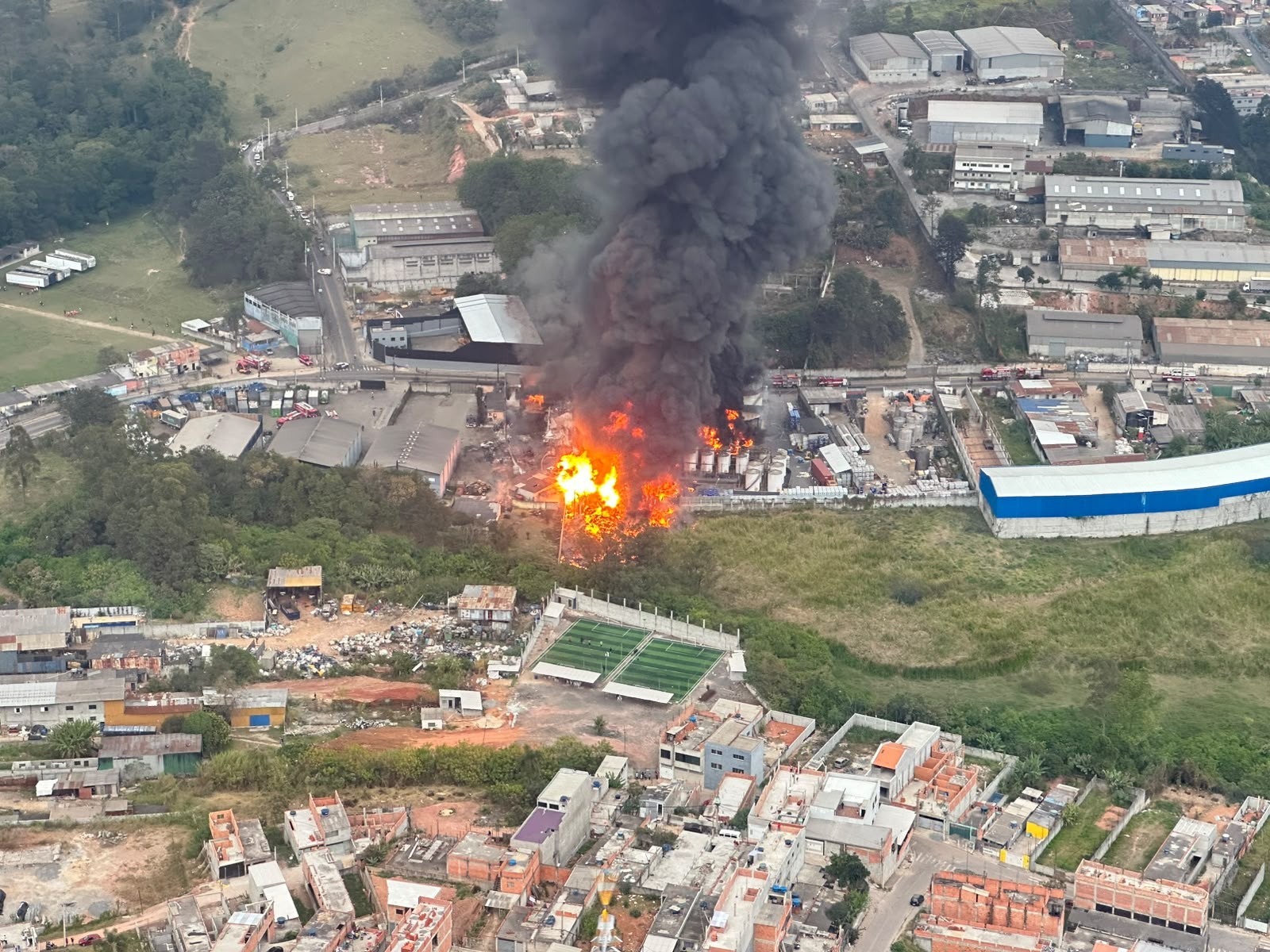
A large-scale fire broke out at a chemical industry in Itaquaquecetuba, located in the Greater São Paulo region of Brazil, on Tuesday afternoon, May 4th. The facility produces and sells solvents and polyester resins. As of the latest update, there were no reported injuries. Preliminary information indicated the plant had 24 solvent tanks, but the specific substances burning and whether any tanks were directly hit remained unknown.
The article explains that fires involving solvents can escalate quickly because many of these substances release flammable vapors. These vapors can form an ignitable mixture when exposed to a spark or heat source. The risk is influenced by the material's properties, storage quantity, and accident conditions. Solvents, used to dissolve or dilute other materials, often release vapors even at ambient temperatures. It's typically the vapors, not the liquid itself, that ignite when mixed with oxygen and an ignition source, leading to rapid flame spread.
The "flash point" is a key metric, representing the lowest temperature at which a liquid emits enough vapor to create a flammable air mixture. Lower flash points indicate easier ignition. Brazilian regulation NR-20 defines flammable liquids as those with a flash point of 60°C or below. Polyester resins can contain styrene, a volatile liquid that releases flammable vapors heavier than air, posing a risk of spreading to ignition sources. Heat can accelerate chemical reactions within products, potentially causing rapid overheating and fire, especially in large quantities or without temperature control, according to studies. Combating such fires is challenging, requiring specific strategies. Water may cool surrounding areas but can spread certain burning liquids. Special foams are often used to suppress vapors and limit oxygen contact, with foam type depending on the solvent. Firefighting authorities recommend fighting large fires from a distance while cooling exposed containers.
The incident highlights systemic risks associated with the storage and handling of flammable industrial chemicals. The rapid escalation of the fire underscores the importance of robust safety protocols, including comprehensive risk assessments for vapor ignition, effective containment systems for volatile substances like styrene, and precise emergency response strategies tailored to specific chemical hazards. Regulatory frameworks like Brazil's NR-20 are crucial, but their enforcement and the industry's adherence to best practices, particularly concerning temperature control during exothermic processes like resin curing, are paramount. Future considerations should include advancements in fire suppression technology for complex chemical fires and improved urban planning to mitigate the impact of industrial accidents on surrounding communities, recognizing the increasing density of industrial zones near populated areas.
AI-generated to prompt reflection — not editorial opinion, not advice, not a statement of fact. How this works.
