Massive July 4 Fireworks Display in Washington Sparks Health Concerns
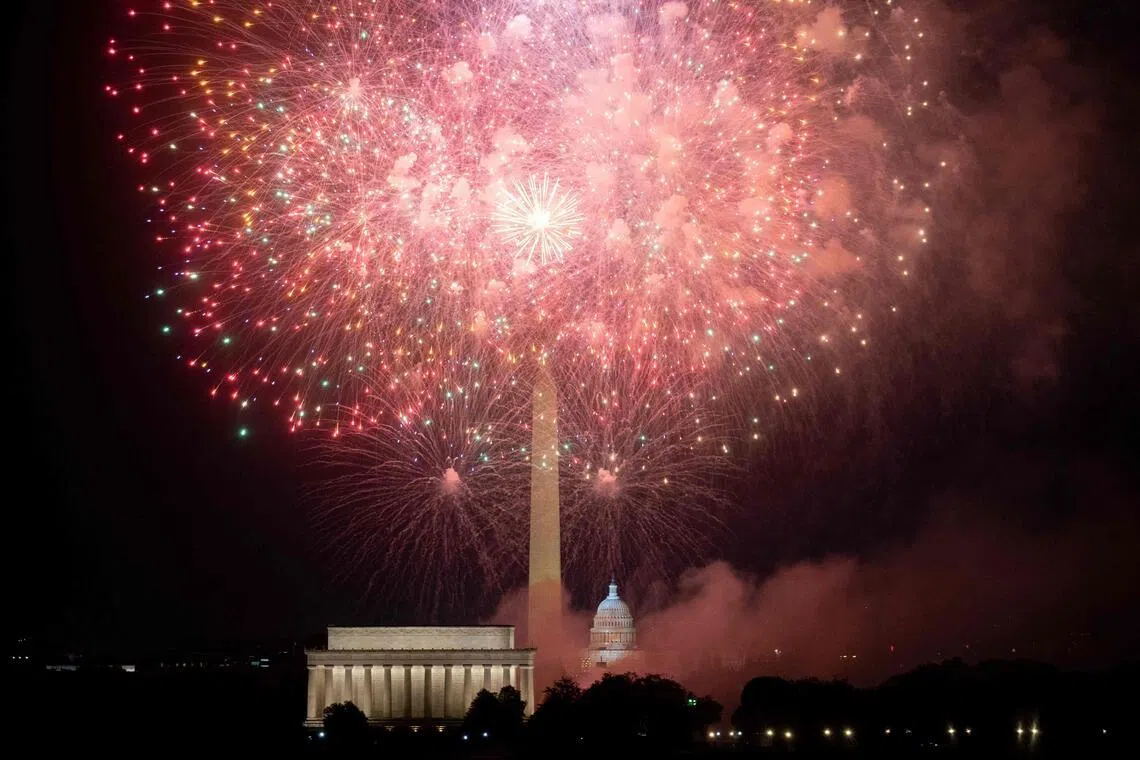
Washington D.C. is gearing up to host what is expected to be the world's largest fireworks display on July 4th. The event, organized under the Trump administration, has raised significant health alarms among environmental and public health advocates. Concerns primarily revolve around the potential air quality impacts of such an extensive pyrotechnic exhibition. The sheer scale of the planned fireworks display is unprecedented, aiming to break existing records for the largest show of its kind globally. Officials are preparing for a massive pyrotechnic event, but critics are highlighting the potential negative consequences for residents' health. The specific details regarding the amount of pyrotechnics to be used and the duration of the display have not been fully disclosed, but the anticipation is for a record-breaking spectacle. The health alarms are tied to the particulate matter and chemical pollutants released into the atmosphere during and after the fireworks. This massive celebration is set to take place on Independence Day, a significant national holiday.
The planned record-breaking July 4th fireworks display presents a complex interplay between national celebration and public health considerations. While pyrotechnic events are a traditional part of holiday festivities, the proposed scale necessitates a thorough assessment of environmental impact, particularly concerning air quality and particulate matter. Future planning for large-scale public events may benefit from integrating advanced environmental monitoring and mitigation strategies to balance celebratory desires with public well-being. The long-term implications of such emissions on urban air quality and respiratory health warrant careful consideration, especially as cities globally grapple with air pollution challenges.
AI-generated to prompt reflection — not editorial opinion, not advice, not a statement of fact. How this works.